Gaps, bent sections, and weak points in commercial chain link security fencing are localized signs of ongoing wear that directly affect perimeter reliability, access control, and long-term maintenance costs. Understanding how these issues develop through normal use, impact, and environmental exposure is the first step toward determining whether targeted repair, partial section work, or full replacement is the appropriate scope for a given site.
For commercial properties in Reno and Northern Nevada, where snow load, freeze-thaw cycles, and wind exposure are constant factors, recognizing these conditions early and responding with the right level of intervention keeps perimeter systems functional and aligned with operational requirements. A1 Fence LV works with general contractors, property managers, and developers across Northern Nevada on fence and gate repair projects where these conditions are common.
How Gaps, Bent Sections, and Weak Points Develop in Commercial Chain Link Systems
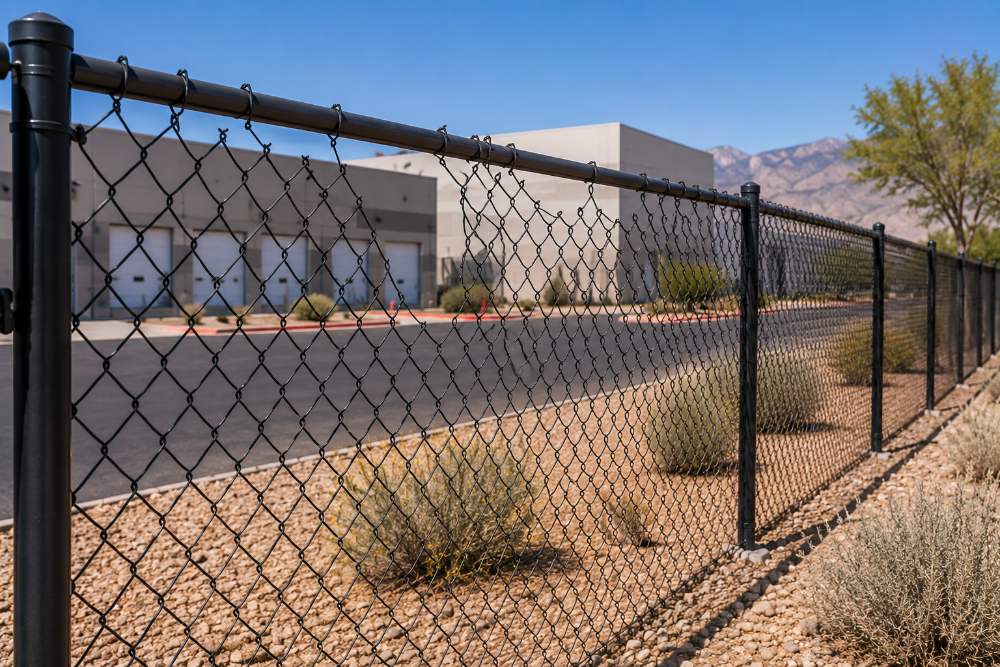
Chain link security fencing functions as an integrated system where posts, rails, fabric, and hardware work together to form a continuous boundary. When any of these components shifts, deforms, or degrades, the result is typically a localized failure that affects the overall integrity of the perimeter.
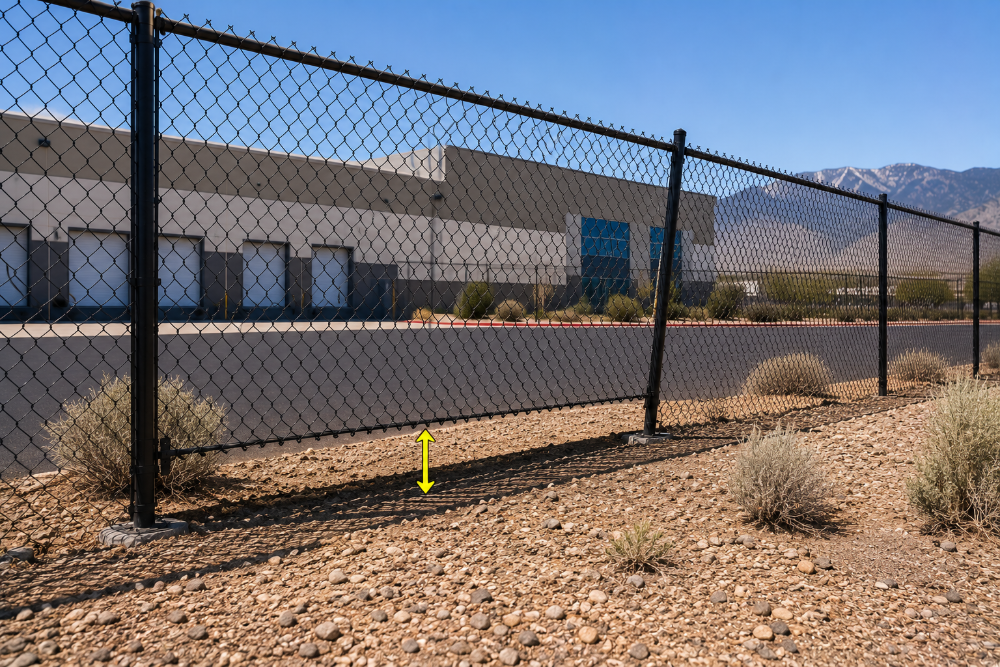
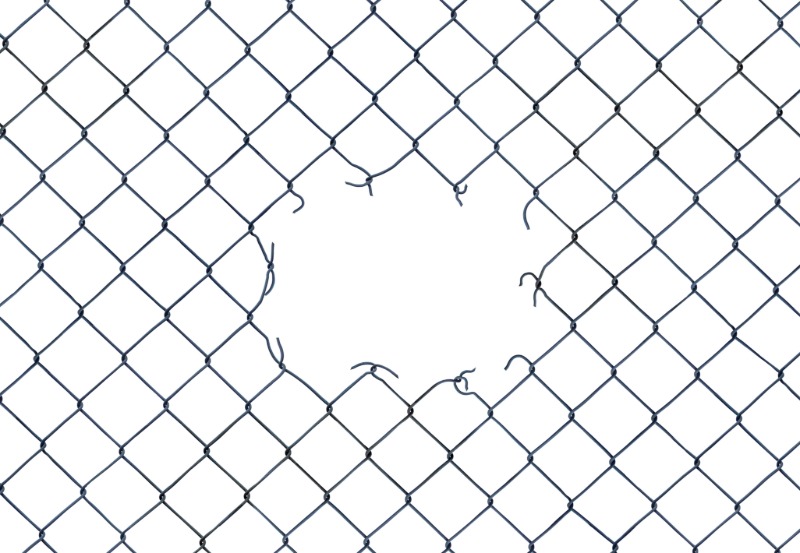
Gaps form when the chain link fabric loses contact with the ground or framework. This happens through soil settlement, erosion at post bases, or movement caused by freeze-thaw cycles that shift footings over time. Vehicle traffic near fence lines can compact or displace soil, creating openings at the base that widen with continued use.
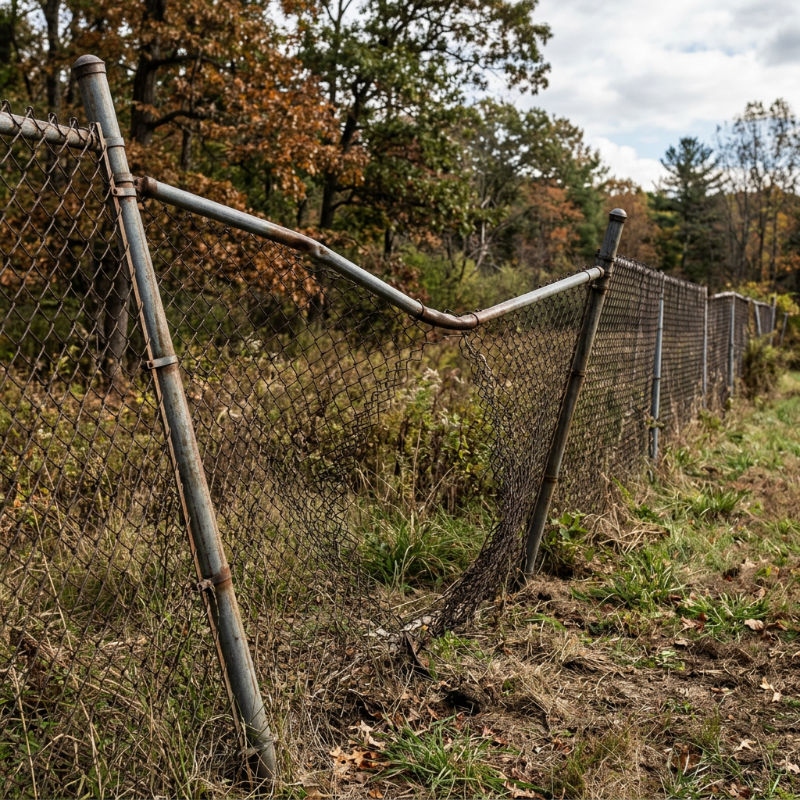
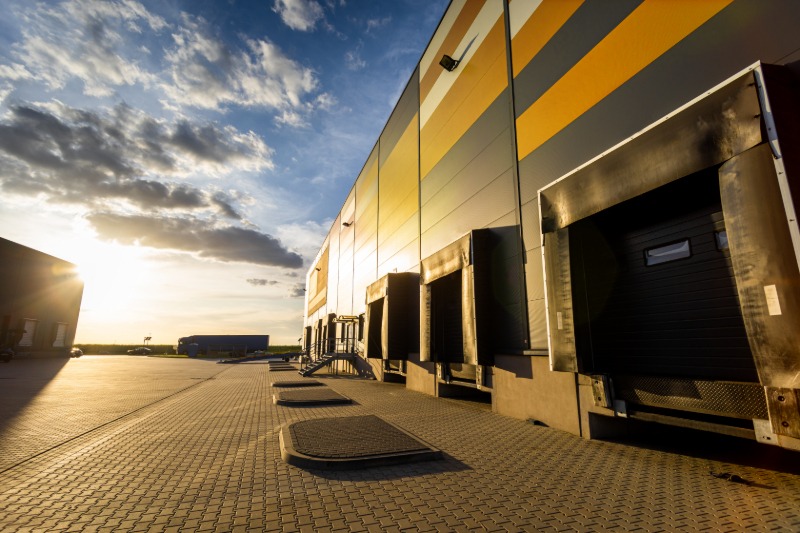
Bent sections result from impact and loading on posts and rails. On commercial sites, this commonly occurs near drive entries, loading docks, and equipment staging areas where forklifts, trucks, and service vehicles operate in close proximity to the perimeter. A single impact can deform a top rail or lean a post, and repeated contact in the same area accelerates the damage.
Weak points emerge where corrosion, broken wires, or loose ties reduce structural capacity. Galvanized steel resists rust and corrosion under normal conditions, but mechanical damage to the coating, cuts at wire ends, and prolonged moisture exposure at hardware and post bases can initiate degradation. Once corrosion takes hold at a specific location, that section becomes the first point of failure under wind load, snow accumulation, or additional impact.
The distinction between isolated damage and broader deterioration matters for planning. A single bent post near a loading area is a different condition than multiple weak points distributed across a long fence line. The former is a targeted repair. The latter may indicate a perimeter approaching the end of its practical service life.
How These Conditions Affect Commercial Perimeter Reliability and Risk
For general contractors, property managers, and facilities directors, the practical concern with gaps, bent sections, and weak points is what they mean for perimeter performance and liability exposure.
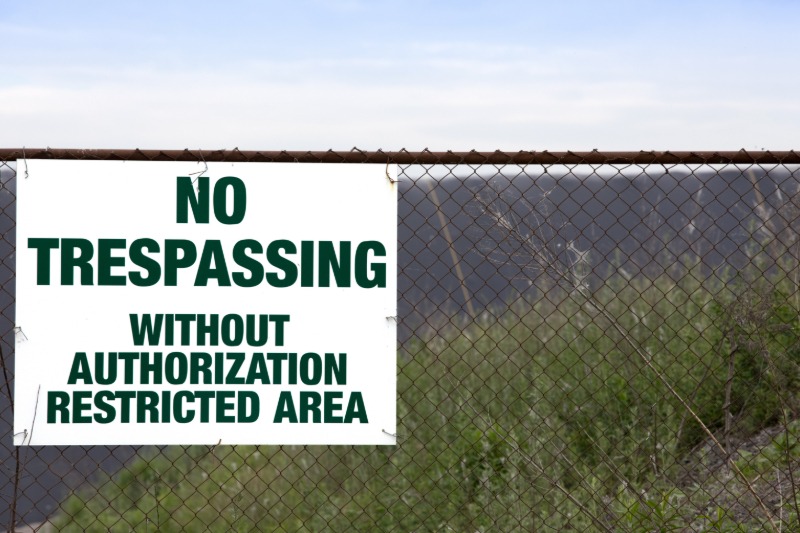
Gaps at the base of the fence or near posts create entry points for unauthorized access, wildlife intrusion, and material escape. On sites with inventory storage, equipment yards, or controlled access zones, even a small opening can compromise the boundary you are relying on for security and compliance. The gap itself may seem minor, but the risk it introduces is concentrated at that specific location.
Bent posts and rails affect the stability of the entire section they support. In taller chain link systems, which are common on industrial and high-security commercial sites, deformation in one area increases stress on adjacent components. A bent top rail loses its ability to maintain tension across the fabric, which allows sagging and creates additional weak points. Over time, this can lead to progressive failure where a single impact eventually affects multiple sections of the fence line.
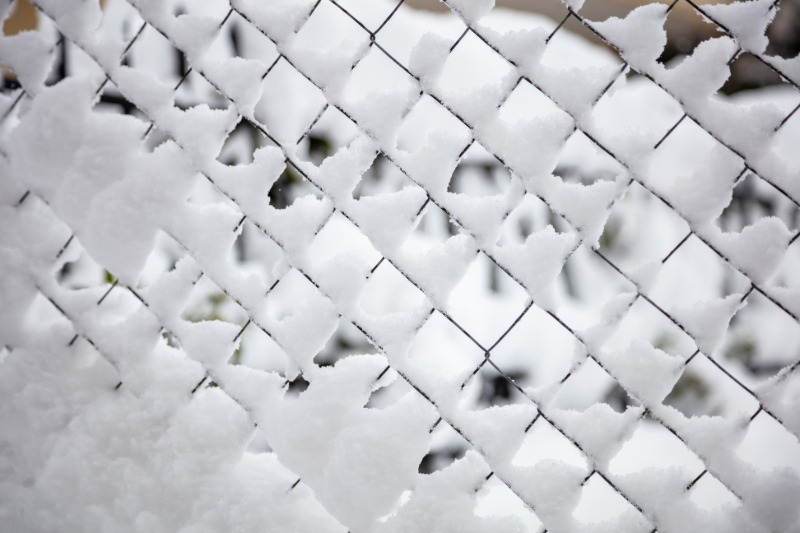
Loose fabric and broken ties reduce the ability of the system to resist wind and snow loads. In Northern Nevada, where seasonal storms bring sustained wind and heavy snowfall, a fence that has lost tension in several areas is more likely to sustain additional damage during weather events. What might have been a limited repair becomes a larger scope after a winter storm stresses sections that were already marginal.
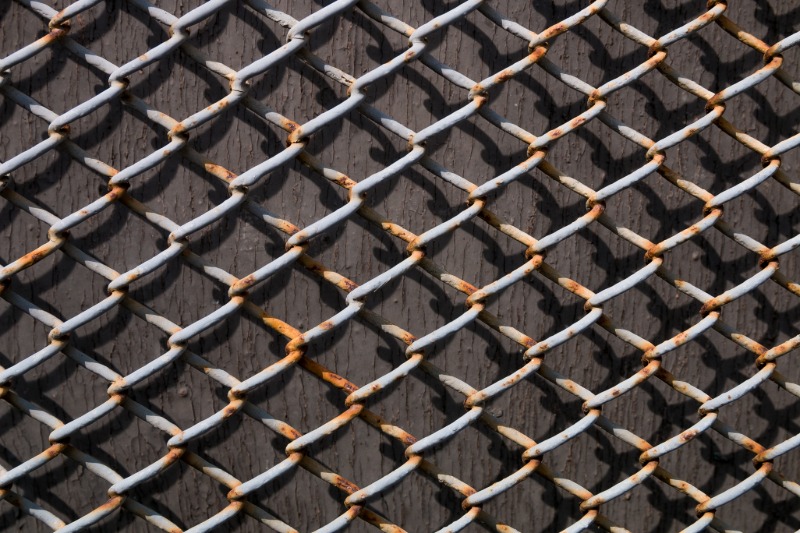
Corrosion at hardware and post bases represents a long-term reliability concern. Galvanized coatings slow the process, but they do not eliminate it. Once rust develops at tie wires, rail ends, or the base of a post, the affected components lose structural capacity. These are often the first elements to fail under load, and they can be difficult to detect during casual observation.
When Repair Becomes Replacement and How Scope Escalates
One of the most common planning questions around chain link security fencing is where the line falls between repair and replacement. The answer depends on the extent of damage, the condition of underlying components, and the operational requirements of the site.
Small repairs addressing limited gaps or isolated bent sections typically stay within lower cost ranges. Fixing a few broken wires, re-tensioning a section of fabric, or straightening a single bent post is standard maintenance work that can be completed without major disruption to site operations.
Partial repairs involving multiple sections or more complex damage move into a different scope. When gaps appear in several locations, when bent rails span more than one post interval, or when corrosion is visible across a stretch of the fence line, the repair effort begins to approach the budget and coordination requirements of a new installation.
A common planning guideline is that once a repair project requires addressing roughly 20 percent or more of the fence, full replacement often becomes more practical. This is not a hard rule, but it reflects the reality that repeatedly patching widespread weak points may not restore the same performance as a properly designed and installed new system. On older fences where posts, footings, and hardware have aged alongside the fabric, cumulative repair costs can exceed replacement costs without delivering equivalent long-term reliability.
For commercial stakeholders managing budgets and timelines, this distinction matters. Small repairs are operational maintenance. Partial repairs require coordination and may affect site access. Full replacement is a capital project with different approval and scheduling requirements.
Common Misunderstandings About Chain Link Fence Maintenance
Several misconceptions complicate how commercial stakeholders approach gaps, bent sections, and weak points in chain link security fencing.
The first is treating chain link as a system that requires no ongoing attention once installed. Galvanized steel is durable and corrosion-resistant, but it is not maintenance-free. Routine issues such as broken wires, loose fabric, and hardware degradation are expected in real-world use. Addressing them early keeps the perimeter functional and prevents small problems from escalating.
The second is assuming that bent sections are primarily cosmetic. On security fencing, deformation is a structural issue. A bent post or rail affects tension across the fabric, creates gaps, and reduces the capacity of the system to resist wind and impact. What looks like minor damage may be compromising the boundary you are relying on for access control.
The third is expecting that any damage can always be patched without considering cumulative effects. Repair cost ranges and planning guidelines exist because fence condition exists on a spectrum. A fence with isolated damage in one or two locations is a different condition than a fence with widespread weak points across its length. The former can be repaired economically. The latter may be a better candidate for replacement.
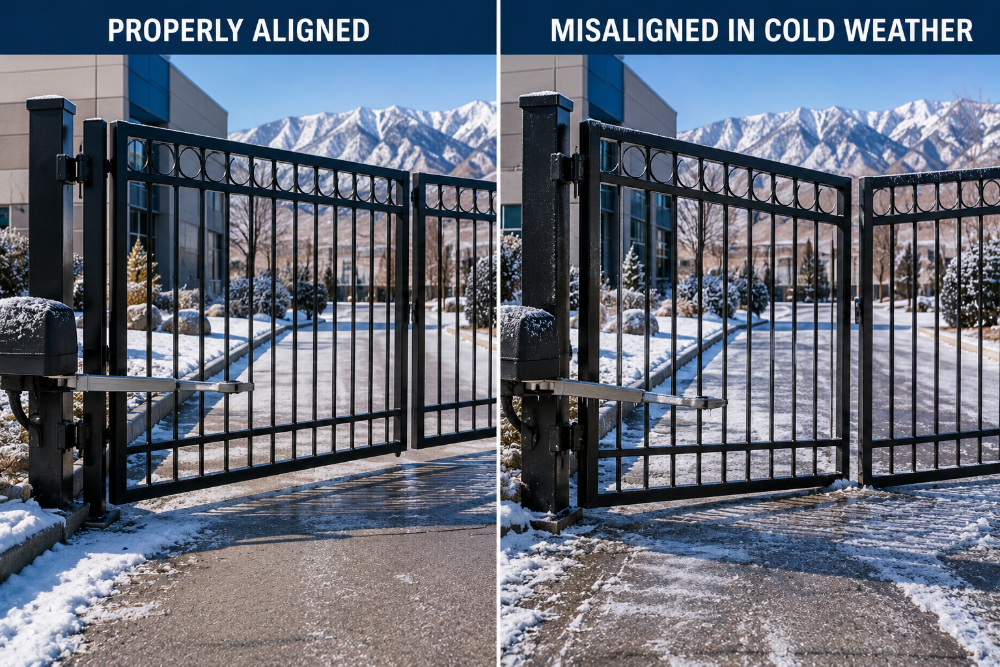
The fourth is confusion around what “repair” includes. General fence repair typically addresses visible damage to wires, fabric, and hardware. It does not automatically address underlying issues such as footing movement, grade mismatch, or gate alignment unless those items are included in the scope. Clarifying what is and is not covered in a repair proposal avoids assumptions that lead to repeated service calls.
How to Approach Assessment and Next Steps on Commercial Sites
For property managers and general contractors evaluating chain link security fencing in Reno and surrounding areas, the practical starting point is a systematic walk of the perimeter with attention to specific locations.
Gates, corners, loading areas, and vehicle access points are where gaps and bent sections concentrate. These are high-use zones where impact, loading, and repeated stress occur most frequently. Documenting conditions at these locations provides a clearer picture of overall fence health than a general visual impression.
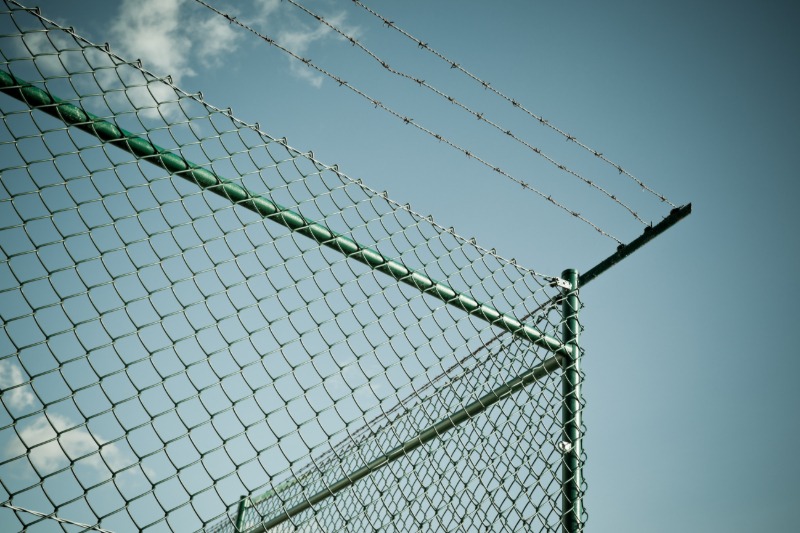
Post bases and hardware connections are where corrosion tends to develop first. Checking for rust at tie wires, rail ends, and the base of posts, especially where coatings may have been damaged, identifies weak points that may not be obvious from a distance.
Fabric tension and alignment indicate whether the system is still performing as designed. Loose or sagging fabric, visible gaps at the bottom of the fence, and sections that no longer align with adjacent panels are signs that ties have failed or posts have shifted.
The outcome of this assessment determines whether the scope is small repair, partial repair, or replacement consideration. For teams managing commercial properties or coordinating construction schedules, having this information before engaging a contractor allows for more accurate scoping and budget planning.
Working With an Experienced Contractor in Northern Nevada
Chain link security fencing remains a practical and widely used perimeter system for commercial properties because it balances cost, visibility, and scalability. Its real-world performance, however, is defined at the specific locations where gaps, deformation, and weak points occur. Those localized failures are not minor cosmetic issues. They are indicators of how the fence is aging, where risk is concentrated, and how repair scope escalates as more of the perimeter is affected.
For general contractors, developers, and property managers in Reno and Northern Nevada, working with a contractor who understands these conditions and can accurately assess repair versus replacement scope is part of maintaining a reliable perimeter system. A1 Fence LV, a family-owned Nevada fence company with more than 35 years of industry experience, works with commercial clients across Northern Nevada on fence and gate repair projects where snow, wind, and freeze-thaw cycles are ongoing factors in perimeter system performance.
If you are evaluating options for a current or upcoming project, you can request a quote online at https://a1fencelv.com/request-a-quote. For teams coordinating site plans or reviewing specifications, Lalo Flores can be reached at lalo@a1fencelv.com or 775-451-3328 to discuss scope and provide practical input.