There is no single fence height that works for every backyard in Reno. Most homeowners start by thinking about a standard six-foot privacy fence, but the right height depends on how close neighbors are, how your yard is used, and what actually needs to be blocked from view. For security, how solid and well-built the fence is matters just as much as how tall it stands.
A residential fence contractor familiar with Northern Nevada conditions will look at sightlines, local rules, and climate together when helping you think through height. Understanding these factors helps you make a practical decision that holds up over time. For homeowners exploring options, A1 Fence LV works with Reno residents on installations and repairs suited to local conditions.
Why Fence Height Feels Like a Bigger Decision Than It Should
Many homeowners feel exposed in their own backyard even with a fence already in place. The neighbor’s deck sits just high enough to see over, or a second-story window looks directly into your patio area. You might not know whether a taller fence will help, whether local rules allow it, or whether a different style makes more sense.
There is also the practical worry about kids playing outside, dogs running along the fence line, or valuables stored in plain view. A fence that feels too short or too open can make the yard feel less like a retreat and more like a shared space with everyone nearby.
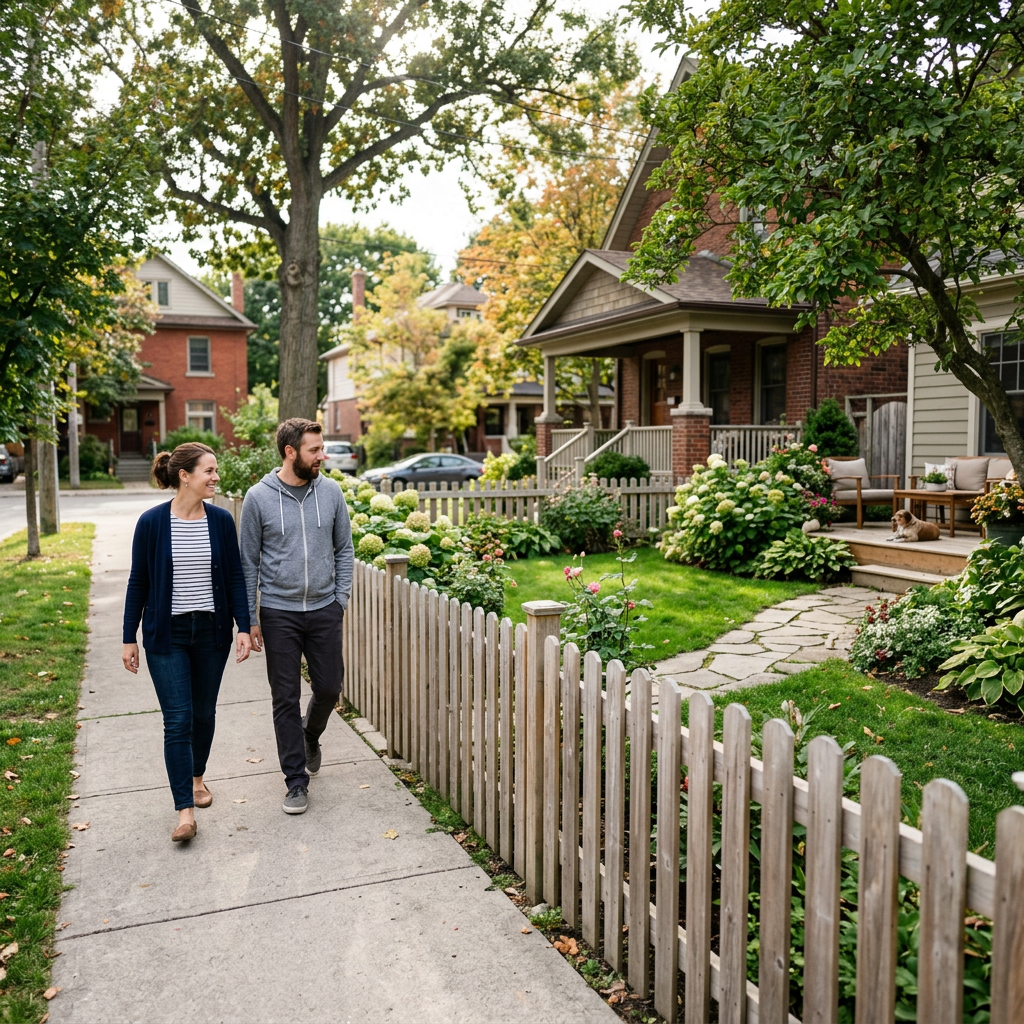
Driving through a Reno neighborhood, you see fences at different heights and wonder why some are taller, some shorter, and which one actually works best for privacy and security. The answer is rarely obvious from the street. What works for one lot might not make sense for yours, depending on slope, setbacks, and how the surrounding homes are positioned.
Fence height should be chosen with both the property’s needs and local requirements in mind. A taller fence may provide more privacy or make access more difficult, but height limits, setbacks, visibility requirements, and permit rules can affect what is allowed. The City of Reno provides fence and wall standards that property owners can review before deciding on a final design.
This uncertainty leads to hesitation. Homeowners worry about spending money on something that does not actually solve the problem or getting halfway through a project and finding out the height they wanted is not allowed.
How Fence Height Actually Controls Privacy and Security
Fence height controls who can see into your yard when standing or sitting at neighboring properties. A six-foot fence on flat ground typically blocks views for someone at ground level next door. But if that neighbor has a raised patio or a second-story window, the same fence may not block much at all.
In Reno neighborhoods, sloped lots are common. One section of your fence might feel tall and private from the inside, while another section feels short and exposed because of how the grade changes. Real-world sightlines matter more than the number printed on a building permit.
Privacy and security are related but not the same thing. A fence that blocks views does not automatically slow down someone determined to get over it. Security depends on overall construction, gate hardware, and whether the fence feels solid when you push against it. A wobbly fence that is tall can feel less secure than a sturdy fence that is a bit shorter.
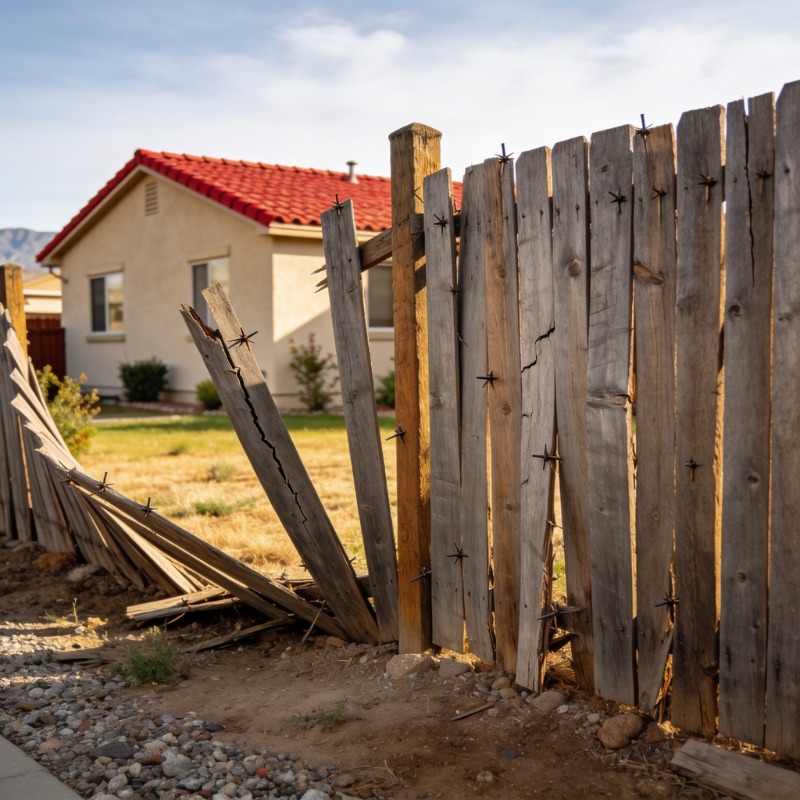
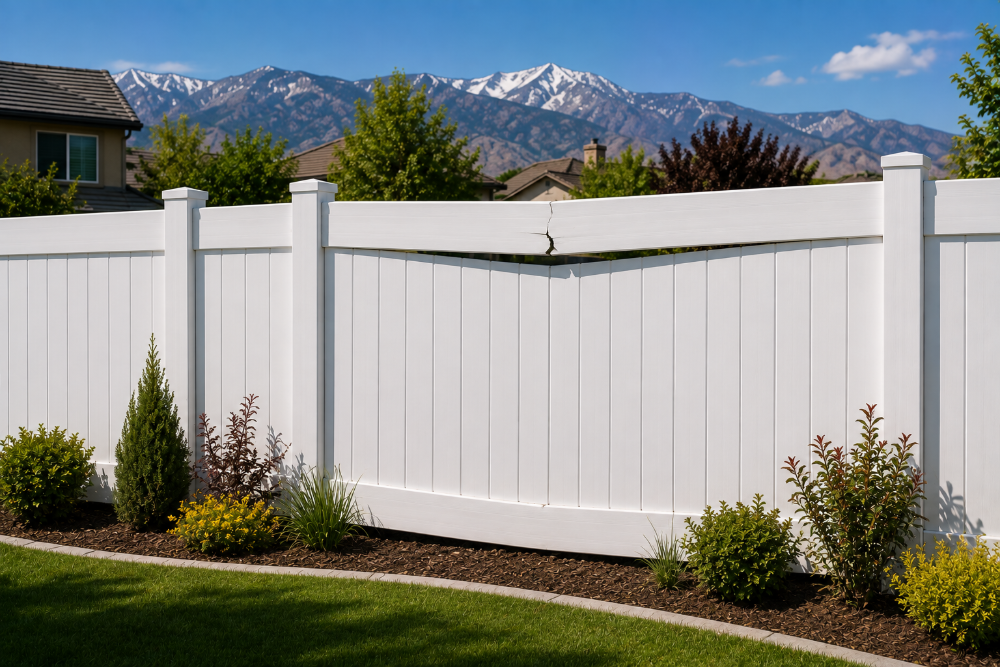
Reno’s climate adds another layer. Wind, snow, and freeze-thaw cycles put stress on taller fences, especially solid panels that catch more wind. Post depth, footing quality, and material choice matter as much as height when you are building something meant to last through Northern Nevada winters.
Local codes and HOA rules also set limits. Front yards, corners, and areas near driveways often have stricter height restrictions to maintain visibility for drivers and pedestrians. Even if you want a taller fence, the rules may not allow it in every part of your lot.
What Actually Matters When Choosing a Fence Height
Reliability shows up in small ways over time. A fence that stays straight after a few winters, does not wobble in the wind, and holds its shape matters more than squeezing out a few extra inches of height. Homeowners notice when gates stop latching right or when panels start to lean.
For security, what matters most is how solid the fence feels and how hard it would be for someone to climb or push through. Horizontal rails that face outward can become footholds. Gates that do not latch properly or that swing open on their own undermine the whole purpose of enclosing the yard.
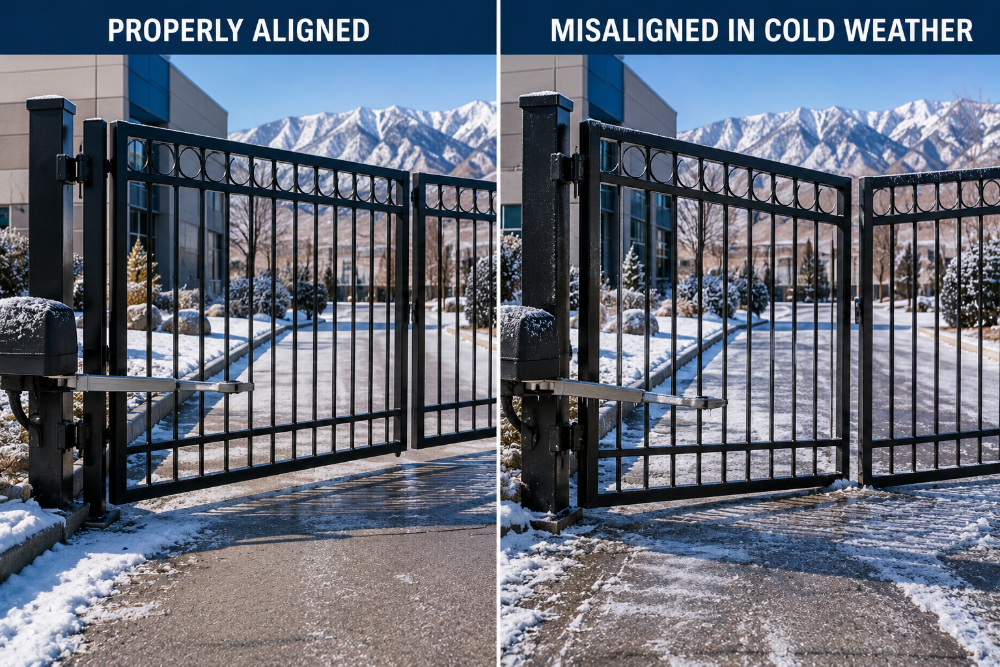
Durability ties directly to Reno’s seasonal climate. Taller solid panels catch more wind and put more leverage on posts. Snow drifts against the bottom of a fence keep wood wetter longer and add weight. Freeze-thaw cycles gradually shift soil and can loosen footings over time. A fence built to handle these conditions will cost more upfront but often costs less over the long run.
Taller fences use more material and typically require stronger posts and deeper footings. That adds to the initial price. But if the design fits the actual conditions, it reduces the chance of repairs a few years down the road.
There is also the question of how the yard feels when fully enclosed. A tall fence can make a small lot feel boxed in. Some homeowners want to preserve views of the mountains or keep a sense of openness while still gaining privacy in specific areas like a patio or hot tub.
Appearance matters too. A fence affects both sides of the property line. The height and style you choose changes how light, views, and airflow move between yards. Sudden changes on a shared boundary can create tension with neighbors if not discussed ahead of time.
Misunderstandings That Lead to Disappointing Results
One of the most common assumptions is that taller automatically means more secure. In reality, a poorly built tall fence can fail sooner than a sturdy fence that is a bit shorter. Wind damage, leaning posts, and loose panels undermine security regardless of how high the fence stands.
Another widespread belief is that a standard six-foot fence solves all privacy problems. That works in some situations, but if your neighbor has a raised deck or a second-story view into your yard, six feet may not block much. The angle of the sightline matters as much as the height of the barrier.
No fence is truly set-it-and-forget-it. Even materials marketed as low-maintenance respond to weather over time. Wood may need sealing or board replacement. Vinyl can become brittle under years of UV exposure. Metal hardware loosens. Freeze-thaw and wind gradually affect alignment, especially on taller fences that catch more stress.
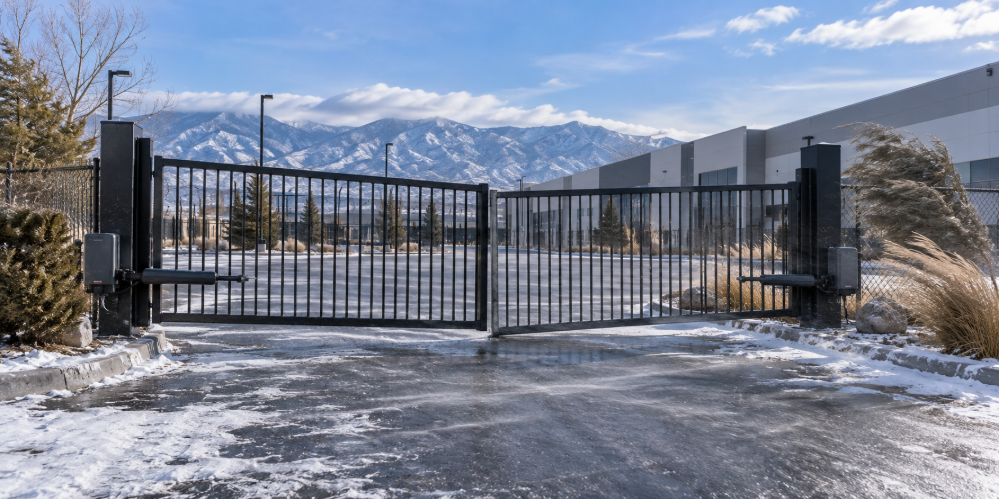
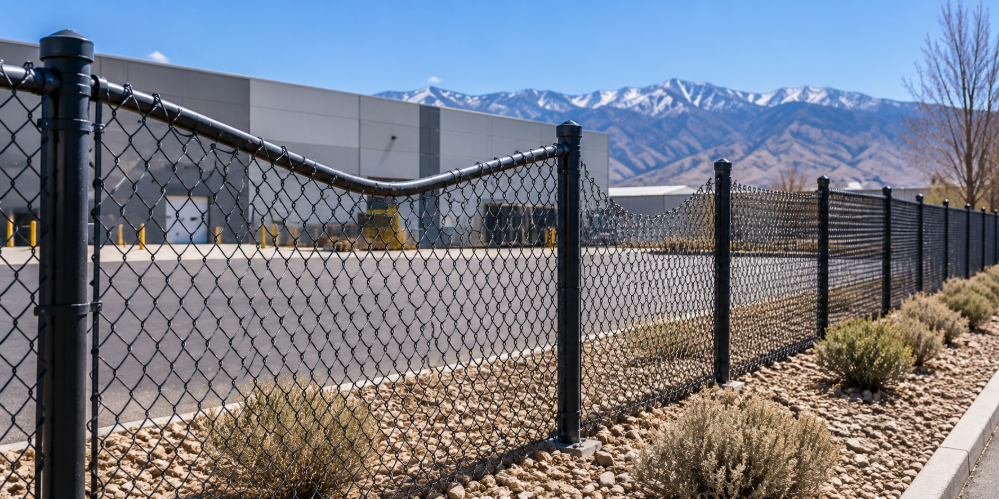
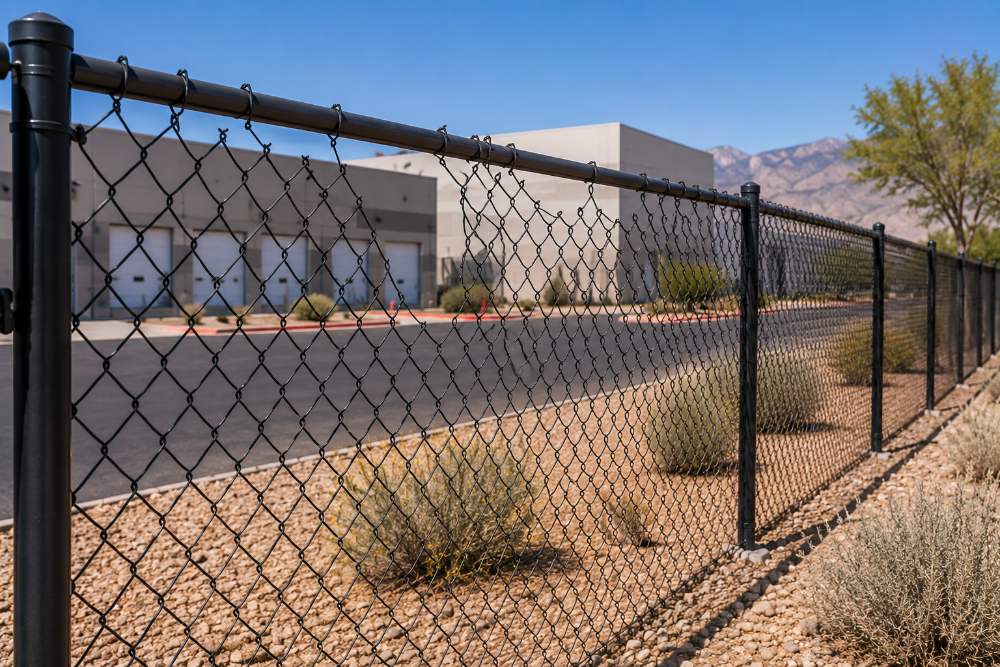
There is also confusion between privacy fences and security fences. A solid fence provides privacy but may not be a serious barrier to someone determined to get in. A strong metal fence can offer physical security and durability but limited visual privacy. These are different problems that sometimes require different solutions.
Finally, many homeowners assume they can match or exceed whatever height the neighbor has. But height rules change over time, and corner lots, easements, and areas near driveways often have stricter limits. What was allowed ten years ago may not be allowed today.
How These Issues Show Up in Reno Backyards
Homeowners often realize their fence height is not doing what they expected after living with it for a season or two. Sitting on the patio, you notice the neighbor’s deck has a clear line of sight into your space. Dogs bark at every passerby they can see through a short or open section. The yard never quite feels private.
Sloped lots create uneven results. One section of fence might block everything while another section feels low and exposed from the inside. The grade change is obvious from your side but was not factored into the original installation.
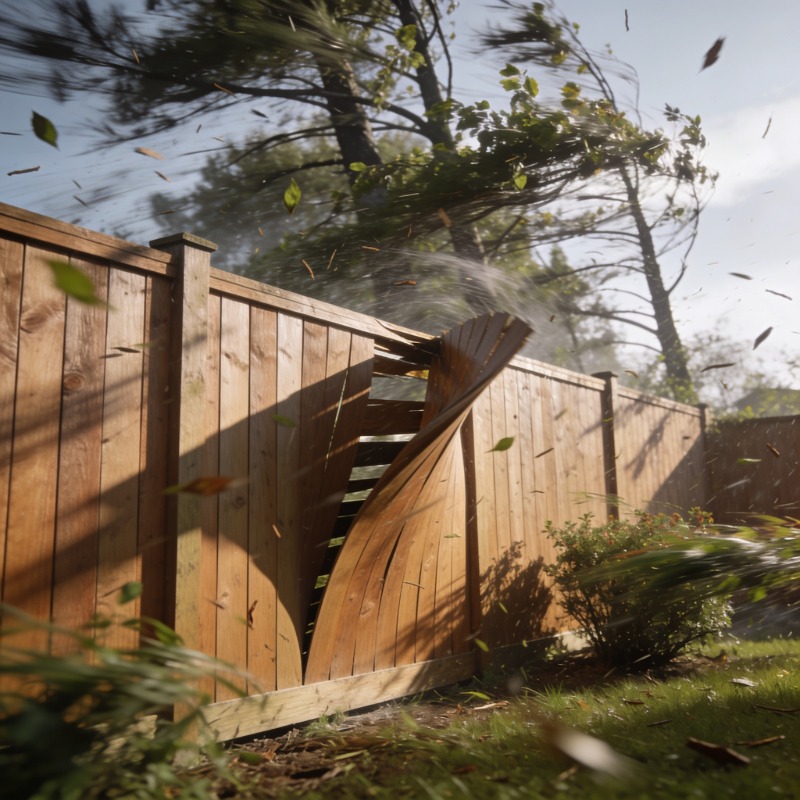
Windstorms reveal weaknesses quickly. Taller solid panels sway or lean when gusts hit, especially if posts are not deep enough or concrete footings are undersized. After a few heavy wind events, sections that seemed fine start to show movement.
Seasonal changes add up over time. Snow banks piling against the base of a fence keep materials wetter longer. Freeze-thaw cycles shift soil around posts. After a few winters, a fence that started out straight may develop a lean or wobble that gets worse each year.
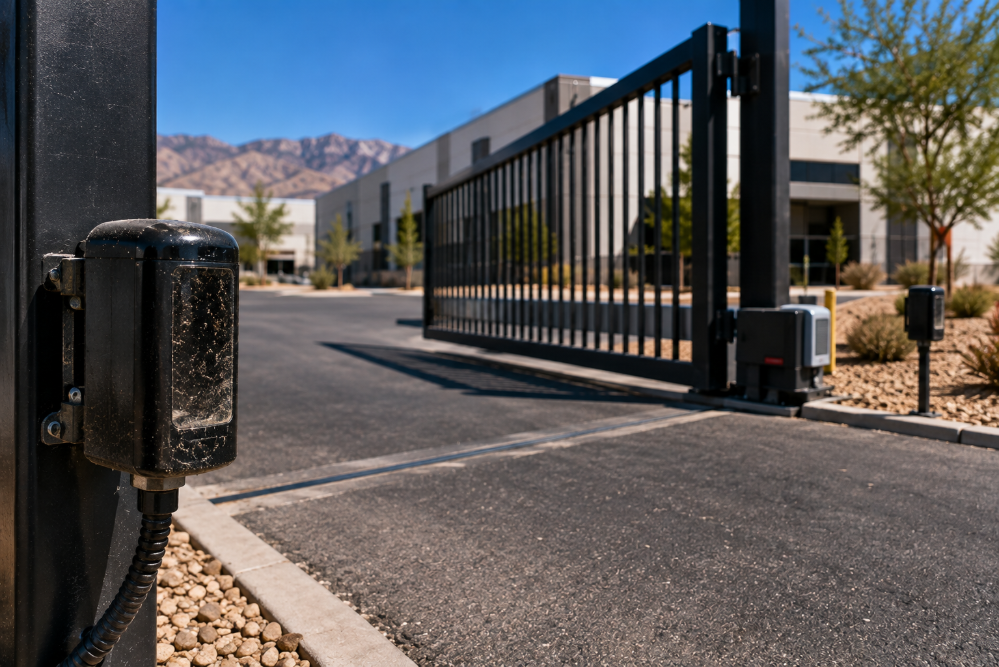
Gates often get overlooked during the height conversation. Homeowners realize how often gates are used and how much they matter for convenience and security only after living with the fence. A gate that does not latch reliably or that sags over time becomes the weak point in an otherwise solid fence line.
Matching Fence Height to How You Actually Use Your Yard
Questions about fence height usually come up when homeowners are planning a new fence, replacing an aging one, or dealing with sections that have started leaning or sagging. In Reno, these conversations often include concerns about how the fence will hold up through wind, snow, and temperature swings.
The right height is a mix of sightlines, local rules, and climate rather than a single number that works everywhere. Privacy and security depend on overall design, materials, and construction quality as much as height. A fence built with the right posts, footings, and hardware for Northern Nevada conditions will perform better over time than one that simply meets a height target.
Thinking in terms of how you actually use your yard helps clarify the decision. Where do you sit and spend time? What do you want to see and not see? What feels exposed? Answering those questions gives you a practical starting point instead of guessing based on what neighbors have done.
Some tradeoffs are unavoidable. More privacy can mean a more enclosed feel or higher cost. Preserving views can mean accepting a bit less privacy in certain areas. A fence contractor familiar with Reno conditions can walk through these tradeoffs with you based on your specific lot.
For homeowners in Reno and surrounding Northern Nevada communities evaluating options, A1 Fence LV brings more than 35 years of fencing experience to residential projects. Whether you are planning a new installation, considering repairs, or thinking through an upgrade, you can request a quote online at https://a1fencelv.com/request-a-quote, call 775-451-3328, or email joe@a1fencelv.com. Submitting the online form is the simplest way to get started.