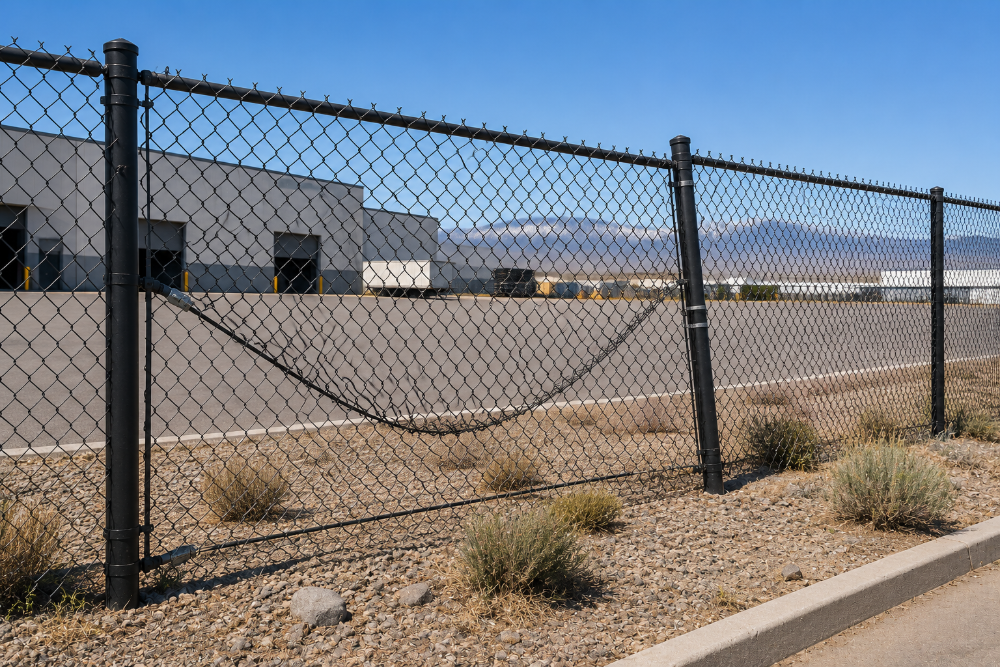
Chain link fencing on commercial properties in Northern Nevada often develops visible sag over time, and the reasons connect directly to the region’s operating conditions. Understanding what causes this structural change helps property managers, general contractors, and facilities directors make better decisions about repair timing, material selection, and long-term maintenance planning.
The factors at play range from environmental stress to installation variables, and most are specific to how fencing performs under Reno’s seasonal climate. This article explains the primary causes of chain link fence sag in commercial applications and what those causes mean for ongoing property management. For broader context on commercial fencing systems, A1 Fence LV provides installation and repair services across Northern Nevada.
How Freeze-Thaw Cycles Affect Post Stability
One of the most significant factors in commercial chain link fence sag across Northern Nevada is the repeated freeze-thaw cycle that occurs throughout the winter and early spring months. When moisture in the soil freezes, it expands. When it thaws, it contracts. This cycle happens dozens of times each season, and over multiple years, it creates movement in the ground that directly affects fence post stability.
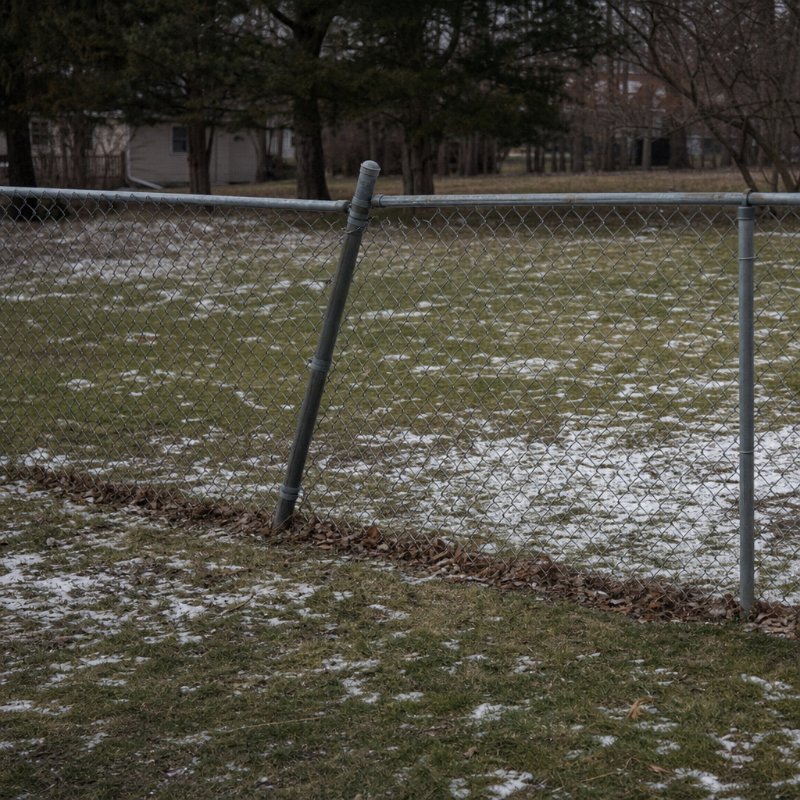
Posts that were set at proper depth and with adequate concrete encasement can still shift when the surrounding soil moves. This is especially true in areas where drainage is poor or where the soil composition includes higher clay content. The post does not need to move much to create visible sag in the chain link fabric. Even a slight lean or vertical displacement at one post changes the tension dynamics across the entire fence line.
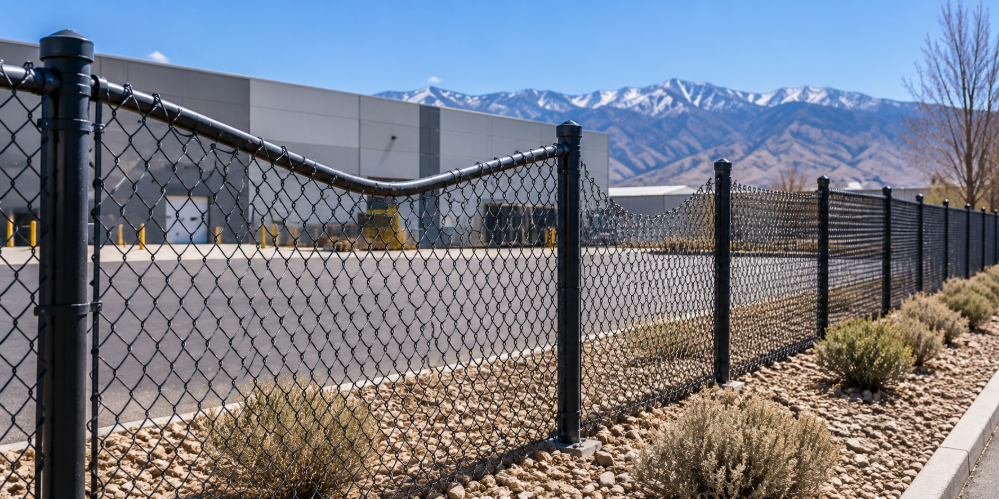
When posts shift unevenly along a run, the mesh loses its original tension. The result is a visible dip or wave in the fabric between posts. This is not a material failure in most cases. It is a structural response to ground movement beneath the fence.
Identifying this type of sag early matters because the longer it persists, the more stress transfers to adjacent posts and hardware. What begins as a single shifted post can eventually affect an entire section if not addressed.
Commercial properties that include long perimeter runs are particularly susceptible. The longer the fence line, the more opportunities exist for localized ground movement to introduce variation in post position.
Wind Exposure and Tension Loss Over Time
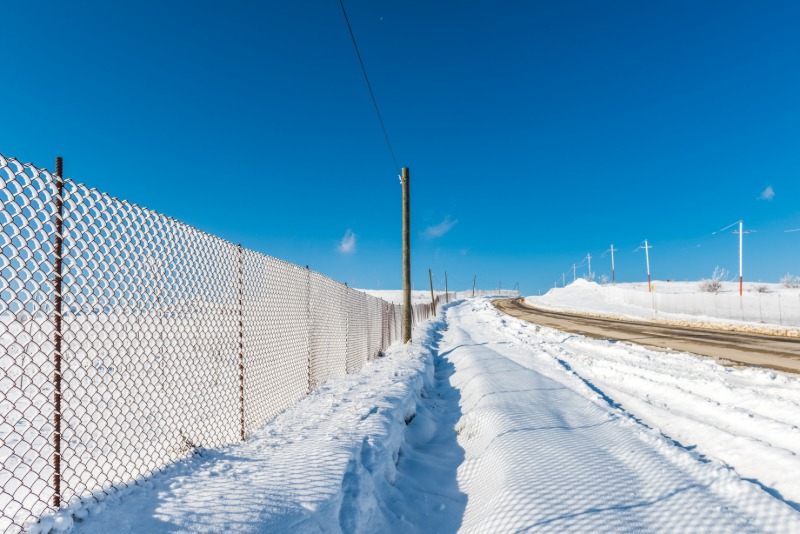
Northern Nevada’s wind patterns place consistent lateral stress on chain link fencing, particularly on properties located in open terrain or elevated areas around Reno. Chain link fabric is permeable, which reduces wind load compared to solid panel systems, but it does not eliminate it. Over time, repeated wind pressure contributes to gradual tension loss in the mesh.
The tension in a properly installed chain link fence is distributed across the entire run, anchored at terminal posts and maintained by tension bands, bars, and tie wires. When wind pushes against the fabric repeatedly, it creates micro-movements at attachment points. These small shifts accumulate over years of exposure.
Tension loss does not always appear as dramatic sag. In some cases, it shows up as looseness in the fabric, a slight bounce when touched, or visible slack near the bottom rail. In other cases, it creates a more obvious droop between posts.
Properties with minimal windbreaks, such as those adjacent to open lots, highways, or industrial zones, tend to experience this more quickly. The same applies to corner sections and areas where the fence line changes direction, as these points already carry higher baseline stress.
Inspecting tension hardware annually allows property managers to identify loosening before it becomes a larger repair issue. Retensioning the fabric and replacing worn hardware can restore structural integrity without full replacement.
Soil Movement and Seasonal Ground Behavior
Beyond freeze-thaw cycles, Northern Nevada’s soil conditions contribute to fence sag through broader seasonal movement patterns. The region’s soil composition varies, but many areas include expansive soils that swell when wet and shrink when dry. This seasonal expansion and contraction creates shifting conditions that affect buried fence posts.
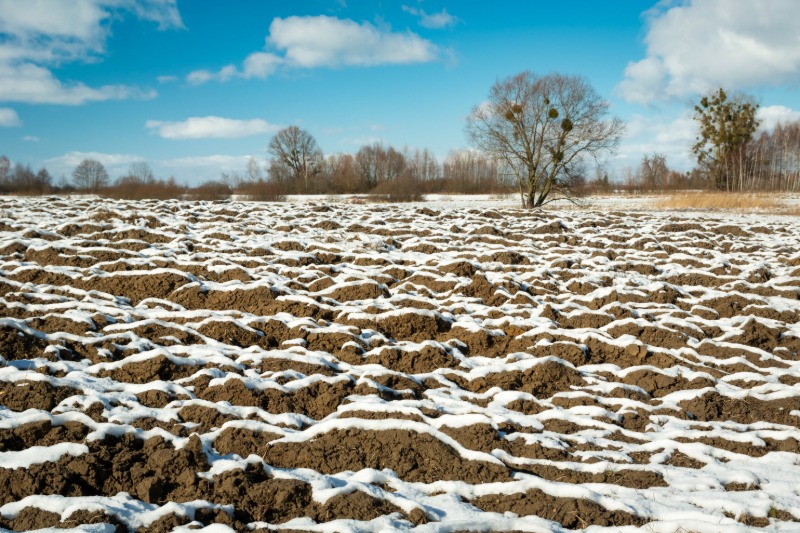
During wetter months, soil absorbs moisture and expands. During the dry summer, it contracts. This movement is not always uniform across a property. Variations in drainage, sun exposure, and irrigation near fence lines can create localized differences in how the ground behaves.
Posts set in areas with inconsistent soil behavior may shift at different rates than adjacent posts. When this happens, the fence line loses its original alignment. The chain link fabric, which depends on consistent post spacing and height to maintain tension, begins to sag or pull in response.
This type of movement is often subtle in any single season but compounds over multiple years. A fence that appeared stable during initial installation may show signs of sag after five or more years of seasonal cycling.
Addressing soil-related sag typically requires evaluating post depth, concrete integrity, and drainage conditions around the affected section. In some cases, resetting posts or improving drainage resolves the issue. In others, ongoing monitoring becomes part of routine maintenance.
Hardware Fatigue and Connection Point Wear
Chain link fencing relies on a system of hardware components to maintain tension and alignment. This includes tension bands, brace bands, rail ends, tie wires, and carriage bolts. Each of these components carries load and experiences stress over time. In commercial applications with long fence runs and extended service life, hardware fatigue becomes a contributing factor to sag.
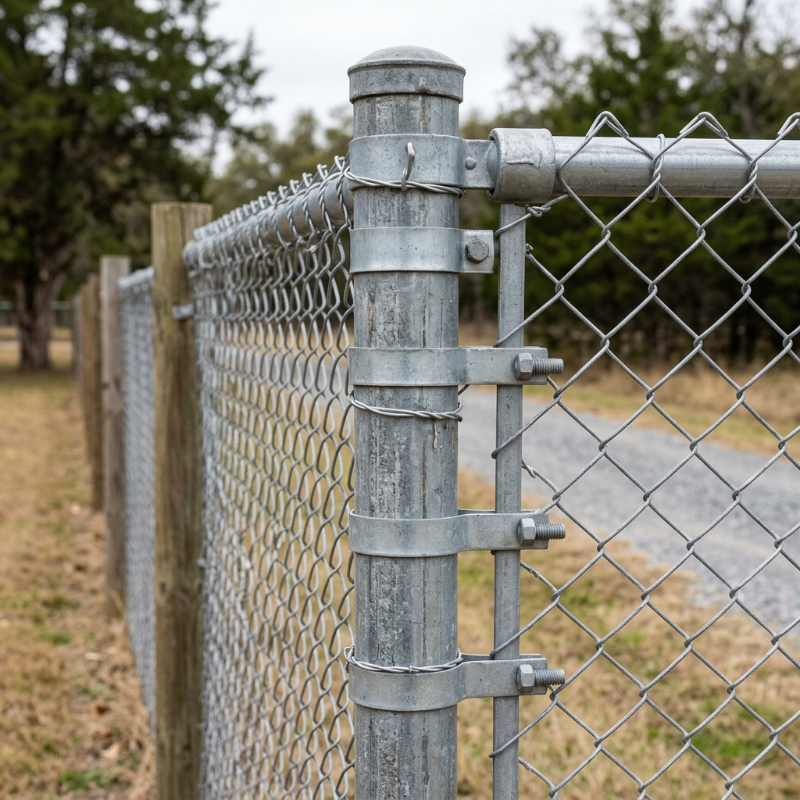
Tie wires, which secure the chain link fabric to the top rail and line posts, are often the first components to show wear. Repeated movement from wind, thermal expansion, and incidental contact loosens these connections. When enough tie wires fail or loosen, the fabric begins to pull away from the frame, creating visible sag or bulging.
Tension bands and bars at terminal posts also experience fatigue. These components hold the fabric under tension at the ends of each run. If they loosen, slip, or corrode, the entire run loses tension. The result is a progressive sag that worsens over time.
Commercial chain link fencing depends on proper tension throughout the system. The Chain Link Fence Manufacturers Institute specifies that chain link fabric should be stretched taut and secured to posts, rails, and tension wire so it remains stable and free of sag. When those components loosen, shift, or fail, the fabric can begin to droop and pull away from the framework.
Carriage bolts and nuts used throughout the system can corrode or loosen, particularly in areas exposed to road salt, irrigation overspray, or other moisture sources. Corrosion weakens the connection and allows movement that would not occur with intact hardware.
Routine inspection of hardware allows property managers to identify and replace worn components before they contribute to larger structural issues. This is a lower-cost intervention than addressing sag after it has affected multiple sections.
What Sag Means for Commercial Property Management
Recognizing the causes of chain link fence sag is the first step toward managing it effectively. For commercial properties in Northern Nevada, sag is rarely a single-cause issue. It typically results from a combination of freeze-thaw cycling, wind exposure, soil movement, and hardware wear acting on the fence over years of service.
Addressing sag early reduces the scope and cost of repair. A single shifted post or a section of loose fabric can often be corrected with targeted work. Allowing sag to persist transfers stress to adjacent sections and accelerates wear across the system.
Seasonal inspections aligned with Northern Nevada’s climate patterns help identify developing issues. Post-winter inspections catch freeze-thaw damage. Pre-winter inspections allow time to address hardware wear before conditions worsen.
For property managers, general contractors, and facilities directors coordinating perimeter maintenance, understanding these dynamics supports better planning and budgeting. Repairs scheduled proactively cost less and cause fewer disruptions than emergency corrections after a section fails.
A1 Fence LV works with commercial clients throughout Reno and surrounding Northern Nevada communities on fence repair and installation projects. The company brings experience with the specific conditions that affect fencing in this region, including the seasonal factors that contribute to chain link sag over time.
If you are evaluating a perimeter system that shows signs of sag or planning maintenance for an aging fence line, you can request a quote online at https://a1fencelv.com/request-a-quote. For direct communication, reach Lalo Flores, Commercial Estimator, at 775-451-3328 or lalo@a1fencelv.com.