Many commercial fence installation mistakes have little to do with how straight the fence looks on completion day. The issues that generate repair calls and operational friction typically trace back to how posts, gates, and hardware were planned and installed relative to actual site conditions and use patterns.
In Reno’s climate, where freeze-thaw cycles, wind exposure, and seasonal ground movement stress fencing systems differently than milder environments, these early decisions shape how often repairs become necessary and how reliably the fence supports access control and daily operations. Understanding where these mistakes occur helps property managers, developers, and facility teams set realistic expectations for commercial fence and gate systems over their operational life.
Why Commercial Fence Problems Often Surface After Installation
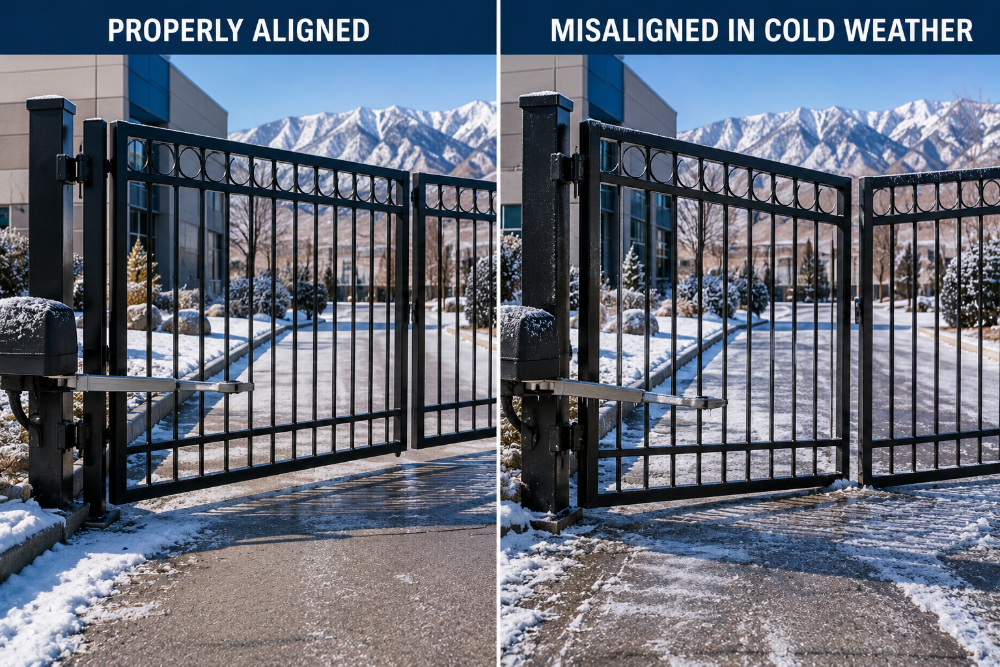
Property managers and facility directors frequently encounter a frustrating pattern. A commercial fence system that appeared solid at final inspection begins generating maintenance tickets within a few seasons. Gates start dragging or binding. Latches require extra force to engage. Fence sections near drive lanes show movement at the posts.
The uncertainty around these issues creates real operational friction. Teams find themselves coordinating around misaligned access points, scheduling unplanned downtime for gate adjustments, and questioning whether the problems stem from product quality, installation execution, or something about the site itself.
This pattern is especially common on active commercial properties where the fence interacts with delivery routes, equipment movement, and multi-tenant access. Small variances that were invisible at completion become pronounced once the system absorbs repeated use cycles and seasonal stress.
The frustration compounds when there is no clear answer about why a relatively new installation is already requiring attention. In many cases, the root cause is not a single obvious defect but a combination of planning assumptions and execution choices that did not fully account for how the fence would actually be used.
How Commercial Fencing Differs from Residential Expectations
Commercial fencing functions as an operational system rather than a passive property boundary. Its long-term behavior depends on planning assumptions, material choices, and execution quality at high-stress locations including gates, corners, and transitions between fence sections.
Repeated use cycles create stress that residential installations rarely experience. A vehicle gate on a commercial site may open and close dozens of times daily for deliveries, staff access, and service providers. Each cycle loads the hinges, posts, and latching hardware. Over months and years, even minor installation variances in hinge alignment or post plumb translate into noticeable wear patterns.
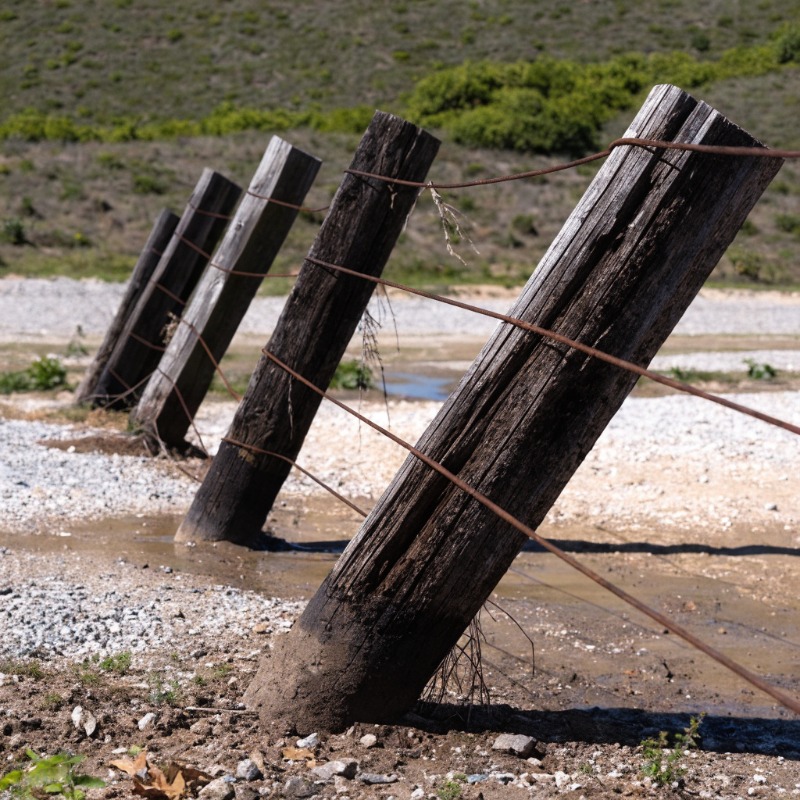
In Northern Nevada, environmental factors add another layer of stress. Freeze-thaw cycles cause ground movement that can shift posts set in soils with high moisture variability.
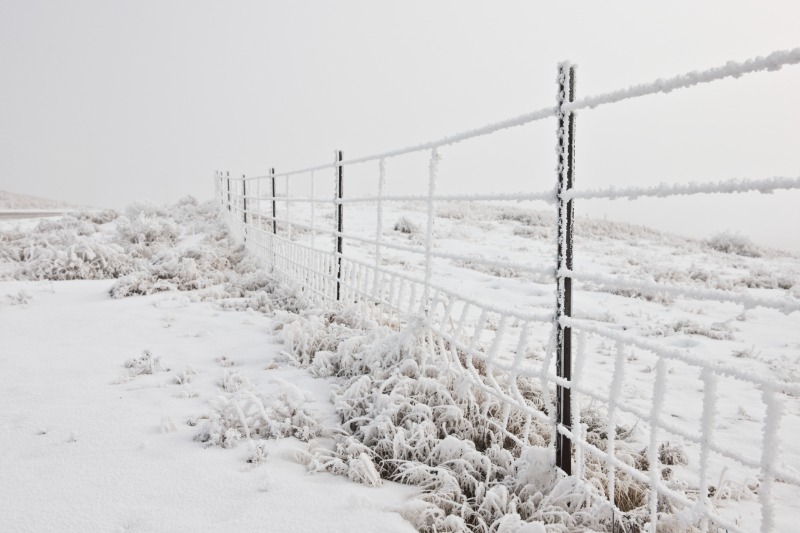
Wind exposure loads fence sections and gates laterally, testing the connection between posts and footings. Snow events and subsequent removal operations bring equipment and plowed snow into contact with fence lines in ways that may not have been fully anticipated during installation
.
When installation does not account for these realities, the fence may initially appear sound. The problems surface later as movement, misalignment, and hardware wear that require repair. This is distinct from obvious workmanship failures. A fence can be installed correctly according to the drawings while still being poorly matched to actual site conditions and operational demands.
The distinction matters because it shifts attention from blaming the installer after the fact to evaluating planning and coordination decisions before work begins.
What Matters Most for Commercial Fence Performance
For general contractors, developers, and property managers evaluating commercial fence installations, several factors have outsized influence on long-term performance and repair frequency.
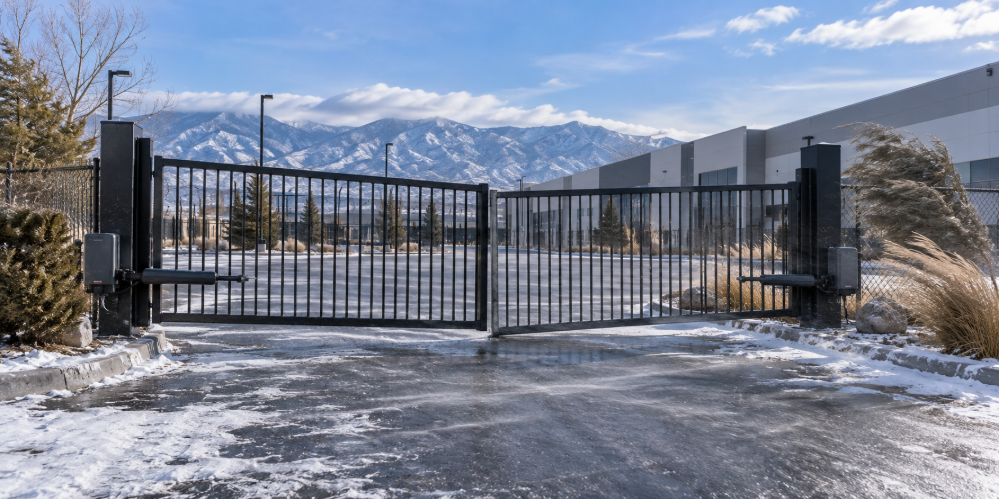
Gate operation reliability ranks among the highest priorities. Gates that bind, drag, or require repeated manual adjustment create daily friction for everyone using the site. These issues typically originate from installation decisions around hinge placement, post plumb, swing clearance, and hardware selection. A gate that operates smoothly at installation but begins binding within a year often reflects posts that have moved slightly or hardware that was undersized for the actual cycle count.
Commercial fence installation depends on getting the basic structural details right from the beginning. The Chain Link Fence Manufacturers Institute recommends proper site preparation, setting posts plumb in concrete footings, and following established procedures for framework, fabric, and gate installation. Errors in these early steps can contribute to alignment problems and premature fence failure.
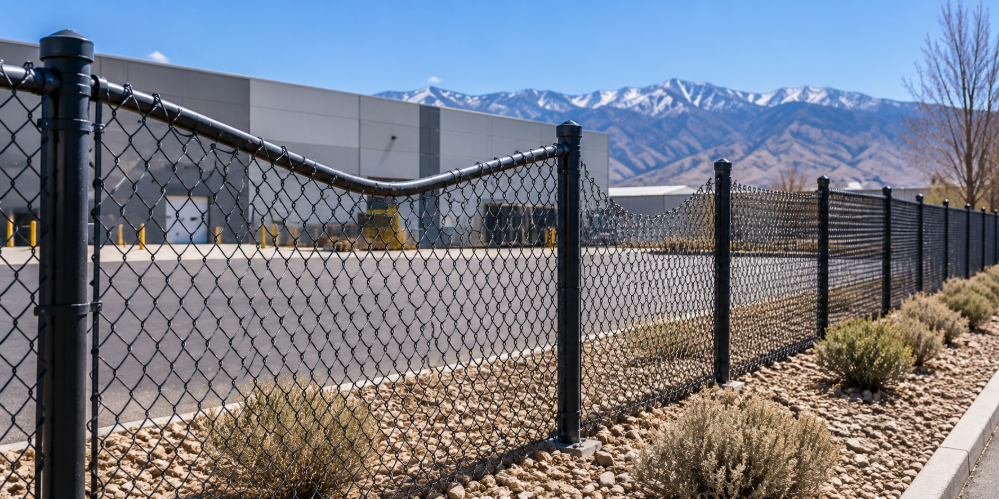
Structural stability of posts and fence lines under environmental loading determines how well the system holds its alignment over time.
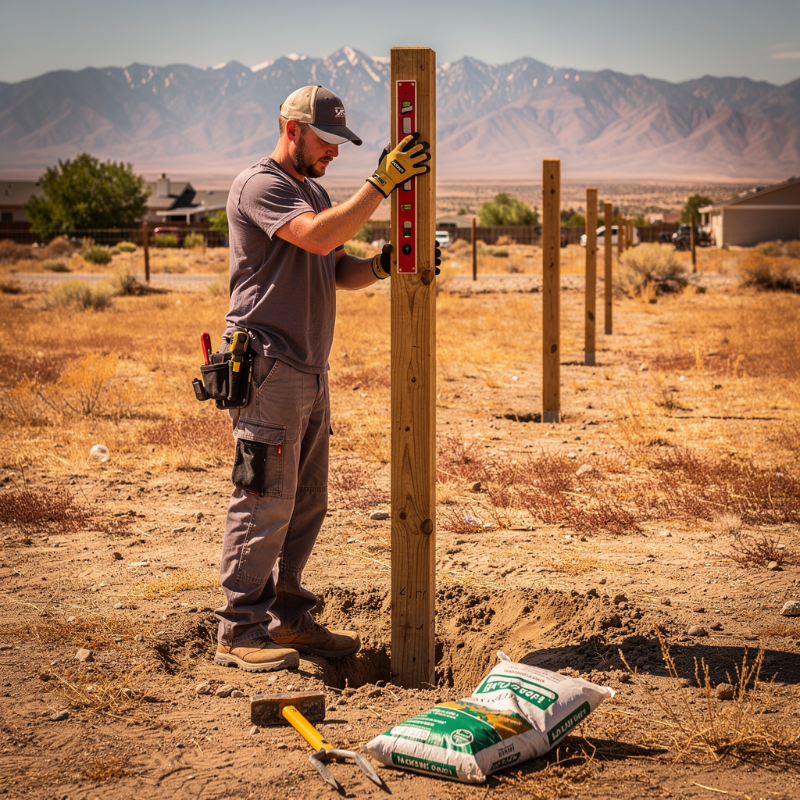
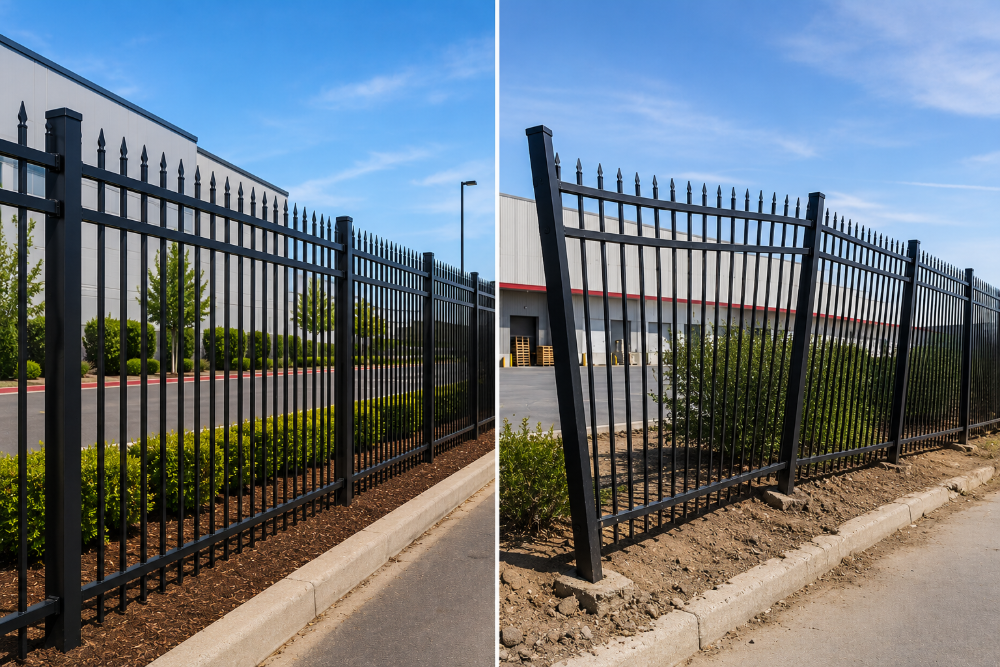
In Reno’s conditions, this means accounting for wind exposure, freeze-thaw ground movement, and occasional snow or ice loads. Posts that shift even modestly can cascade into hardware misalignment, gate drag, and visible deflection in fence runs.
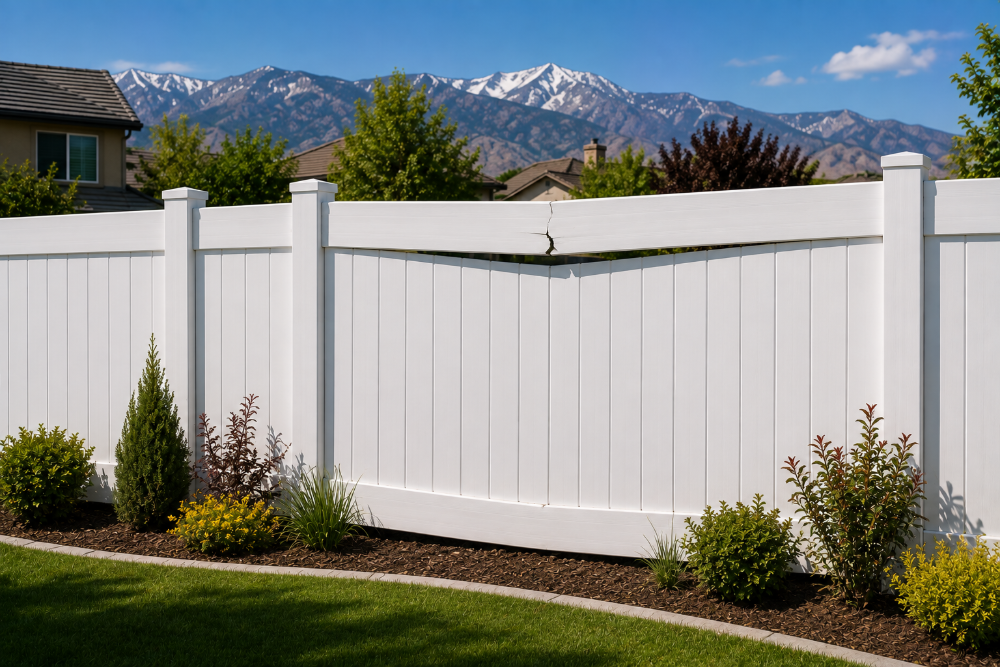
Safety and risk control matter where the fence is intended to limit access, support security programs, or separate public and restricted zones. Inconsistent fence height, unplanned low points, or climb points created by proximity to structures can undermine these functions. Where fences interface with parking lots, sidewalks, or shared access areas, alignment and clear opening control become operational risk factors.
Long-term cost implications extend beyond the initial installation price. Recurring service calls to correct post movement, repair damaged sections, or replace worn hardware accumulate over the system’s life. Choices that reduce unplanned repair frequency usually relate to accurate assessment of actual use conditions during planning and disciplined execution during installation.
Usability in context matters for sites with delivery routes, equipment clearances, and multi-tenant access. A gate width or swing direction that seemed adequate on paper can create ongoing friction when actual traffic patterns do not match planning assumptions. These conflicts show up as workarounds, user complaints, and accelerated wear on components that absorb the mismatch.
Misunderstandings That Lead to Repeated Repairs
A persistent misconception treats commercial fencing as a set-and-forget asset. The assumption is that once installed, a fence should require minimal attention for many years. In practice, high-cycle gates and sections exposed to vehicle traffic, equipment operation, or environmental stress inherently require more attention over their operational life than low-duty residential fences.
Applying residential-grade expectations to commercial settings creates misalignment between what stakeholders anticipate and what actually occurs. A fence system that would perform adequately on a single-family lot may not hold up under the traffic volumes, heavier gates, and repeated access demands of a multi-tenant commercial site.
Another misunderstanding assumes that if a fence looks acceptable at completion, it will automatically meet long-term operational needs. Visual inspection at walk-through does not reveal whether posts are set to appropriate depth for local soil and frost conditions, whether hardware is rated for the anticipated cycle count, or whether gate clearances account for seasonal ground movement.
When problems emerge later, stakeholders sometimes assume simple workmanship error is the only explanation. While execution quality matters, many issues trace back further to planning and coordination gaps. Incomplete information about site grades, drainage paths, snow storage areas, or traffic patterns can result in installations that technically match the drawings but perform poorly once the site is in full operation.
This distinction matters for how stakeholders approach both new installations and evaluations of existing systems. Repeated repairs are not always evidence of poor craftsmanship. They may indicate that the original design did not adequately address actual operational demands.
What Reliable Fence Contractors Do Differently
One of the most common mistakes is failing to install fence posts appropriately for local site conditions. Reno properties can include rocky soils, areas of expansive clay, and ground that shifts during freeze-thaw cycles. Contractors who rely on the same installation methods for every property may leave posts vulnerable to movement over time. A reliable contractor evaluates the soil and adjusts post depth, footing size, and installation methods accordingly.
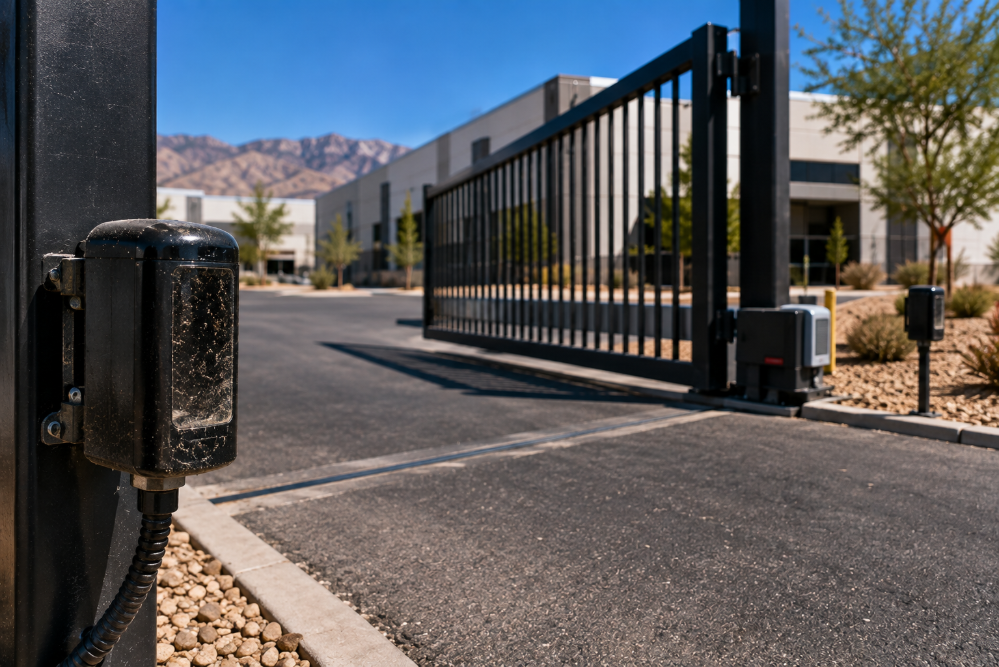
Another mistake is selecting hardware that is not designed for the demands of the property. Commercial gates that operate dozens of times each day place significantly more stress on hinges, rollers, latches, and gate operators than residential systems. Using undersized or lower-duty components often leads to premature wear and recurring service calls.

Wind exposure is another factor that should not be overlooked in Northern Nevada. Some fence designs and materials perform better than others in areas that experience frequent strong winds. A contractor familiar with Reno understands how wind loads affect fence sections and gate systems and can recommend designs or reinforcements that improve long-term stability.
Drainage conditions also deserve careful attention before repairs begin. Water that collects around fence posts can weaken surrounding soil and contribute to movement during freeze-thaw cycles. Identifying drainage issues before completing a repair helps reduce the likelihood of the same problem returning in future seasons.
Gate alignment is another area where small installation errors can create ongoing problems. Posts that are not perfectly plumb or hardware that is installed slightly out of alignment may allow a gate to function initially, only to begin dragging, binding, or failing to latch after months of regular use. Careful layout and precise installation help prevent these issues from developing.
Reliable contractors also know when repairing a damaged fence section is no longer the most practical solution. Replacing only visibly damaged boards or rails while leaving compromised posts or footings in place may temporarily improve appearance but often results in additional repairs later. A thorough inspection helps determine whether a repair will provide lasting value or whether replacement is the more dependable option.
Finally, experienced contractors evaluate how the property is actually used rather than focusing only on the damaged section. Loading areas, service entrances, equipment routes, and high-traffic access points often experience repeated impacts or heavier wear than the rest of the fence. Understanding these use patterns allows repairs to address not only the existing damage but also the conditions that contributed to it in the first place.
How Installation Mistakes Appear in Daily Operations
In day-to-day use, installation mistakes manifest in specific, recognizable ways. Gates that no longer close cleanly require users to lift, push, or force them into position. Latches that worked smoothly at installation begin requiring extra effort or improvised fixes to engage properly.
Posts that have shifted even modestly affect hardware alignment at gates and corners. The shift may not be visible to casual observation, but its effects show up in how hinges carry load and how latches align with strike plates. Over time, these small misalignments accelerate wear on components that were not designed to absorb the additional stress.
Fence sections near drive lanes or equipment staging areas sometimes absorb vehicle or equipment contact because their placement did not fully reflect actual traffic patterns. A fence line that looked appropriate on the site plan may sit too close to a turning radius or backing path that drivers use differently than anticipated.
In Reno, snow storage and plowing paths introduce additional variables. Fence sections in areas where snow is pushed or piled during winter experience repeated loading that can shift posts or damage lower fence components.
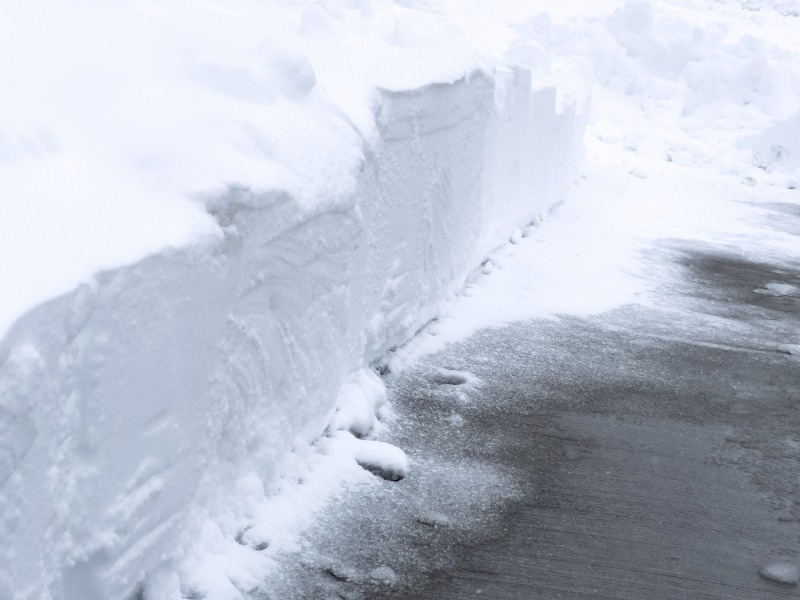
Seasonal ground movement from freeze-thaw cycles can exacerbate small installation variances at posts and footings, turning minor issues into visible problems over successive winters.
For many commercial properties, these conditions translate into recurrent fence and gate repair needs that compete with other facility priorities for attention and budget. The repairs themselves may be straightforward, but their frequency reflects upstream decisions made during planning and installation.
Understanding Commercial Fence Repair in Context
Questions about commercial fence installation mistakes commonly arise in specific situations. Property stakeholders may be reviewing a history of repeated repairs on an existing system and trying to understand why maintenance costs are running higher than expected. Others may be planning a new project and want to avoid the issues they have encountered on previous sites.
In some cases, the discussion occurs when an existing fence is simply not performing as expected and the stakeholder needs to determine whether repair, modification, or replacement makes the most sense. These evaluations often happen in the context of professional fence and gate repair services on active commercial sites where operational continuity matters.
A1 Fence LV works with general contractors, developers, property managers, and facility teams throughout Reno and surrounding Northern Nevada communities on both new installations and repair of existing systems. The company brings experience from large-scale commercial work as well as smaller installations, applying that depth of field knowledge to projects operating in seasonal climates that include snow, wind, and freeze-thaw conditions.
For teams evaluating options for a current or upcoming project, A1 Fence LV can provide practical input based on actual site conditions and operational requirements. Commercial fence performance is best understood as the outcome of how the system was planned and installed to handle real operational loads, not just how it appeared on installation day. Recognizing the difference between residential assumptions and commercial realities, especially around high-use gates and exposed sections in Northern Nevada’s climate, helps set more accurate expectations for repair frequency and long-term system behavior.
If you are coordinating a site plan or reviewing specifications, you can request a quote online at https://a1fencelv.com/request-a-quote. For direct discussion, reach Lalo Flores at 775-451-3328 or lalo@a1fencelv.com.