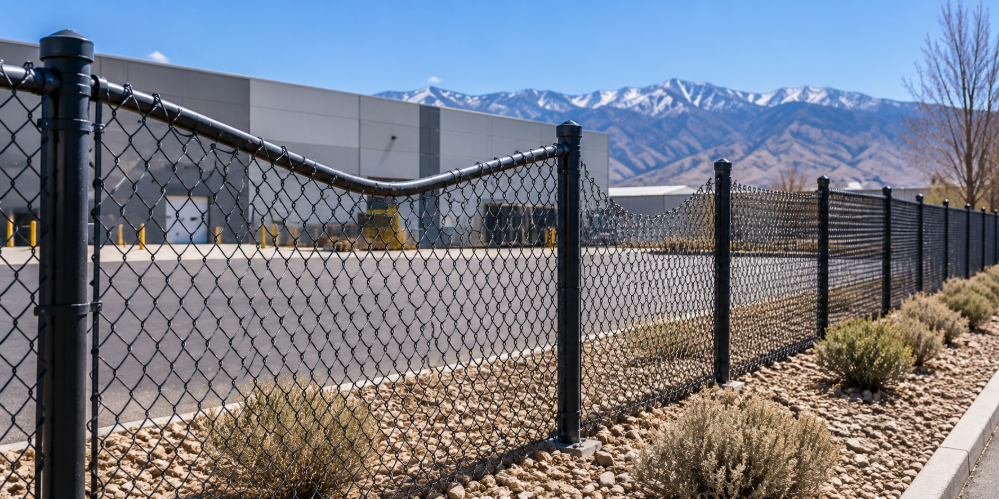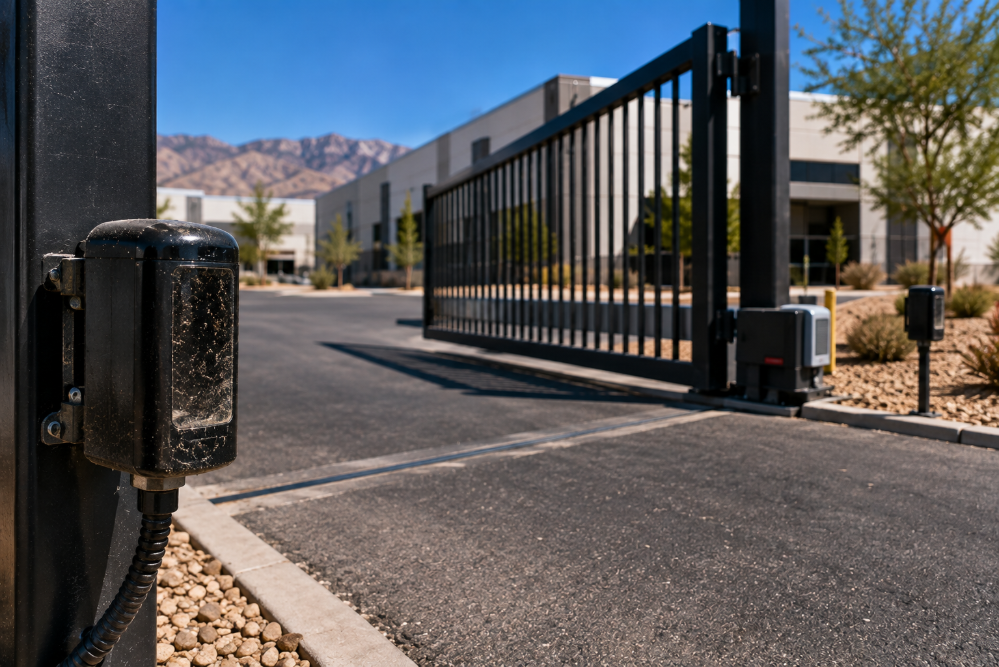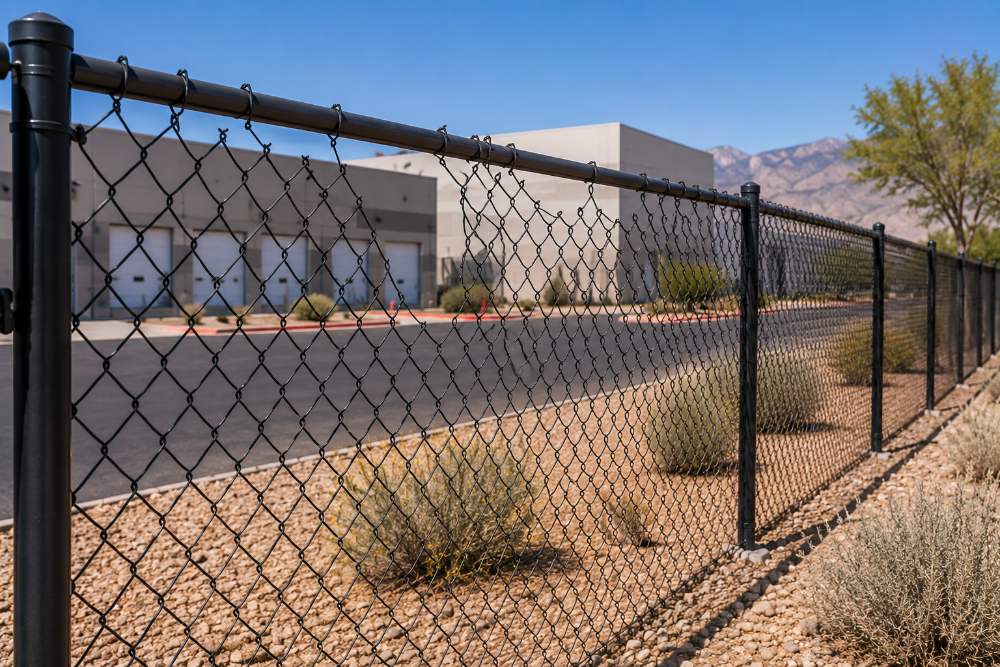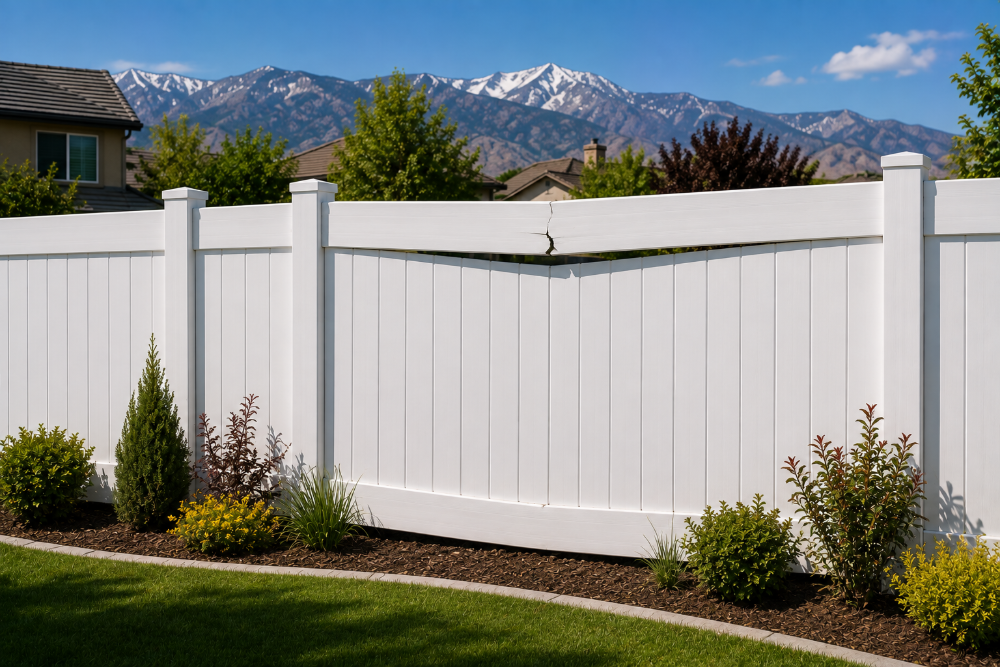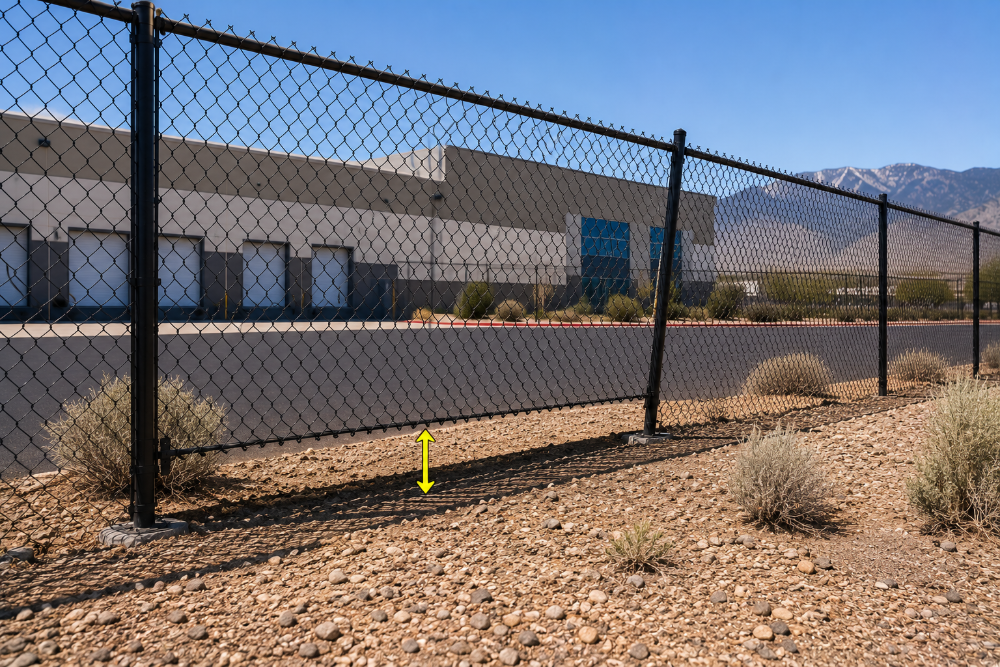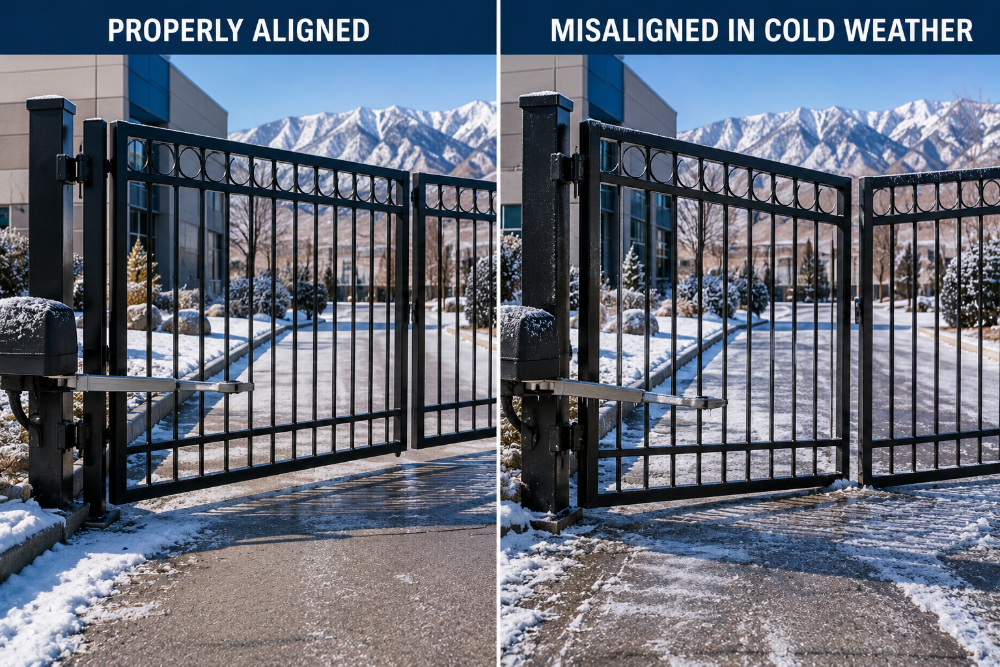
Consistent gate alignment in cold weather determines whether a gate, its hardware, and supporting structure operate smoothly and predictably when temperatures drop, ice forms, and ground conditions shift.
For commercial properties in the Reno area, this directly affects access control reliability, operator performance, and day-to-day site operations throughout winter. Understanding what drives alignment issues in freeze-thaw climates helps property managers, general contractors, and facilities teams anticipate problems before they become recurring disruptions. A1 Fence LV works with commercial stakeholders throughout Northern Nevada on these types of evaluations and repairs.
How Cold Weather Gate Problems Show Up on Commercial Sites
Commercial teams typically experience winter gate issues as repeated stalls, leaves that become difficult to close, and automatic operators faulting on cold mornings. These conditions create uncertainty about whether the gate will open or shut when needed, raising questions about what is actually causing the inconsistency.
The disruption extends beyond the gate itself. Planned vehicle access becomes unpredictable. Tenants and delivery drivers encounter delays at entry points. Staff members resort to manual overrides or workarounds that were never part of the original access plan.
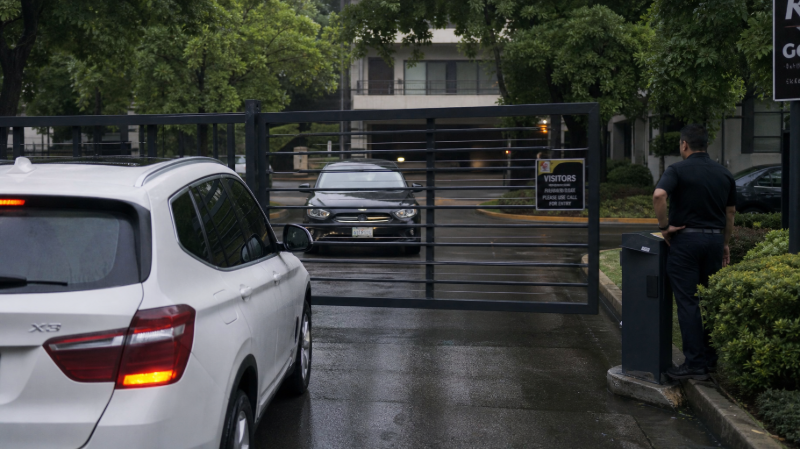
What makes these issues particularly frustrating is their tendency to recur each winter despite prior repairs. A gate that seemed fixed in October binds again in December. An operator that ran smoothly through fall begins faulting after the first hard freeze.
The pattern often points to underlying conditions that seasonal repairs do not fully address. When the same issues return each cold season, the focus shifts from isolated component failures to the geometry and foundation conditions that govern how the gate moves through its travel path.
For property managers coordinating multi-tenant access or operations teams maintaining delivery schedules, this kind of recurring uncertainty complicates planning and erodes confidence in the perimeter system.
What Gate Alignment Actually Means in Practice
Gate alignment refers to the relationship between the gate leaf, posts, hinges, rollers, latches, and operators. For a gate to function correctly, that relationship must stay within workable tolerances along the full travel path, from fully open to fully closed.
In practical terms, this means the gate needs to swing or slide without binding against posts, tracks, or grade. The latch must meet its strike point consistently. Rollers must track evenly without dragging or lifting. Operators must be able to move the gate through its full cycle without straining against resistance.
Cold weather affects this relationship through several mechanisms. Freeze-thaw cycles cause soil movement at posts and footings. Concrete bearing surfaces can shift as frost penetrates the ground. Ice and snow accumulate in swing paths and along rolling tracks, reducing clearances that were adequate in warmer conditions.
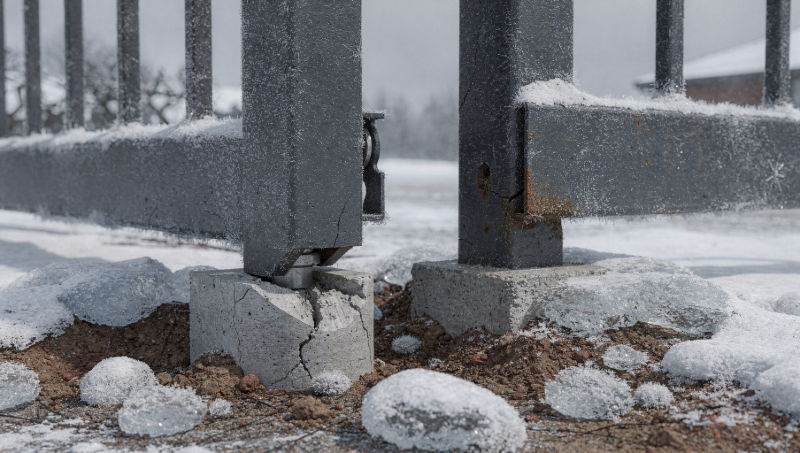
Hardware behavior also changes at low temperatures. Lubricants thicken or fail to perform as expected. Metal components contract, altering the fit between hinges, pins, and bushings. Tolerances that worked in September may not work in January.
What makes cold-weather alignment problems difficult to diagnose is that the gate may appear visually straight. The issue is not necessarily a bent leaf or obviously displaced post. Instead, the problem often lies in out-of-tolerance conditions that only become apparent when the gate moves under load, when ice adds friction, or when ground movement has shifted clearances by fractions of an inch.
These subtle changes stress automatic operators and make manual operation harder. Gates bind at specific points in their travel. Operators fault because they encounter resistance the control system interprets as an obstruction.
What Consistent Alignment Means for Commercial Stakeholders
For commercial properties in Northern Nevada, consistent gate alignment in cold weather has implications across several operational dimensions.
Reliability is the most immediate concern. Misaligned gates are more likely to stick, stall, or fail to fully close when temperatures drop. Combined with ice buildup or drifting snow, these conditions interrupt vehicle flow and create unpredictable access for tenants, staff, and contractors.
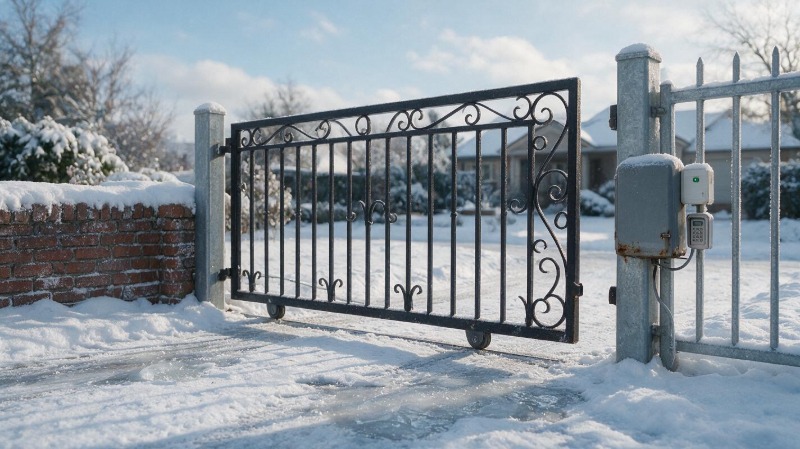
Safety and liability considerations also apply. Gates that bind or close inconsistently increase the chance of partial closure, unexpected movement, or forced operation. In multi-tenant and shared access environments, misalignment can contribute to pinch points, impact risks, or gates being left unsecured when they should be closed.
Durability and lifecycle performance are directly affected. When hinges, rollers, guides, and operators work against misaligned geometry, wear accelerates. Components reach end of life sooner. Structures experience fatigue at welds, posts, and connection points due to repeated stress under cold-weather loads.
Long-term cost follows from these durability issues. Isolated repairs can restore function temporarily, but unresolved alignment problems in a freeze-thaw climate tend to generate recurring service calls, operator faults, and hardware replacement. Over time, this increases lifecycle cost compared with maintaining stable alignment through seasonal changes.
Usability matters for everyone who interacts with the gate. Staff, tenants, and contractors expect gates to open and close consistently, regardless of overnight temperature changes or snowfall. Misalignment in winter creates workarounds, delays at access points, and reliance on manual intervention that complicates site operations.
Boundary perception is relevant for commercial sites where controlled access and clear perimeter definition are part of operational discipline. A gate that hangs, drags, or fails to meet its latching point affects how secure and orderly the perimeter appears. Visible misalignment can undermine confidence in the access control arrangement.
Common Misunderstandings About Cold Weather Gate Performance
Several patterns of misunderstanding contribute to persistent alignment problems in cold weather.
One common belief treats alignment as primarily a cosmetic issue. Stakeholders assume a gate that looks straight is properly aligned, even when hardware is under uneven load or operators are straining at specific points in the travel path. The visual appearance of the gate does not reveal what is happening at the hinges, rollers, or latch interface during operation.
Another assumption holds that once a gate is installed and working, it will remain stable indefinitely. In climates with regular freeze-thaw cycles, this overlooks soil movement, hardware wear, and changing clearances as temperatures fall. Gates are not static systems. They respond to environmental conditions over time.

When automatic gates fault in winter, there is a tendency to blame only the operator or access electronics. Troubleshooting often focuses on the control board, limit switches, or power supply. In practice, underlying misalignment, binding due to ice, or altered gate geometry frequently drives the fault behavior. The operator is responding to a physical condition, not generating the problem independently.
Small grade or pavement changes near the gate line are often dismissed as irrelevant. Minor settlement, changes in plow patterns, or compacted snow buildup can seem insignificant. In reality, even modest shifts affect dragging, roller alignment, or clearance once ice and snow are present.
Older practices accepted seasonal binding or relied on ad-hoc fixes such as shimming, bending, or latch adjustments instead of addressing structural or foundation issues. While these approaches are still seen on legacy installations, current expectations around access control reliability and reduced liability have made persistent misalignment less acceptable on active commercial sites.
How Misalignment Appears During Cold Weather Operations
On commercial sites, misalignment typically presents in recognizable patterns during cold weather.
Gates become progressively harder to latch or require extra force to close after overnight freezes. What started as a minor inconvenience in fall becomes a daily problem by midwinter.
Automatic gates stop short, reverse, or fault at specific positions because the gate is binding against posts, tracks, or grade. The operator senses resistance and responds according to its safety programming, but the root cause is geometric, not electronic.
Rollers and hinges show uneven wear or noise due to loading on one side of the travel path. Inspection reveals that components on one side are worn significantly more than the other, indicating that the gate has been traveling off-center or under asymmetric load.
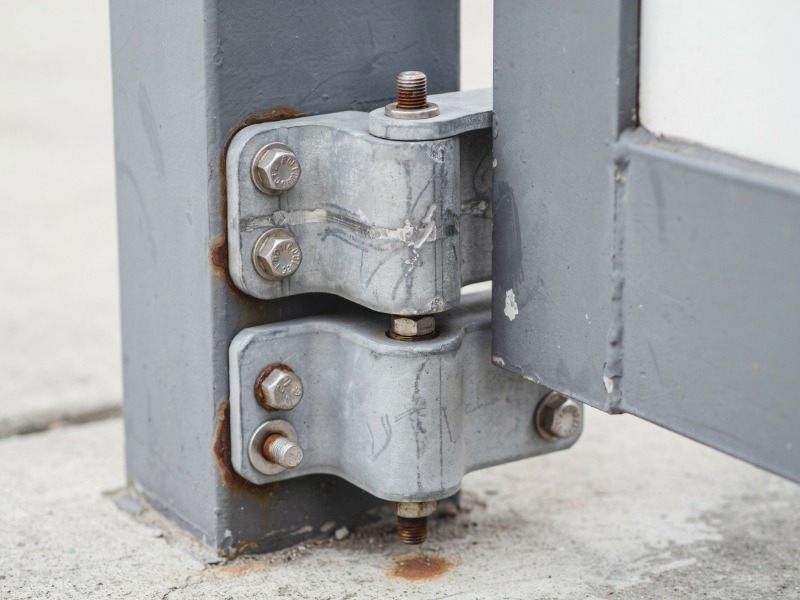
Gates drag on concrete pads, asphalt, or compacted snow, especially where minor settlement or grade changes have occurred near the opening. The drag creates resistance that the operator must overcome, accelerating wear on drive components and potentially causing faults.
These behaviors create recurring winter headaches for property managers, operations teams, and tenants who depend on consistent access. Each incident requires attention, whether that means a service call, manual intervention, or a temporary workaround that disrupts normal traffic flow.
Connecting Alignment to Commercial Fence and Gate Repair
Questions about cold-weather gate alignment frequently arise during commercial fence and gate repair discussions, site inspections, and coordination meetings. Property managers and general contractors want to understand what is driving repeated operational issues and whether repairs will hold through the next winter season.
Experienced Nevada contractors like A1 Fence LV are asked to evaluate how existing gates are performing through winter conditions on Reno-area properties. These evaluations consider not just the immediate symptom, such as a faulting operator or a gate that will not latch, but the underlying geometry, footing conditions, and hardware tolerances that determine whether repairs will provide lasting stability.
For teams coordinating commercial projects in Northern Nevada, understanding the relationship between alignment and cold-weather performance helps frame repair decisions in terms of long-term reliability rather than repeated seasonal fixes.
Viewing Winter Gate Behavior as a System Indicator
Consistent gate alignment in cold weather is not a minor detail. It is a structural and operational condition that shapes reliability, safety, and lifecycle performance in a freeze-thaw environment.
Winter gate behavior serves as an indicator of how well the system tolerates seasonal movement and weather. Gates that bind, drag, or fault when temperatures drop are signaling that something in the relationship between leaf, posts, hardware, and foundation is out of tolerance.
Some uncertainty will remain where soil conditions, traffic patterns, and snow events vary from season to season. Not every alignment issue can be eliminated permanently. However, understanding what drives cold-weather problems allows commercial stakeholders to make informed decisions about repairs, maintenance schedules, and system upgrades.
For commercial properties in Reno and surrounding Northern Nevada communities, addressing alignment at the structural level reduces the cycle of recurring winter service calls and creates more predictable access conditions for everyone who uses the site.
If you are evaluating gate performance on a current project or reviewing options for an existing installation, you can request a quote online at https://a1fencelv.com/request-a-quote. For direct coordination, reach Zachary Thompson at 775-451-3328 or zac@a1fencelv.com. Submitting the online request form is the simplest starting point for teams ready to move forward.