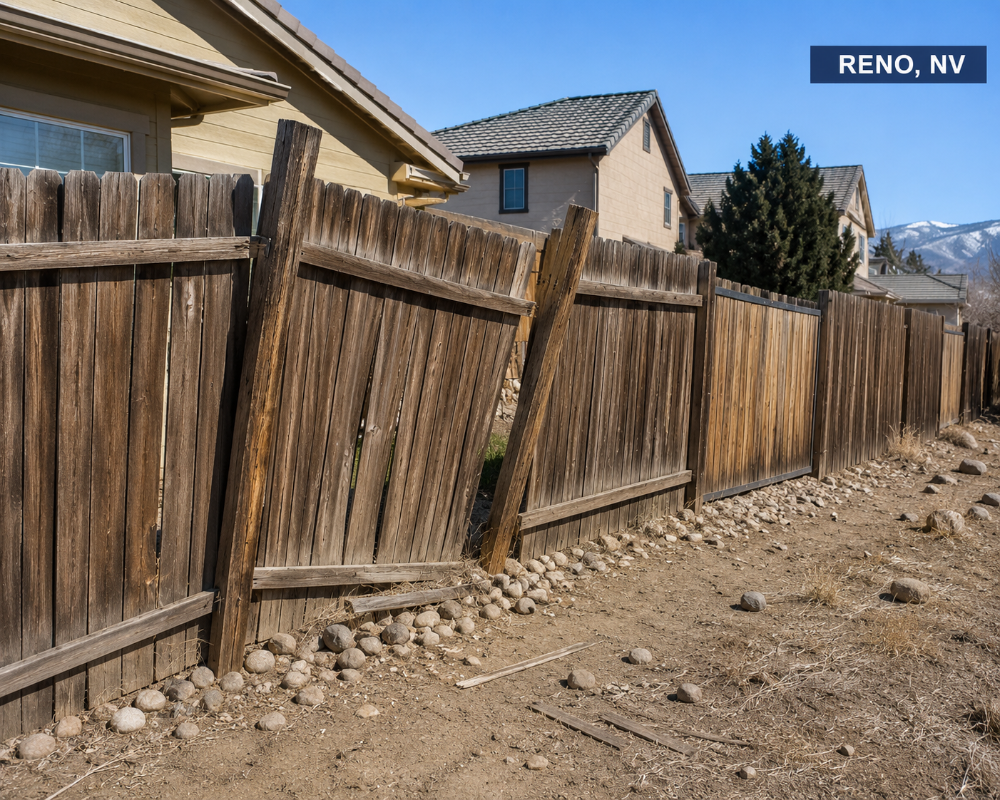
A residential fence typically needs repair or replacement when it stops doing its basic jobs: staying upright through Reno’s seasonal weather, keeping kids and pets contained, and providing reliable privacy without constant fixes. When you start seeing repeated leaning, loose posts, panels that shift after every winter, and gates that no longer swing or latch properly, those are signs the fence is wearing out beyond what a quick touch-up can address.
Understanding what to look for helps you decide whether targeted repairs make sense or whether the fence has reached the point where replacement is the more practical path forward. For homeowners navigating these decisions, A1 Fence LV works with residential properties throughout Reno and Northern Nevada where age, weather, and original installation quality all show up in how a fence behaves over time.
When Normal Aging Becomes Structural Fatigue
Most homeowners expect a fence to last for years without much attention, so it can be surprising when posts start moving, panels shift, or boards begin failing after seasons of freeze-thaw cycles and wind exposure. The reality in Reno is that ground movement, moisture, and temperature swings put steady stress on every part of a fence structure. What looks like minor wear one year can develop into something more serious the next.
A fence is working properly when it stands straight, feels solid when you push against it, keeps its boards or panels tight, and allows gates to swing and latch smoothly. When any of those basics start slipping, it is worth paying closer attention.
Seasonal conditions here are harder on fences than many people realize. The ground freezes and thaws repeatedly through winter, which can shift post footings over time. Wind loads push on entire fence runs, and moisture followed by drying sun works on wood and metal hardware alike.
The weak spots tend to show up first in specific ways. You might notice one section starting to lean, posts that feel soft or loose at the base, boards that crack or develop rot near the bottom, or hardware that rusts and loosens. Gates often become the first obvious problem, dragging on the ground or refusing to latch without lifting and shoving.
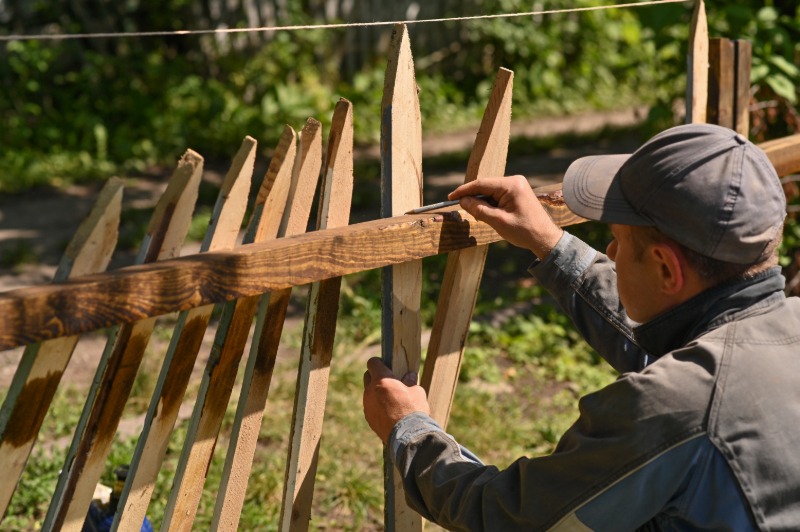
Repair work usually targets these specific issues in a limited area. Replacement becomes more realistic when multiple problems appear together across the fence line, or when the same sections keep failing despite past repairs.
The distinction matters because putting money into a fence that is structurally tired often means repeating the same work season after season. Recognizing when a fence has crossed from normal aging into broader fatigue helps you make better decisions about where to put your maintenance budget.
What Homeowners Actually Experience Day to Day
For most homeowners, the clearest signs of fence trouble show up in everyday use rather than during a careful inspection. The gate that used to swing freely now scrapes the ground every time you open it. The latch that clicked into place without effort now requires lifting the gate and forcing it closed. A section of fence that stood straight for years has developed a visible lean that gets worse after each winter.
These day-to-day frustrations often point to underlying structural issues. A dragging gate usually means the post supporting it has shifted or the hinges have loosened under repeated stress. A leaning section suggests the posts in that area are no longer holding firm in the ground, whether from frost heave, moisture damage, or age-related deterioration.
Reliability in a Reno climate means the fence holds up through wind, snow, and summer heat without constantly needing attention. When the same problem areas keep failing year after year, it signals that spot repairs are no longer enough to keep the fence functional.
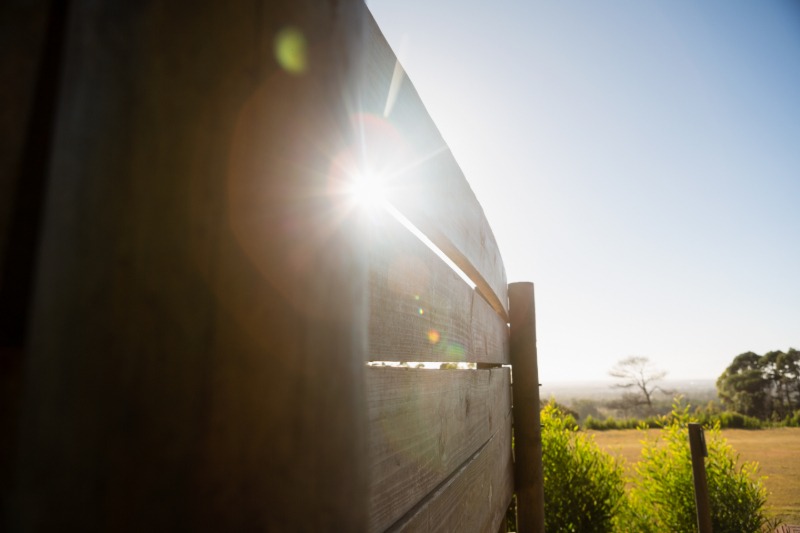
Safety is another practical concern. A fence that leans significantly, has loose or broken sections, or includes gates that will not close reliably can become a real problem, especially in yards where children or pets play. If you cannot trust the fence to contain a dog or keep a child from wandering into the street, that is a sign the structure has moved beyond cosmetic wear.
Long-term cost is tied less to any single repair bill and more to whether you are repeatedly spending on the same sections as the fence ages. Each season of leaning and heaving shortens the benefit you get from piecemeal work. At some point, the math shifts toward replacement.
Appearance matters too. Warped boards, mismatched materials from past repairs, and sections that bow or dip instead of running straight can bother homeowners even when the fence technically still stands. Privacy and curb appeal both suffer when a fence looks tired and neglected.
Common Misunderstandings About Fence Lifespan and Repair
Many homeowners assume a fence should last indefinitely with little maintenance, so they are caught off guard when posts move or boards start failing after years of seasonal weather. The idea that a fence is either fine or completely shot leaves out the middle ground where structural issues are developing even though the fence still stands upright most of the time.
One common belief is that if the fence is still vertical, it must be working. In reality, posts can be loose at the base, panels can be shifting, and gates can be barely functional even when the fence looks mostly intact from a distance. Waiting until the fence is obviously falling over often means missing opportunities for more affordable repairs earlier in the process.
Some homeowners expect that switching to a different material will eliminate maintenance altogether. Every fence material has tradeoffs in a climate with snow, moisture, and temperature swings. Wood moves and can rot if moisture gets trapped. Metal hardware rusts. Vinyl can become brittle in extreme cold. No material is truly maintenance free over the long term.
Others jump straight to full replacement as soon as the fence looks rough, without recognizing that some problems are mostly cosmetic while others are structural. A few cracked boards or faded stain does not necessarily mean the entire fence needs to come down. At the same time, ongoing structural movement in the posts usually signals a deeper issue that will keep affecting any repairs you make.
There is also confusion between replacing one problem section and replacing the full fence line. Partial replacement can work well when one area has failed while the rest remains solid. But if the entire fence is the same age and showing similar wear, replacing just one section often leaves you with mismatched materials and a mix of old and new that may not hold up evenly over time.
How These Issues Show Up in Reno Neighborhoods
In everyday Reno neighborhoods, fence problems often appear first in one corner of the yard where snow piles up, water sits longer, or wind hits hardest. A homeowner might notice one post starting to lean, then a year or two later see the lean spread along the run as adjacent posts lose their footing.
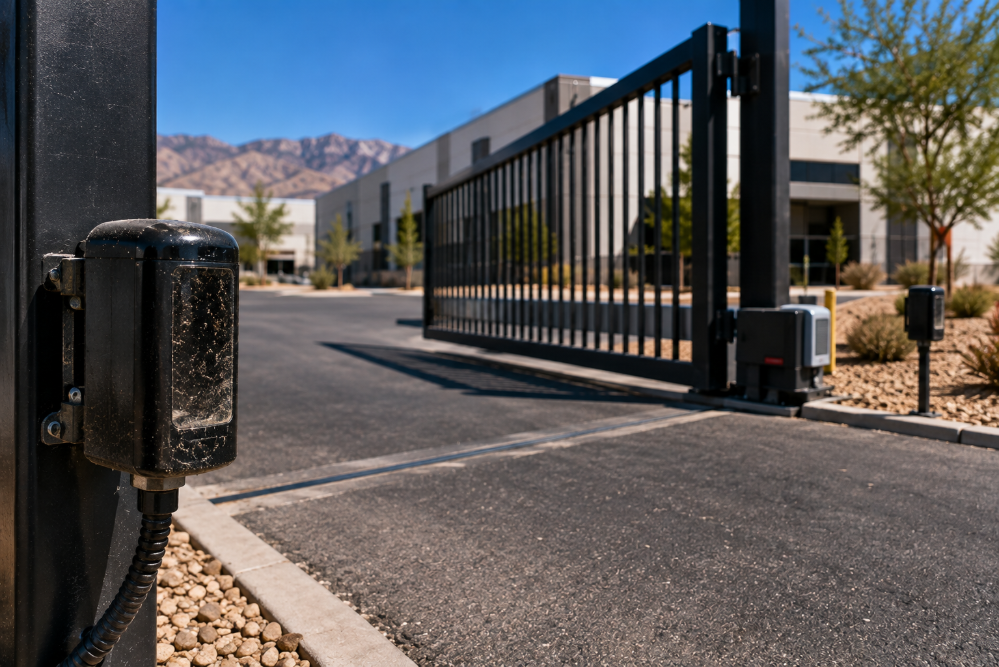
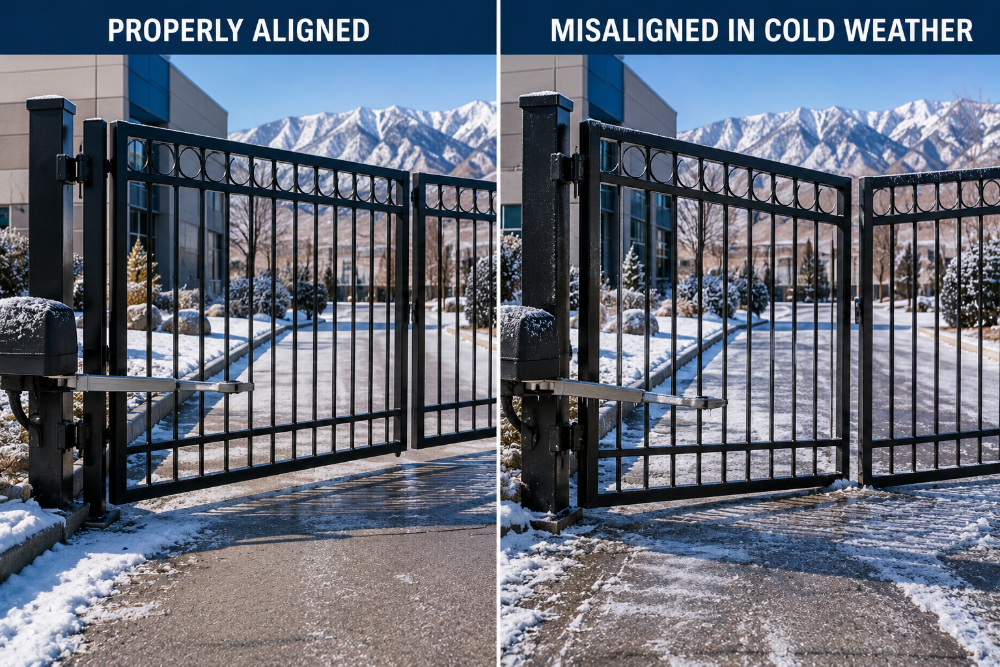
Gates are often the first obvious failure point. They might work fine for years, then start dragging on the ground in winter when the ground shifts. Some gates only latch if you lift them and shove them into place, which gets old quickly when you are carrying groceries or trying to keep a dog from slipping out.
Boards can feel spongy near the bottom where moisture collects, crack in spots that stay damp, or pop loose when pushed. Rot tends to develop where water sits rather than drains away, and in areas where snow piles against the fence through winter.
Repairs can tighten things up for a while. Resetting a loose post, replacing a few rotted boards, or tightening gate hardware can buy time. But if the fence is older or the structure is generally tired, the same or new weak spots tend to return with each season.
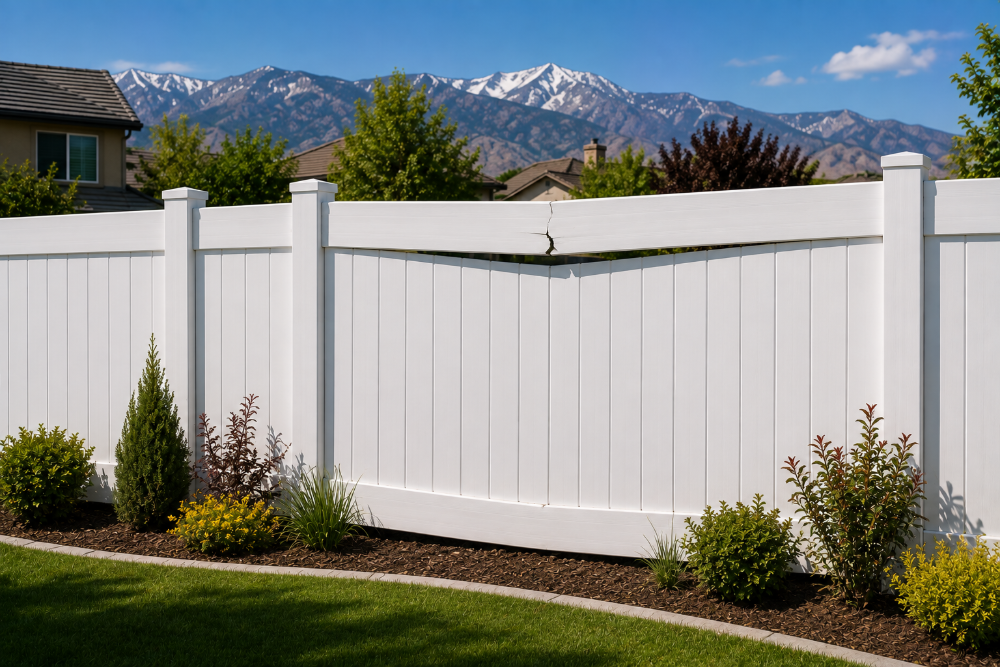
Visually, an aging fence often shows a mix of old and new materials from past repairs, areas that bow or wave instead of running straight, and sections where the top line dips or rises as posts move at different rates. That uneven appearance can bother homeowners even when the fence is still mostly functional.
Questions about whether a fence needs repair or full replacement usually come up when homeowners start talking with professional fence contractors about leaning lines, failing gates, or recurring problem sections. In Reno and nearby Northern Nevada communities, A1 Fence LV sees these conditions regularly and is familiar with how local weather and soil movement show up in older residential fences.
Making Sense of What Your Fence Is Telling You
Looking at how your fence behaves through seasons rather than just how it looks on a good day makes it easier to tell whether you are dealing with normal aging that can be patched or broader wear that points toward replacement. Seeing leaning posts, repeated movement, and ongoing gate issues as signs of structural fatigue helps reset expectations away from the idea that a fence should last forever without attention.
A fence nearing the end of its useful life might accept one more repair, but the benefit you get from that work shrinks with each passing season of freeze-thaw and wind stress. When the same sections keep failing, when gates stop working reliably, and when the fence no longer feels solid under normal use, those are practical signals that the structure has reached its limits.
For homeowners in Reno dealing with these questions, A1 Fence LV brings experience from residential projects throughout Northern Nevada where seasonal conditions put real demands on fence materials and installation quality. The company was founded by Eli Maciel, a fencing professional with more than 35 years of industry experience, and serves homeowners who want straight answers about what their fence actually needs.
If you are evaluating your options and want a second opinion on whether repair or replacement makes more sense for your situation, you can request a quote online at https://a1fencelv.com/request-a-quote. You can also call 775-451-3328 or email ed@a1fencelv.com. Submitting the online request form is the simplest starting point for getting an estimate.