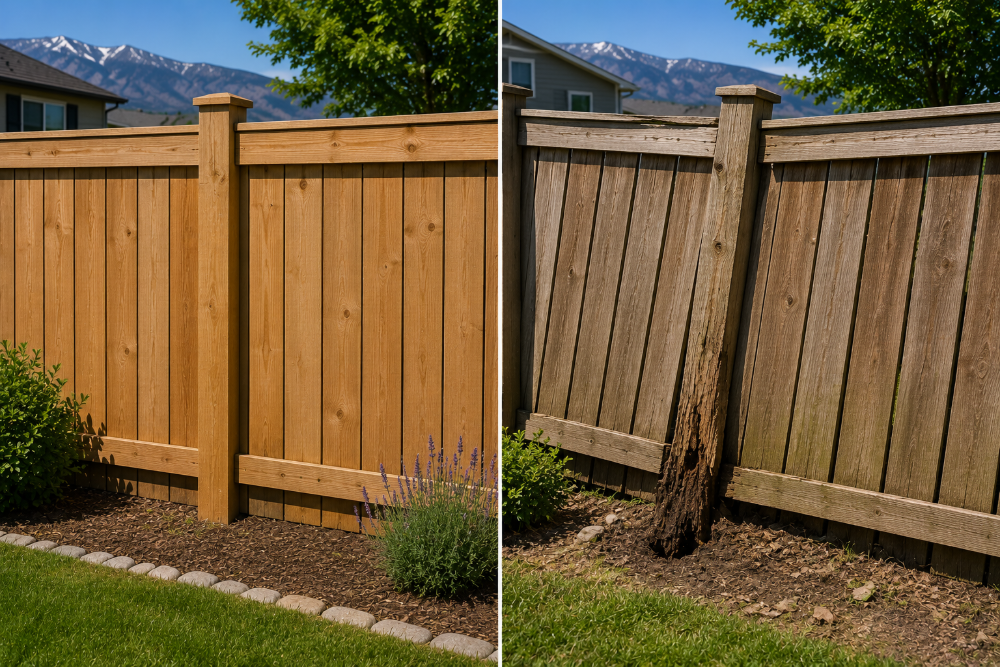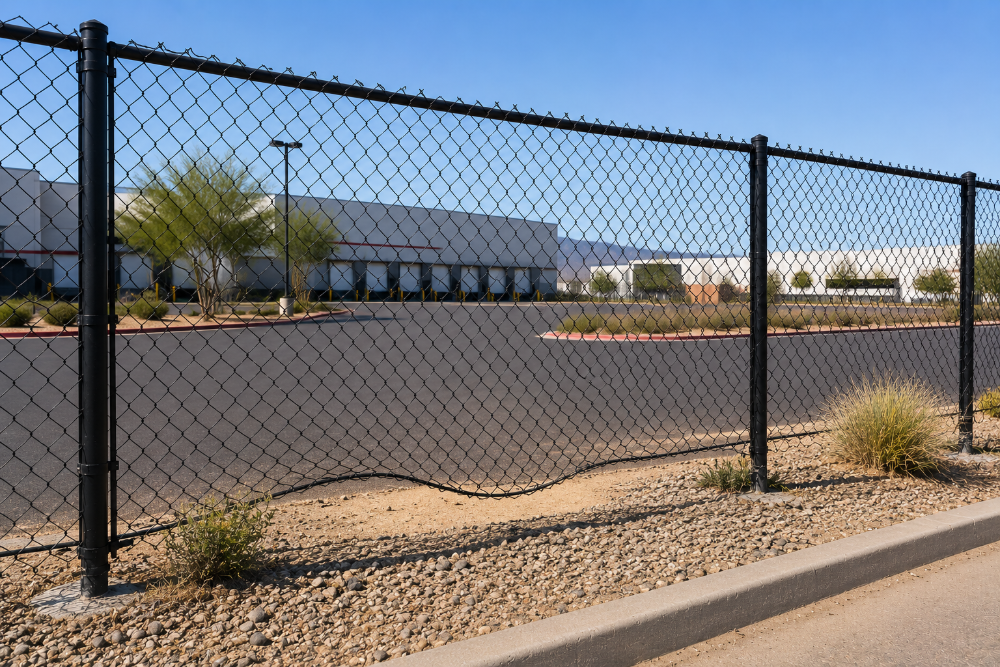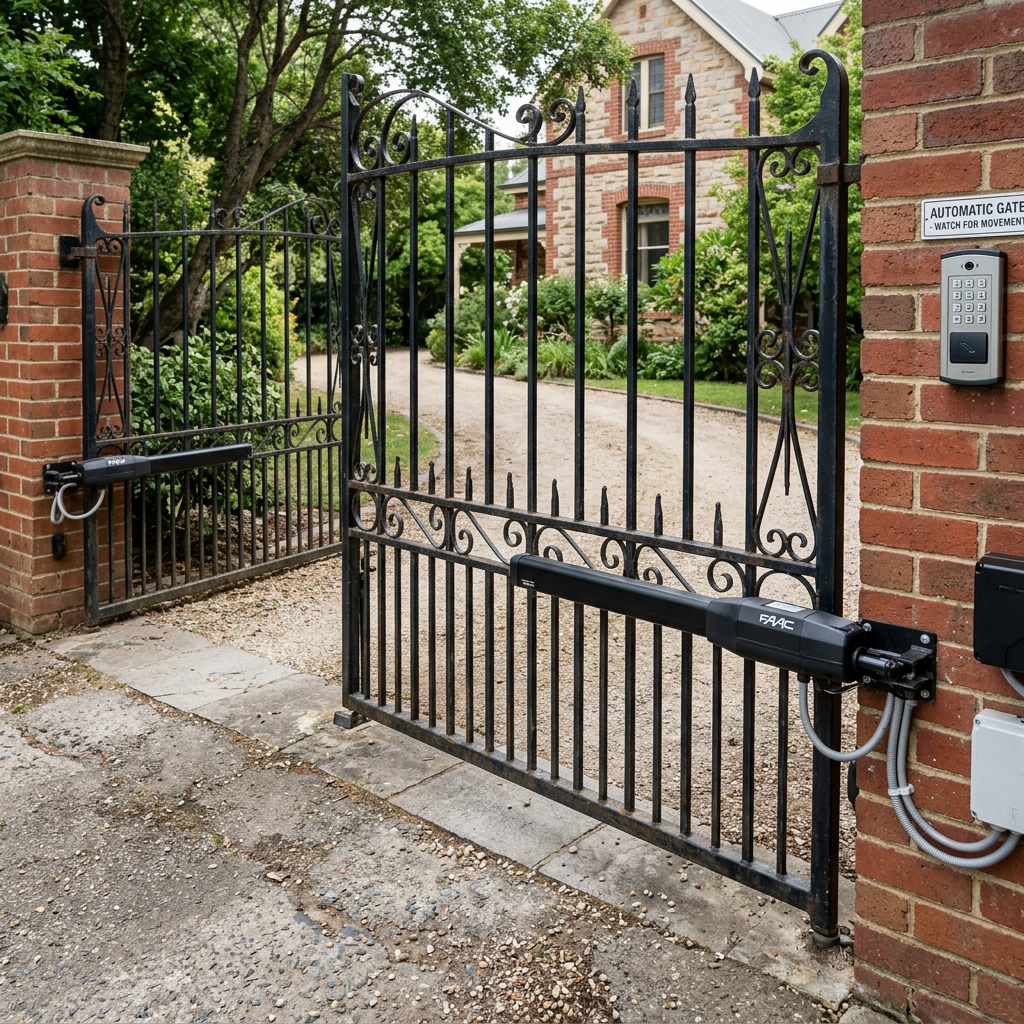
Many existing gates can be automated, but not every gate is a good candidate in its current form. The real deciding factors come down to how smoothly the gate moves, how sound the structure is, and how it behaves across Reno’s seasons. Automating a gate means treating it as a full system where the gate, hardware, operator, controls, and safety devices all work together.
Drawing on more than 25 years of field experience evaluating automatic gate systems for long-term performance in Northern Nevada conditions, I can tell you that the answer to this question depends far more on your specific gate than on the operator you choose. For a broader look at how automatic gates function as complete systems, A1 Fence LV provides context on what goes into reliable installations across the region.
The Real Question Behind Automation
If you have been opening and closing a heavy gate by hand for years, the appeal of automation is obvious. You want to stay in your vehicle, press a button, and let the motor do the work. The assumption is straightforward. The gate already moves, so a motor should just do the pushing for you.
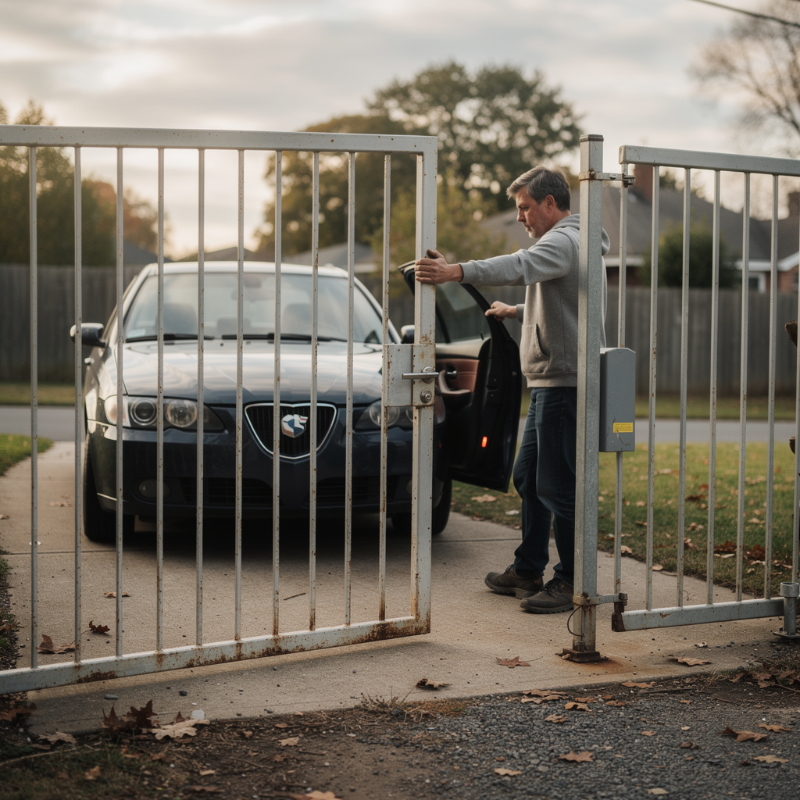
The frustration starts when reality does not match that expectation. The gate stops mid-cycle. It reverses for no clear reason. It worked fine in September but started dragging in December. These patterns are not random. They reflect what happens when a gate that was never designed for powered operation gets treated like it was.
There is also real uncertainty about whether your existing gate is good enough to automate or whether adding a motor will just create new problems. People worry about safety around vehicles, kids, and pets when a gate starts moving on its own. That concern is valid, especially when the original gate was built without automation in mind.
Understanding what automation actually involves helps set realistic expectations before any equipment gets installed.
What Automating an Existing Gate Actually Means
In practical terms, automating an existing gate means adding an operator, controls, and safety devices to a gate that is already built. It does not mean replacing the gate. It means converting it into a powered system that opens and closes on command.
A manual gate and an automatic gate system are not the same thing, even if the physical gate looks unchanged on the surface. Once an operator is attached, the gate no longer moves at a human pace or with human judgment. It applies force consistently and repeatedly, following the same motion every cycle.
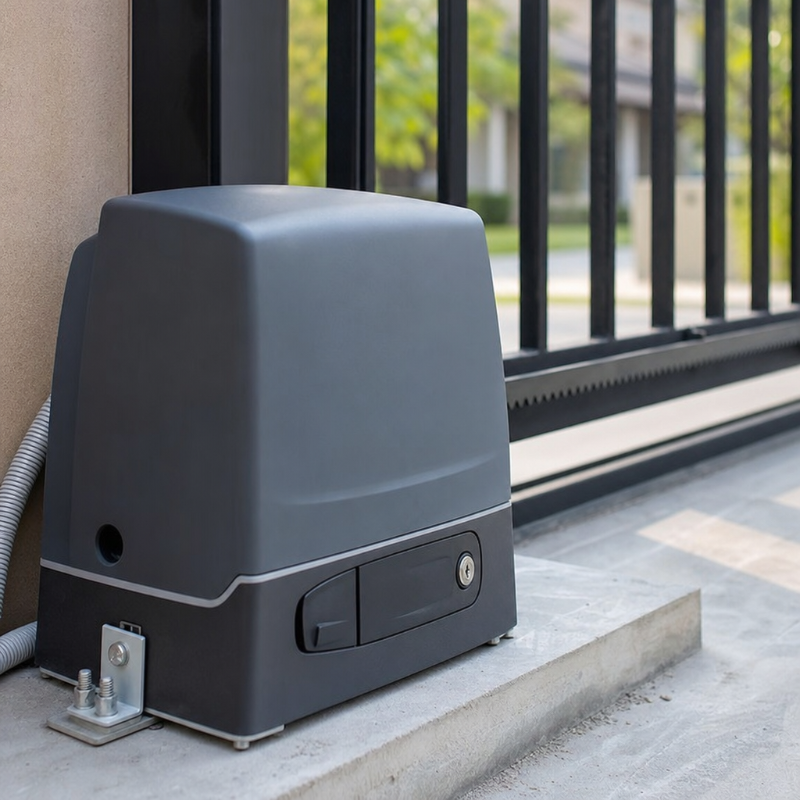
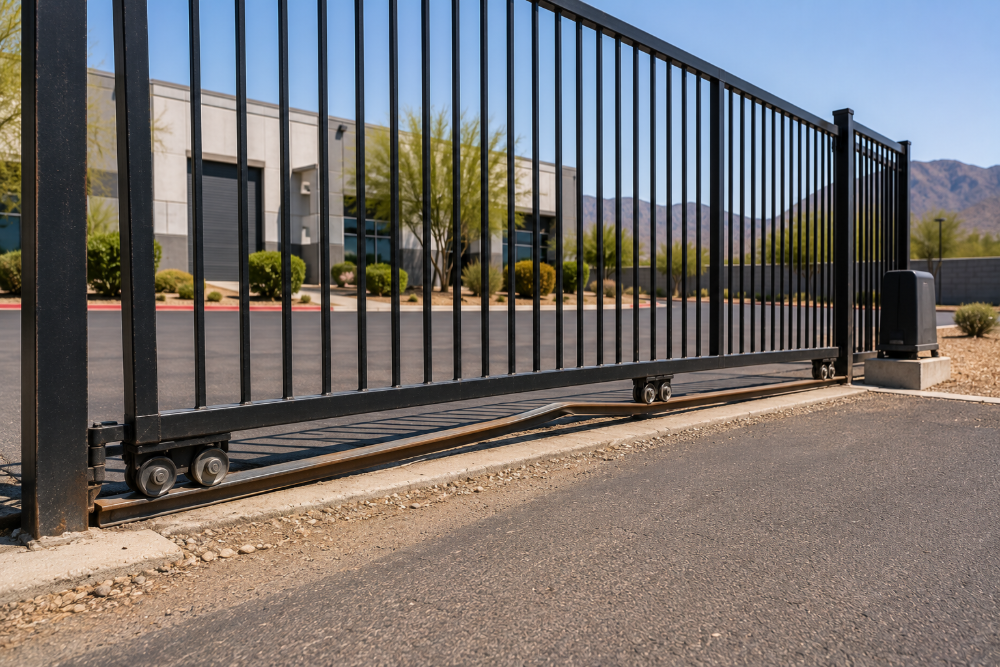
This is where problems show up. When you open a gate by hand, you unconsciously work around rough spots. You lift slightly to clear a high spot. You push a little harder at one point in the swing. You nudge the latch into alignment without thinking about it. An operator cannot do any of that. It drives the gate the same way every time, which means any issues in alignment, hinge wear, track damage, or post movement become part of every cycle.
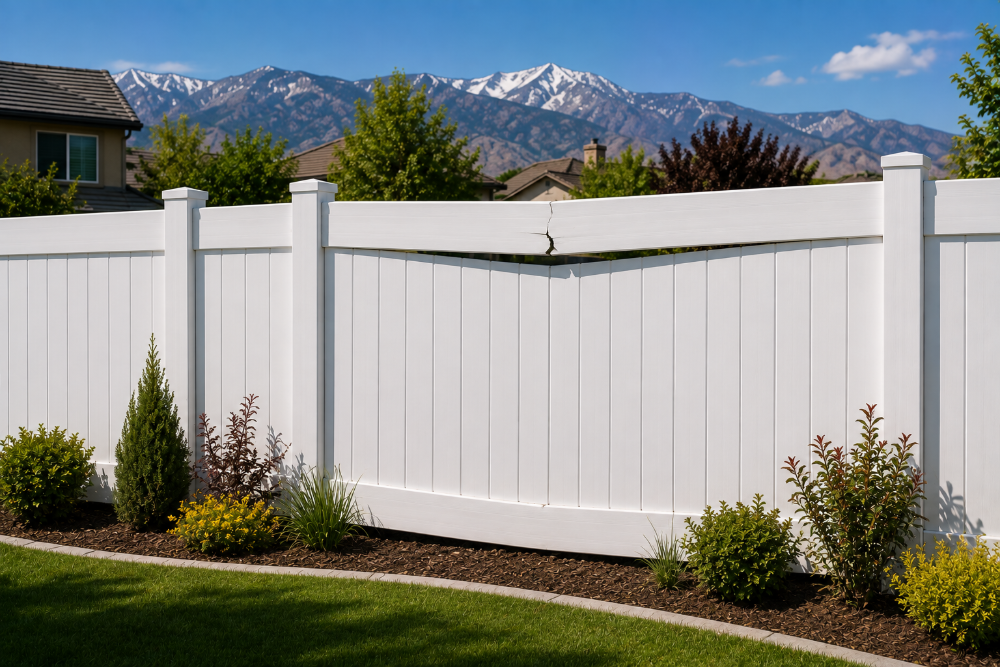
The main elements that determine whether a gate is a good automation candidate are gate alignment, post stability, hinge or roller condition, and how freely the gate moves. Gates that are square, plumb, and move without resistance tend to work more predictably once automated. Gates that sag, bind, or rack put extra load on the operator and connected parts from day one.
What Matters Most for Long-Term Performance
Reliability is the first thing most people care about, and it ties directly to how well the gate moves before any operator is installed. A gate that swings or slides freely and stays aligned is more likely to support predictable automatic operation over time. A gate that sags, binds, or hits the ground tends to produce more stoppages, faults, and service calls.
Safety is closely connected to the original design of the gate and fence. Where safety devices can be mounted and how well they can protect the travel path depends on the physical layout. Gaps between panels, overlap with fences, and nearby structures can create pinch points or spots where a moving gate and a person or vehicle could interact unexpectedly. When a gate moves on its own, these risks matter more than they did when it was hand-operated.
Durability is affected by how much stress the operator has to overcome. Poor gate structure or worn hardware increases strain on the operator and shortens the overall service life of both the operator and the gate itself. Running an operator against a warped frame or leaning post is not a long-term solution. It is a countdown to failure.
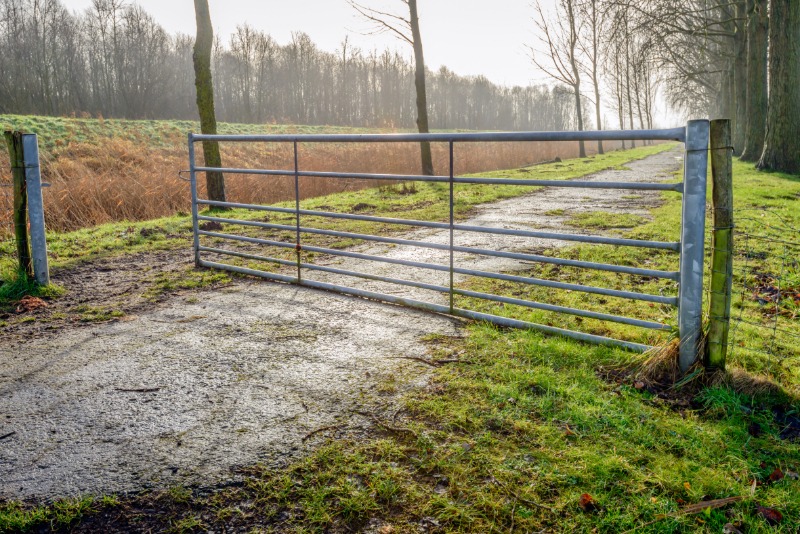
Long-term cost is driven less by the initial operator and more by how the overall system holds up. Choosing to automate a marginal gate without addressing movement or structural issues can lead to repeated service visits and higher lifetime costs, even if the initial upgrade is cheaper. Conversely, a gate that is structurally sound but older may still support reliable automation if its movement and support hardware are strong.
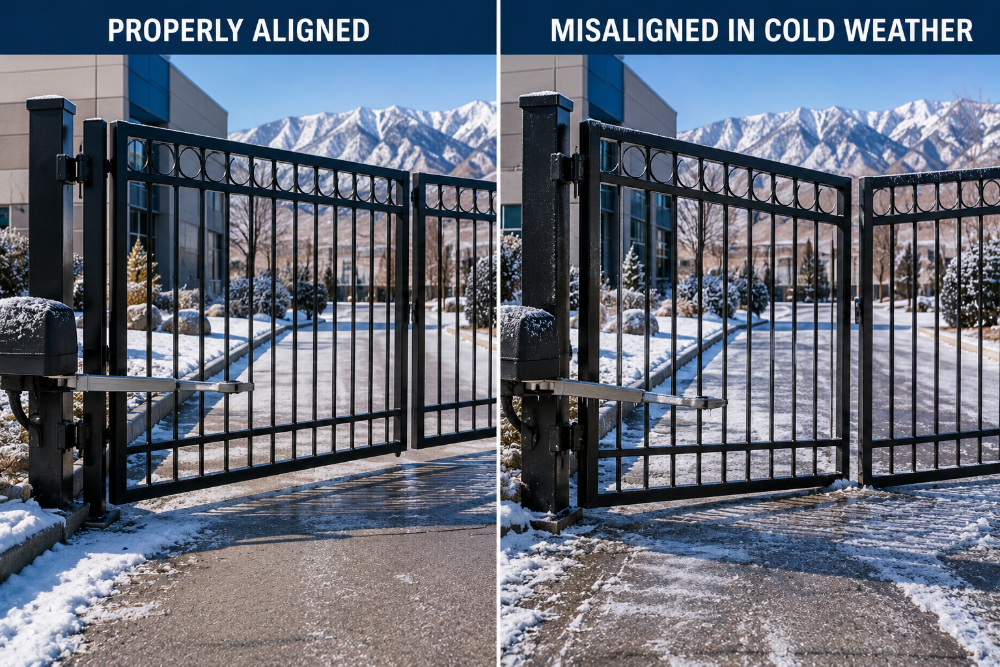
Usability comes down to whether the gate opens consistently in different weather, how it behaves in wind or snow, and how predictable it feels to use. In Reno, cold mornings, freeze-thaw cycles, and wind exposure all show up in daily gate behavior. If an existing gate already struggles in winter as a manual gate, automation will tend to magnify those issues.
Existing gate designs focused on privacy or solid panels can also increase wind load. That affects operator performance and behavior, especially during gusty conditions common in Northern Nevada.
Common Misunderstandings About Gate Automation
A common belief is that any sturdy-looking manual gate can be automated just by bolting on a motor. People see a heavy gate that has been working for years and assume it will handle powered operation the same way. In reality, powered operation exposes issues that were never obvious before because a person was unconsciously compensating for them.
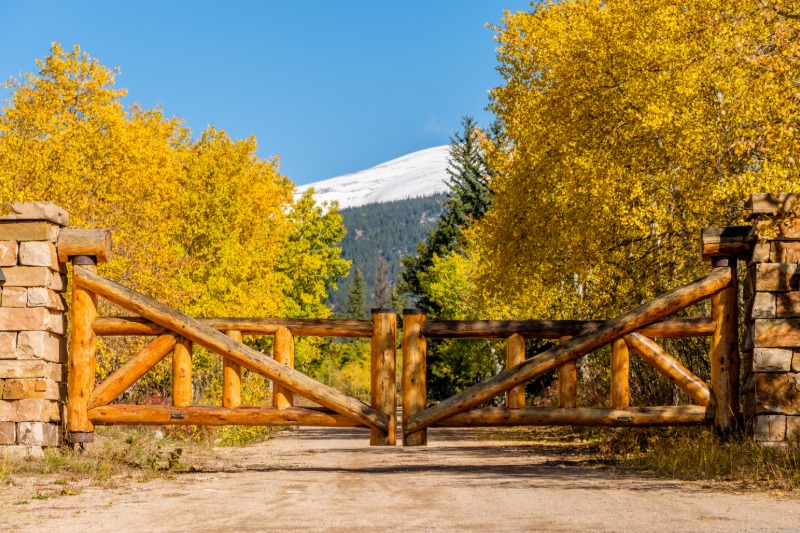
Another frequent assumption is that a stronger operator can solve problems like sagging gates, misaligned posts, or damaged tracks and rollers. In actual operating conditions, using an operator to overcome mechanical problems usually increases stress on both the operator and the gate structure. The operator is not a fix for structural issues. It is a component that depends on those issues being addressed first.
The set it and forget it mindset also leads to disappointment. Many people expect to install an operator and never think about it again. In practice, automated systems still respond to wear, ground movement, and weather. Small changes in the gate structure, hardware, or ground conditions can affect how the operator runs, how safety devices respond, and how reliably the system opens and closes. Without periodic attention, reliability is often lower than people expect.
There is also confusion between how a gate feels by hand and how it will perform under power. If a gate works fine when you push it, you might assume it will be reliable with an operator. But people work around tight spots and rough movement without realizing it. An operator cannot do that. It will hit the same problem every cycle until something fails or needs adjustment.
How This Shows Up in Reno Conditions
Day-to-day operation of an automated existing gate that was in good condition looks smooth. The gate starts and stops without jerking. It travels consistently. There is minimal noise or strain on the operator. The system opens when expected and closes reliably.
When marginal gates are automated, the patterns are different. The gate slows or stops at the same tight spot every time. It makes creaking or grinding noises. It reverses unexpectedly because the operator senses resistance it cannot overcome. These behaviors are not random malfunctions. They are the system telling you something about the gate itself.
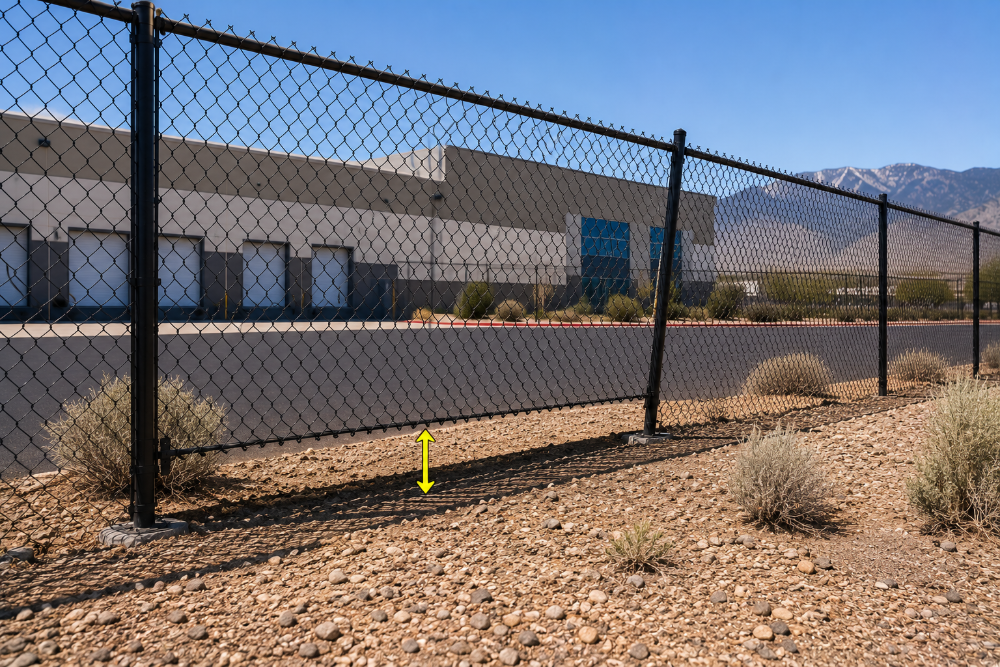
Reno’s cold mornings and freeze-thaw cycles can cause a gate that worked fine in fall to start dragging or hitting high spots in winter. Ground heave shifts posts and changes clearances at the bottom of the gate. Snow can drift into the path of slide gates. Ice can build up where gates want to travel. These conditions do not necessarily prevent automation, but they narrow the margin for error and expose weak points faster than milder climates would.
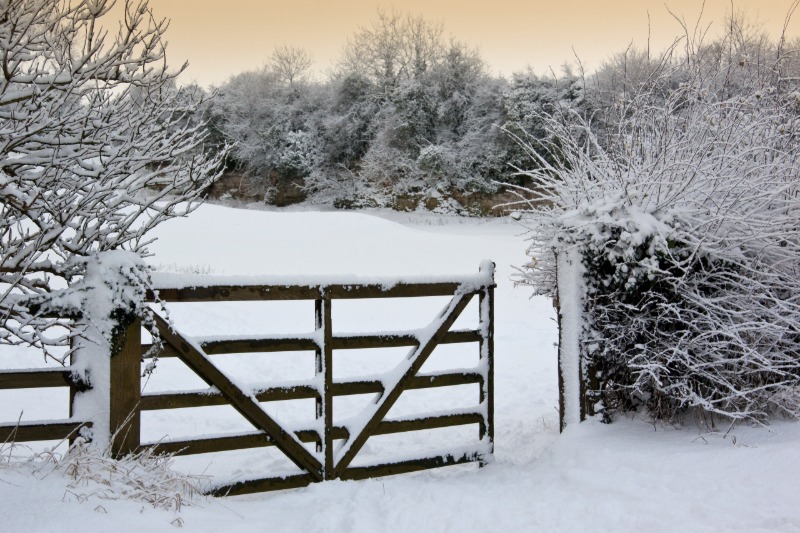
Typical maintenance realities include hinges or rollers needing attention, posts moving slightly over time, and clearances at the bottom of the gate changing with ground movement or snow. If you have noticed your gate behaving differently in cold weather as a manual gate, those patterns will continue once it is automated. The difference is that now they affect the operator and safety system too.
Thinking About Your Gate as a System
The core question is not simply whether a motor can be installed. It is how your particular gate will behave once it is automated and used every day. That depends on the structure, the movement, the environment, and the safety layout all working together.
Some gates will adapt to automation with minimal changes. Others will show their weak points quickly once they are run under power. There is no universal answer because every gate is different.
Questions about automating an existing gate usually come up when people are talking with an automatic gate specialist about operators, safety devices, and how their current gate will behave once it is powered. In a climate like Reno’s, those conversations tend to focus on seasonal performance and long-term reliability rather than just equipment selection.
Determining if an existing gate supports automation requires looking past the motor to the gate itself. Factors like total weight, frame integrity, travel smoothness, and alignment dictate how reliably the powered system will function. The gate’s current state is the foundation for everything that follows.
Zachary Thompson, the automatic gate specialist at A1 Fence LV, brings over 25 years of field experience spanning fabrication, installation, and access control. His background in Nevada’s demanding environments provides a practical perspective on evaluating systems for mechanical performance, safety, and long-term durability under power.
A1 Fence LV partners with property owners throughout Northern Nevada to analyze site conditions and identify structural limitations. The goal is to build a system capable of handling Reno’s seasonal shifts and daily wear, ensuring automation is a functional upgrade rather than just a motor attached to a struggling gate.
If you are exploring access options or assessing your gate’s potential for automation, an online quote request is the most direct first step. You can start the process at https://a1fencelv.com/request-a-quote. To discuss a specific project, Zachary Thompson is available at (775) 451-3328 or zac@a1fencelv.com. A site-specific evaluation helps clarify which solutions best fit your property and long-term reliability needs.