There is no single fence material that handles Reno wind perfectly. The fences that perform best over time are those where the design, structure, post setting, and maintenance are matched to local conditions. Strong gusts, dry stretches, winter moisture, and freeze-thaw movement all stress fences in different ways.
Solid privacy fences catch more wind and need stronger structure and more attention over time. More open designs generally handle gusts more easily but sacrifice some privacy. Understanding these tradeoffs helps set realistic expectations for any residential fence project in Northern Nevada.
How Reno’s Climate Stresses Residential Fences
Reno sits in a high desert environment with four distinct seasons. That means fences face a combination of strong, gusty winds, temperature swings, snow, and freeze-thaw cycles throughout the year. Each of these conditions works on fence materials and structure in ways that build up over time.

Wind does not damage most fences in a single event. Instead, repeated gusts push on panels and posts, slowly loosening connections and working posts back and forth in the soil. This happens gradually, so a fence that looked fine last year might start leaning after a few more storms.
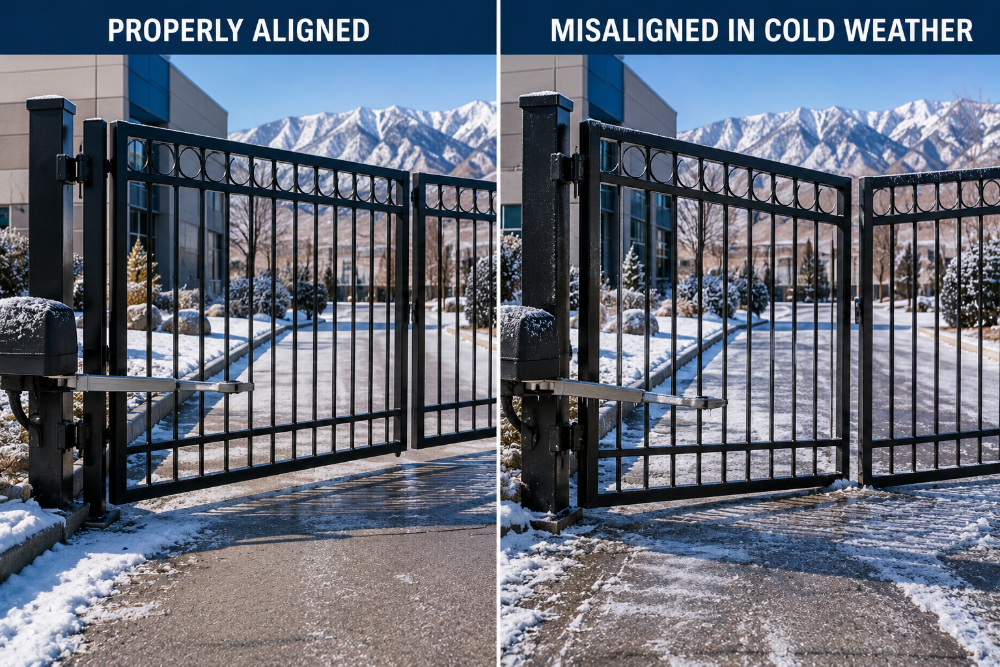
Moisture plays a role even in a dry climate. Snowmelt, irrigation, and occasional rain can keep soil damp around post bases. When temperatures drop, that moisture freezes and expands, then thaws and contracts. This freeze-thaw cycle shifts the soil and can push posts out of alignment over several seasons.
Temperature variation also matters. Materials expand in summer heat and contract in winter cold. Over years, this constant movement can loosen fasteners, crack panels, and stress joints. Fences in exposed yards with little wind shelter take the most direct impact from all of these conditions.
Understanding how these factors combine helps explain why the same fence material might last longer in one yard than another. Exposure, soil conditions, and how well the fence was built all influence long-term performance.
How Solid and Open Fence Designs Handle Wind Differently
The amount of wind pressure a fence absorbs depends on how solid its surface is. A solid privacy fence, whether wood or vinyl, blocks airflow almost completely. That means the full force of a gust hits the panels, posts, and rails.
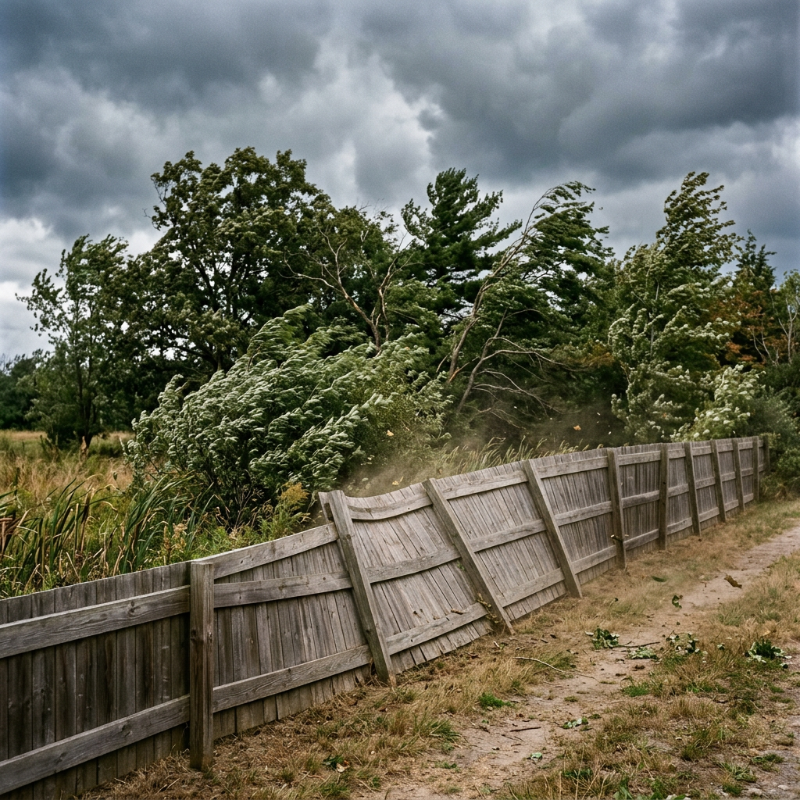
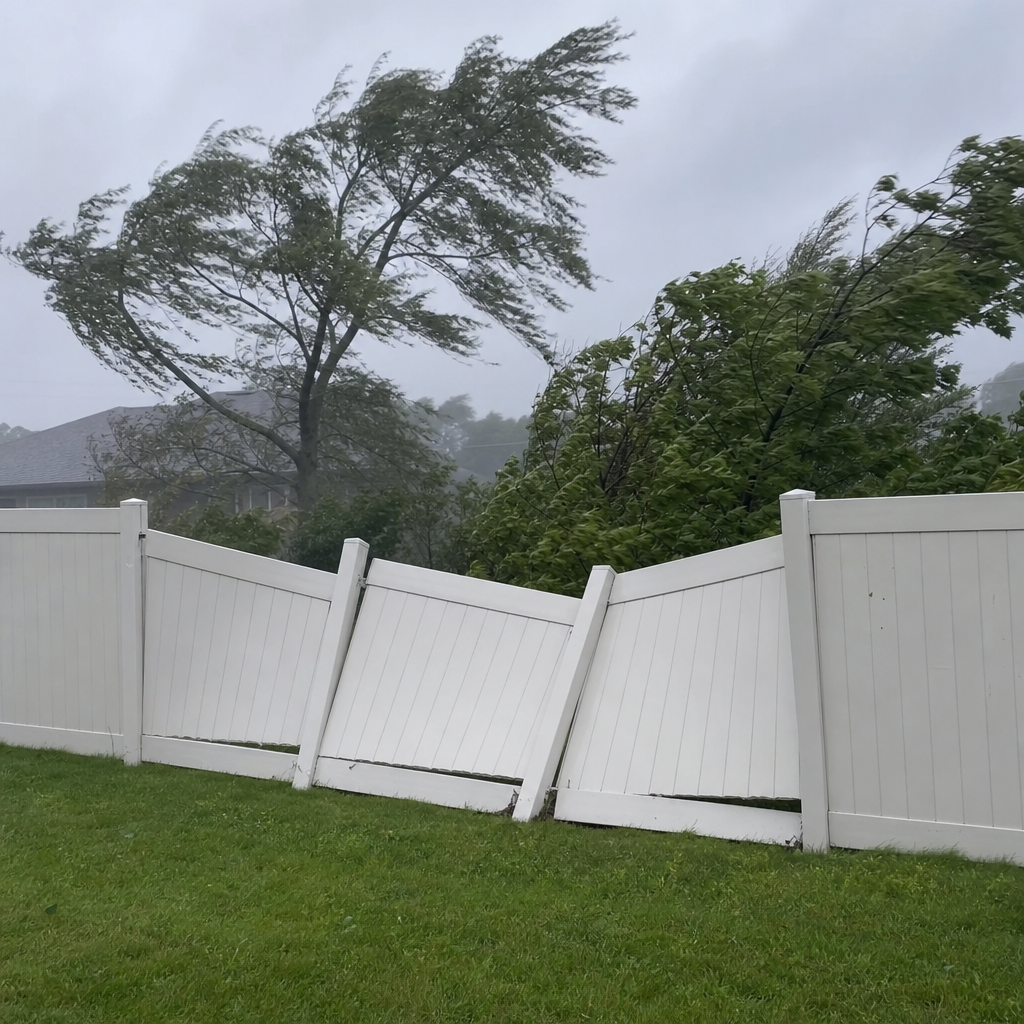
When wind pushes against a long, unbroken section of solid fencing, the pressure transfers down through the rails and into the posts. The posts and their footings carry that load. If the posts are set shallow, the soil is loose, or the hardware is aging, the fence can lean, rack, or lose panels during stronger storms.
Taller fences catch even more wind. A six-foot privacy fence presents a much larger surface than a four-foot fence. This does not mean tall fences always fail, but it does mean the underlying structure needs to account for that added load.
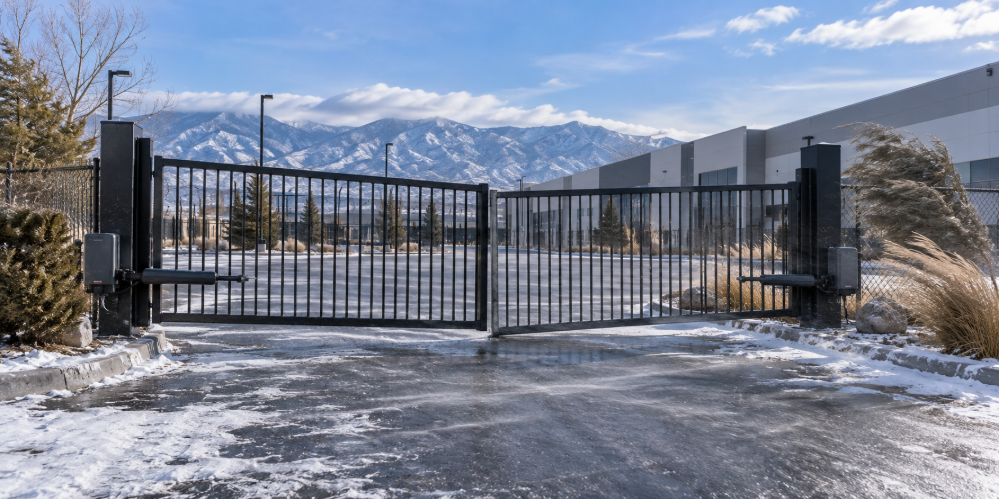
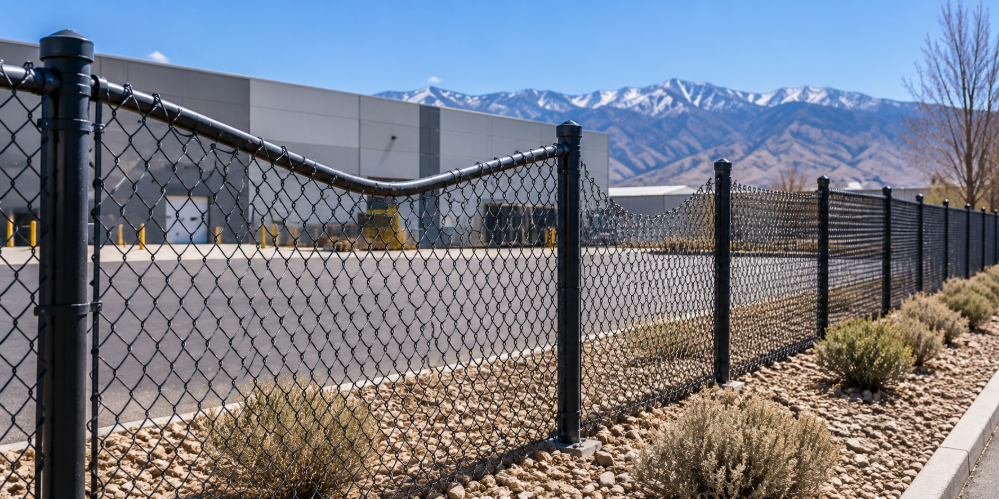
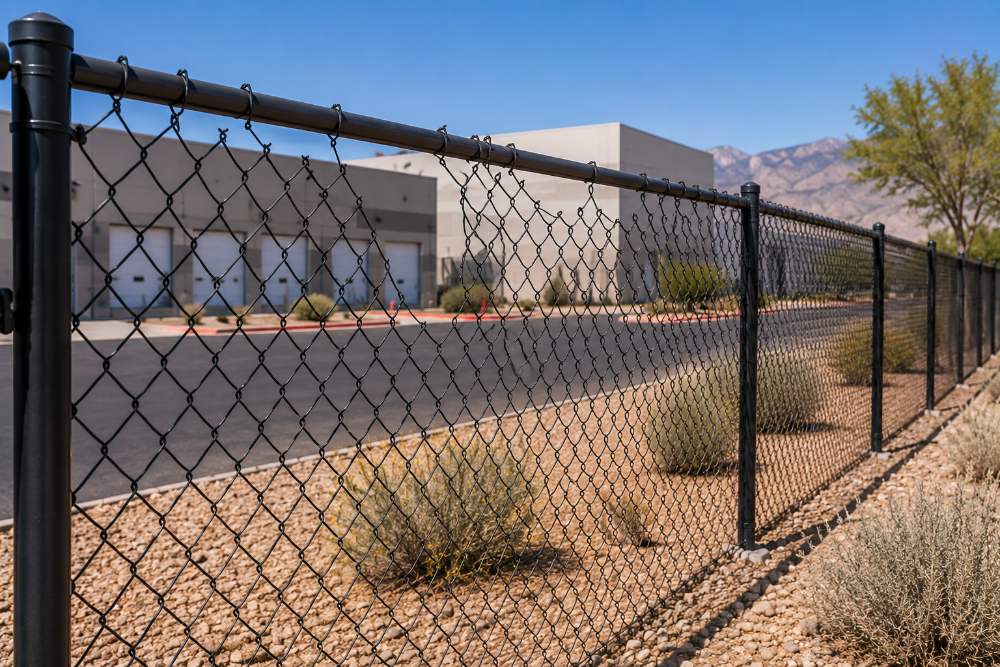
More open designs work differently. Chain link, ornamental metal with gaps between pickets, and wood styles with spaced boards allow wind to pass through instead of catching it. This reduces the total pressure on posts and hardware.
Open fences are often more forgiving in gusty conditions. They flex and move with the wind rather than resisting it. The tradeoff is privacy. A fence that lets wind through also lets eyes through. For homeowners who prioritize screening, this presents a real decision point.
Fence design plays a major role in how much wind pressure the structure has to resist. The Chain Link Fence Manufacturers Institute’s wind-load guidance accounts for the percentage of open area in fence fabric when calculating wind forces, which helps explain why more open fence designs generally place less wind load on posts and framework than solid surfaces.
Some designs try to balance both. Partial openings, alternating board patterns, or shorter solid sections broken by gaps can reduce wind load while still providing some screening. These options are worth considering for lots with high wind exposure.
How Wood, Vinyl, and Metal Fences Age in Reno’s Climate
Each material has specific ways it responds to wind, moisture, and temperature variation. None is maintenance free, and all have limits under Reno’s seasonal conditions.
Wood remains the most common choice for residential privacy fencing. It offers a traditional look and solid screening. However, wood is vulnerable to moisture. Posts set in soil can rot at or below grade, especially where snowmelt or irrigation keeps the ground damp. Boards can warp, crack, or split over time. Rails and pickets can loosen as fasteners corrode or wood shrinks.
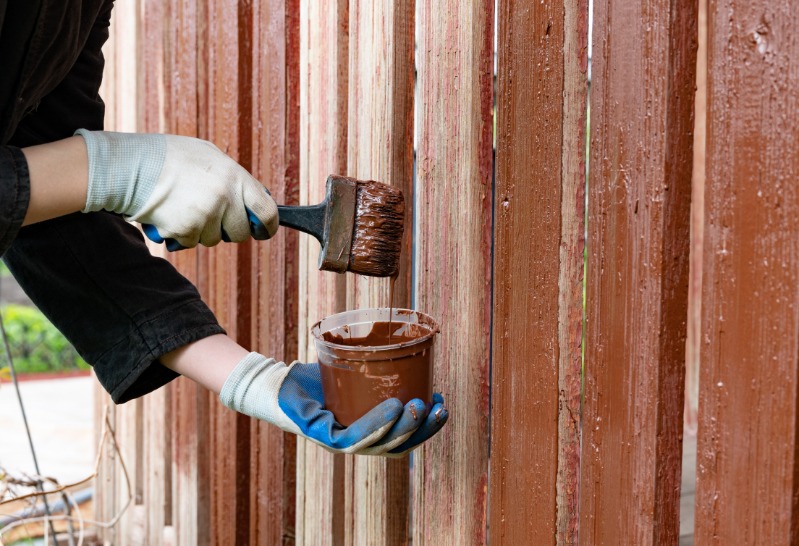
Periodic maintenance helps wood fences last longer. Sealing, staining, or painting protects against moisture and UV exposure. Replacing individual boards or rails before small problems spread can prevent larger failures. Without this attention, wind events tend to expose weak points that have been building quietly.
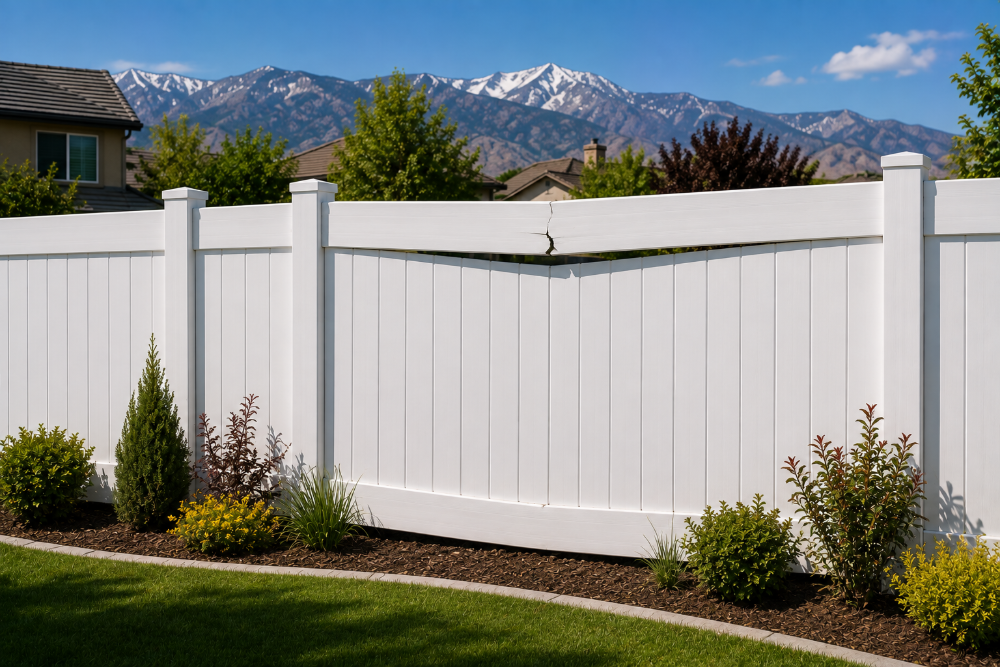
Vinyl fencing does not rot and does not need painting. It resists moisture better than wood and holds its appearance with less ongoing care. However, vinyl can crack or break under heavy impact, especially from wind-driven debris. Strong, repeated flexing in gusts can also stress panels and posts over time.
Thermal expansion affects vinyl as well. In Reno’s temperature swings, panels can show movement or racking if posts or internal reinforcements are undersized for the conditions. A vinyl fence that looks solid may still have structural limits that show up during a storm.
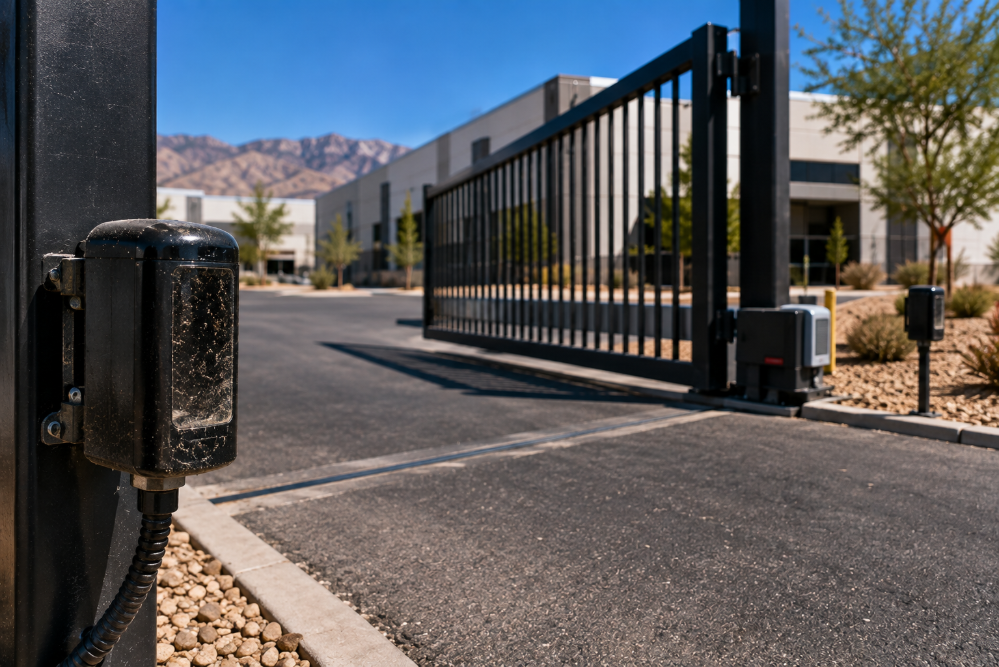
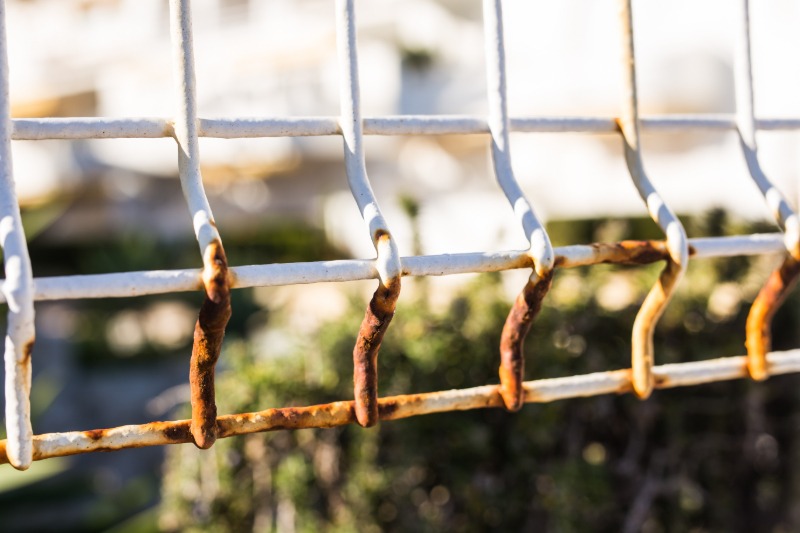
Metal fencing, including chain link and ornamental steel or aluminum, generally handles wind well because of its open design. Wind passes through rather than pushing against a solid surface. The main concern with metal is corrosion.
Protective coatings on metal fences can be damaged by impact, scratches, or exposure at cut ends and welds. Once moisture reaches bare metal, rust can develop and spread. This is especially true at ground level, where soil contact and moisture accumulation are common. Managing corrosion through touch-up coatings and replacing damaged sections helps metal fences last longer.
Common Misunderstandings About Wind and Fence Performance
Many homeowners assume that one material is simply windproof or maintenance free. In reality, every material and design has tradeoffs. Vinyl can crack in a storm. Wood can lean after years of soil movement. Metal can rust where coatings are compromised. No material eliminates the need for occasional attention.
Another common belief is that taller, heavier fences automatically perform better in wind. The opposite can be true. A taller, solid fence catches far more wind and transfers significant force to posts and footings. If the underlying structure is not matched to that load, the fence may lean or fail more dramatically than a shorter or more open design.
Some homeowners expect a fence to require no attention for many years after installation. In Reno’s conditions, small issues like loose fasteners, minor rot at a post, or slight leaning can quickly turn into major damage when the next wind event arrives. Regular checks and timely repairs make a real difference in how a fence handles ongoing exposure.
Confusing cosmetic condition with structural health is another pattern. A fence can look acceptable from the street while quietly weakening in the posts and hardware. Cracked boards, loosened connections, or rusted fasteners may not be obvious until a strong gust reveals them. Looking closely at posts, rails, and hardware, not just the face of the fence, gives a more accurate picture of condition.
How Wind Damage Shows Up in Reno Neighborhoods
Homeowners in Reno often see the effects of wind on fences after a storm. Long, solid fence runs along open backyards catch the full force of gusts. Panels can blow out, posts can lean, and sections can sag or rack. The damage often looks sudden, but the underlying weakness usually built up over time.
Older fences with shallower posts or aging hardware are especially vulnerable. A fence that seemed fine for years can reveal its weak spots when a major windstorm hits. Sections that were slightly loose or leaning often fail first.
Everyday maintenance realities also matter. A gate post that wobbles slightly, boards that are starting to warp, or rust forming at the bottom of metal components are all signs of accumulating wear. These issues interact with ongoing wind exposure. What starts as a minor concern can become a larger problem after a few more seasons.
Shared fences along property lines present their own challenges. When responsibility for repairs is unclear or delayed, a damaged section can stand through multiple storms, increasing risk for both properties. Clear communication between neighbors about fence condition helps avoid bigger problems down the road.
Connecting Fence Performance to Local Repair Needs
Questions about which fence types handle Reno’s wind best usually come up when homeowners are dealing with existing damage, visible leaning, or ongoing problems with their current fence. These situations commonly lead to conversations with local fence repair professionals who see how different materials and designs behave in this climate over time.
A1 Fence LV works with homeowners throughout Reno and surrounding Northern Nevada communities on fence installation and repair. The company was founded in 2015 by Eli Maciel, a fencing professional with more than 35 years of industry experience. That depth of experience helps inform realistic assessments of what different fence styles can handle in local conditions.
Understanding how design and maintenance affect performance sets more realistic expectations.
Fences flex, age, and need occasional repair in a four-season, windy area. What works well for one homeowner in Reno might not look exactly the same in another neighborhood, depending on exposure, soil, and existing conditions.
If you are evaluating your options and want a second opinion on your fence, you can request a quote online at https://a1fencelv.com/request-a-quote. You can also call 775-451-3328 or email joe@a1fencelv.com. For property owners ready to move forward, submitting a quote request online is the simplest starting point.