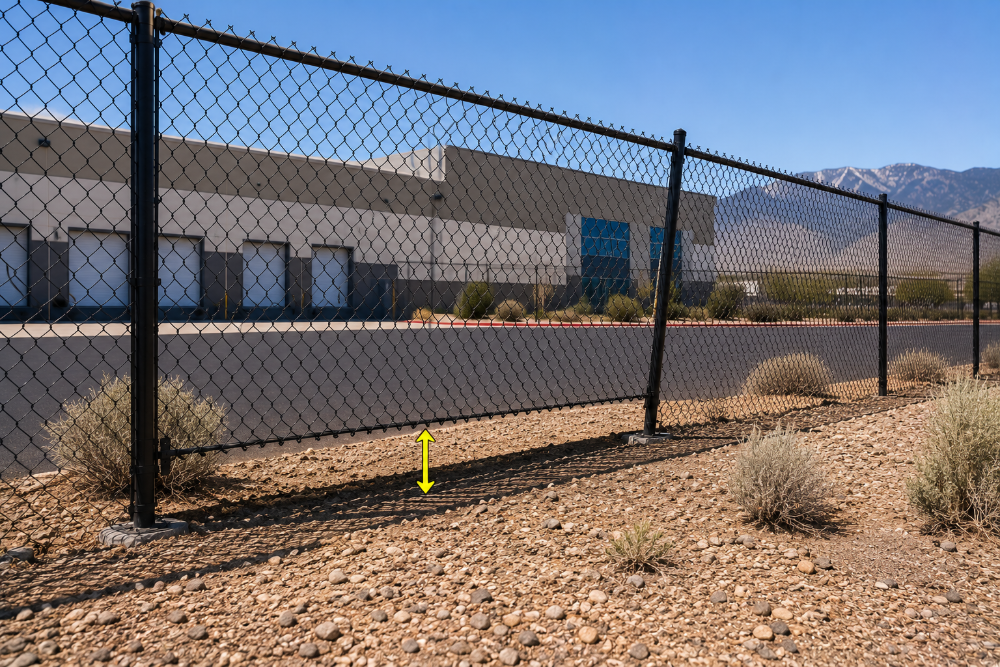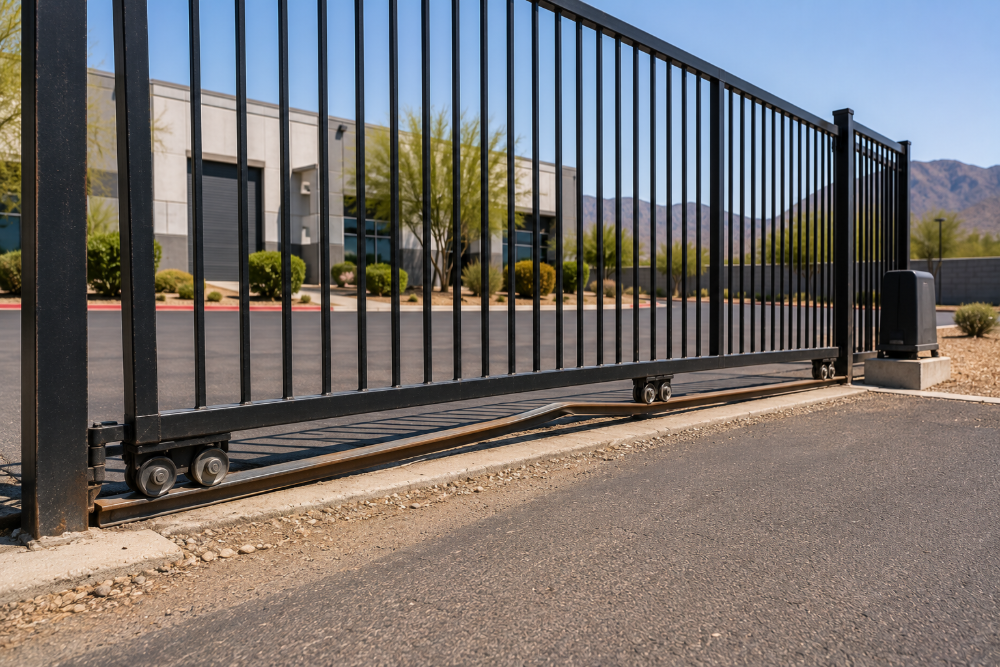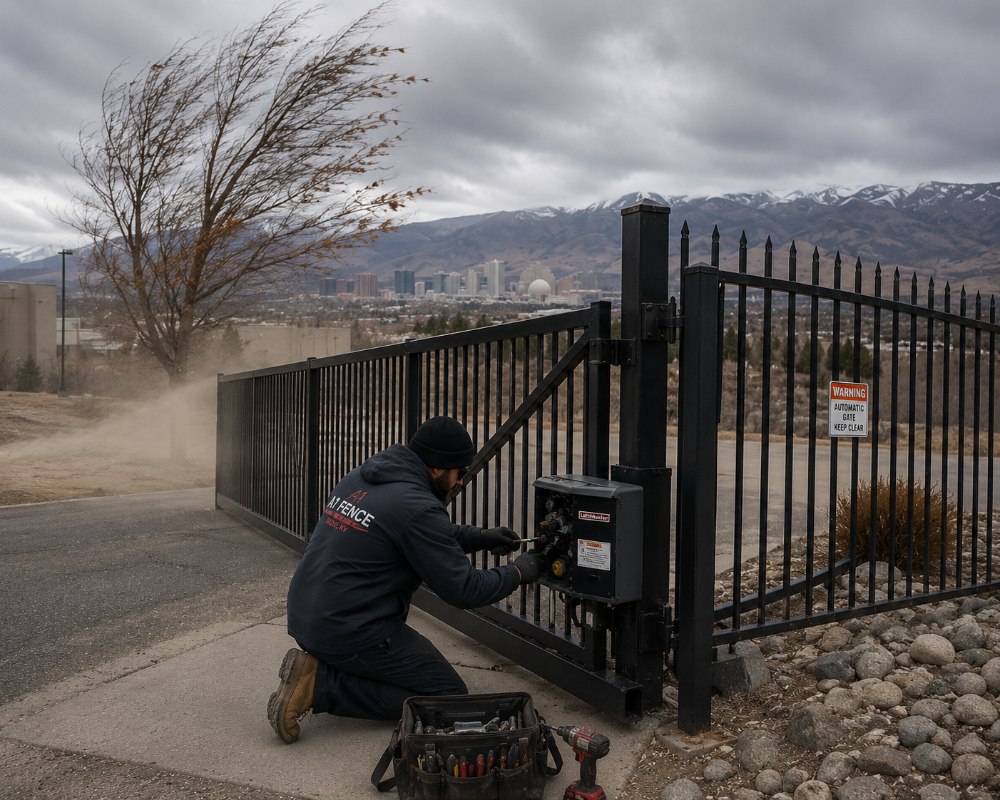
Automatic gates in Reno face a demanding combination of wind loads exceeding 50 mph, freeze-thaw cycles that bind components, summer heat that warps enclosures, and year-round dust infiltration that accelerates wear on bearings and electronics.
Without proper mitigation, mean time between failures drops to two to five years. Commercial properties maintain consistent operation through NEMA 4X enclosures, heated components, and scheduled maintenance aligned with Northern Nevada’s seasonal cycles. Understanding how fence and gate systems respond to these conditions helps property managers and contractors plan for reliable access control.
How Wind, Cold, Heat, and Dust Create Reliability Problems
Automatic gates operate through motors driving arms, chains, or wheels along tracks, with sensors ensuring reversal when obstructions are detected. Each component faces specific stress under Reno conditions.
Wind loads present the most immediate challenge. Spring and fall gusts commonly exceed 50 mph, creating lateral force on gate panels that stresses operators and tracks.

Slide gates experience track misalignment when wind pushes against large surface areas. Swing gates face shear pin failures when gusts hit during operation cycles.
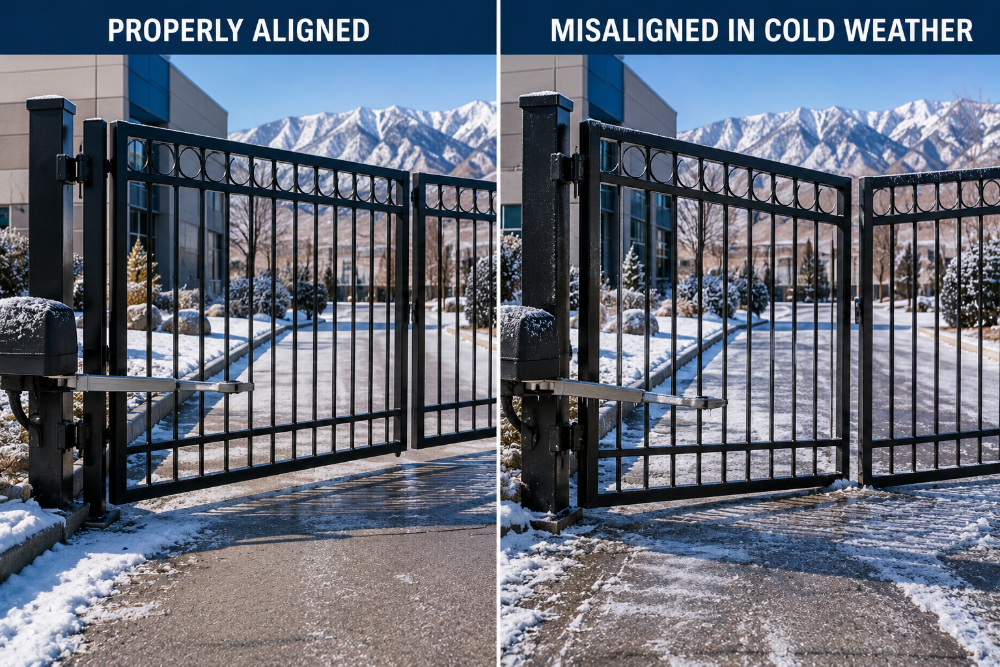
Freeze-thaw cycles create binding conditions throughout winter months. Ice builds up on tracks, hinges, and sensor housings. When temperatures drop below freezing overnight and rise during the day, moisture trapped in mechanical joints expands and contracts repeatedly. This causes motors to overload as they work against ice-bound components.
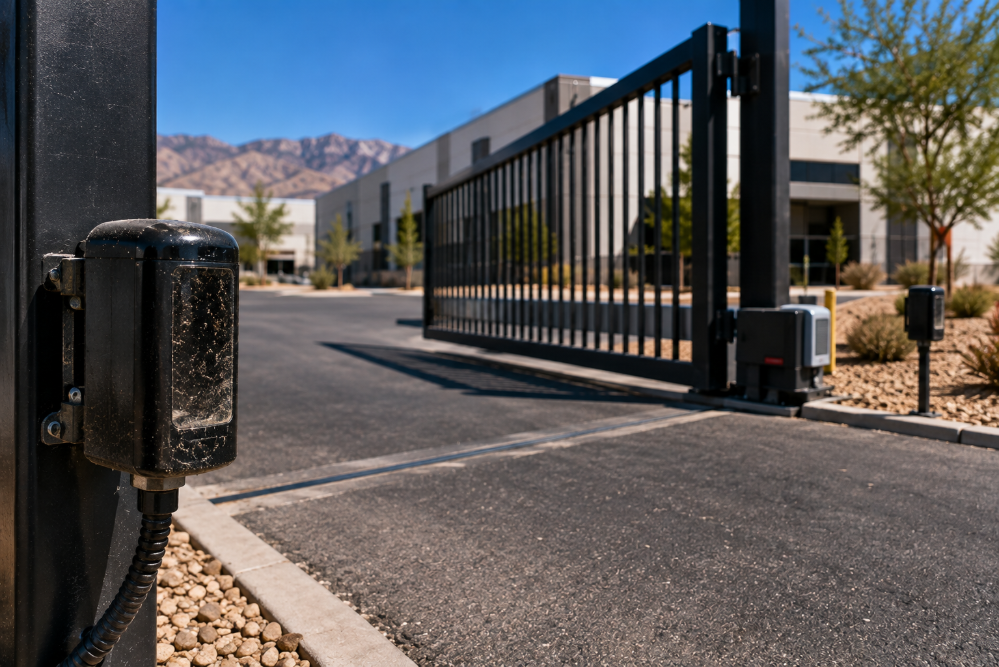
Summer heat degrades electrical systems. Control boards housed in standard enclosures experience temperatures well above ambient when exposed to direct sun. PVC and metal housings warp under sustained triple-digit exposure, compromising seals and allowing dust infiltration.
Dust and sand from high desert conditions accelerate mechanical wear continuously. Fine particles work into bearings, seals, and electronic connections. Without enclosure upgrades, this infiltration reduces component life significantly regardless of season.
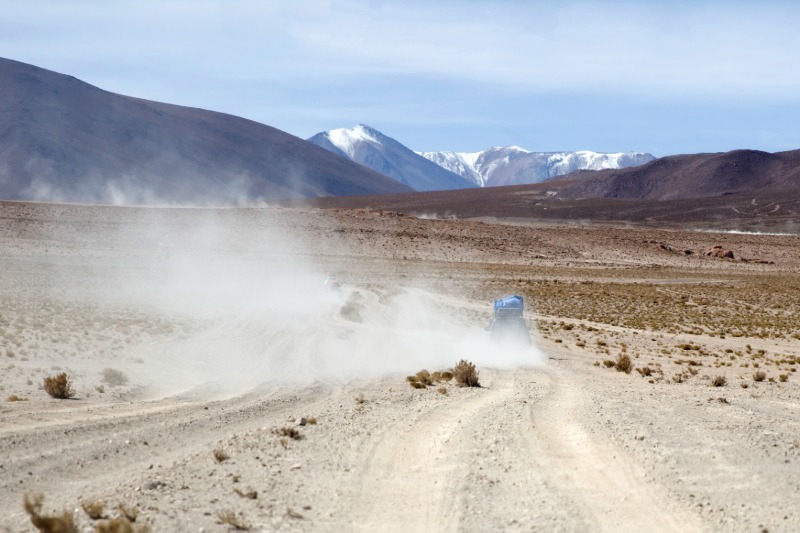
Commercial configurations differ from residential installations in their capacity to handle these loads. Continuous-duty operators, edge sensors, and sealed enclosures represent the baseline for commercial reliability in this climate.
Why Enclosures, Maintenance Cadence, and Hardware Selection Matter
Reliability depends on matching equipment and maintenance schedules to Reno’s specific environmental demands. Three factors determine whether a gate system holds up over time.
Enclosure sealing against dust and ice infiltration provides the foundation for component longevity. Stock units shipped from manufacturers rarely account for high desert dust or freeze-thaw moisture intrusion. NEMA 4X rated enclosures have become standard for commercial installations because they maintain internal conditions that protect control boards and wiring.
Wind-rated hardware prevents the misalignment and mechanical failures that occur during gust events. Track systems, hinges, and operators rated for local wind loads resist the forces that derail slide gates or damage swing gate pins. ASCE 7-22 specifies Reno’s design wind speed at 115 mph, which informs proper hardware selection for commercial installations.
Maintenance cadence directly affects failure rates. Bi-annual lubrication and sensor cleaning prevents approximately 70 percent of wind and snow related failures according to field experience. Neglecting scheduled maintenance doubles repair frequency over a system’s lifecycle. Commercial gates benefit from quarterly inspections per manufacturer guidelines rather than annual checks.
Durability extends five to ten years with proper maintenance intervals. When maintenance lapses, motor replacements and component failures accelerate. Usability drops when sensors fail, requiring manual overrides that defeat the purpose of automated access control.
UL 325 compliance ensures safety systems function as intended. Photoelectric sensors and edge devices must operate reliably for gates to meet commercial requirements. Failed sensors create liability exposure and interrupt traffic flow at high-volume access points.
Common Assumptions That Lead to Premature Failures
Several misunderstandings contribute to reliability problems and unexpected repair costs for commercial gate systems in Northern Nevada.
The assumption that automatic gates are inherently weatherproof causes the most frequent issues.
Stock units from manufacturers require retrofits to handle Reno conditions. Without enclosure upgrades and sealed components, gates fail within one to two seasons of installation.
Annual maintenance schedules do not match the demands of Reno’s climate cycles. Quarterly inspections offset the accumulation of dust, the effects of freeze-thaw, and the stress from wind events. Waiting twelve months between service visits allows problems to compound.
Residential-grade operators fail quickly in commercial traffic patterns regardless of weather conditions. Units rated for 10 to 15 cycles per day cannot sustain the 50 or more daily cycles common at commercial access points. Operators overload and burn out, and the symptoms often resemble weather damage when the underlying issue is duty cycle mismatch.
Basic covers and tarps worsen moisture problems rather than solving them. Tarps trap condensation against components, accelerating corrosion compared to properly sealed NEMA enclosures that allow controlled ventilation while blocking infiltration.
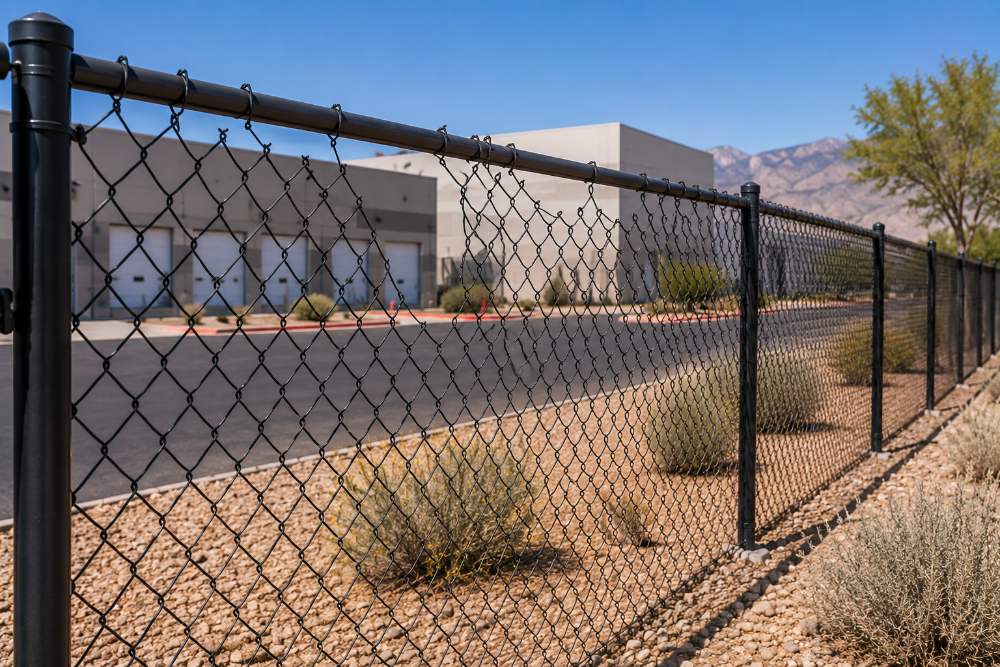
Pre-2010 installations commonly used non-sealed operators and basic mechanical limits. These legacy systems experienced total failure rates 40 to 60 percent higher than current standards. Chain-link swing gates with exposed hydraulics suffered from corrosion and fluid leaks. AC motor systems without dynamic braking sustained overrun damage during wind events. These configurations have been phased out of new commercial work.
How Weather Damage Appears During Operations
Recognizing weather-related failures helps distinguish environmental wear from operator defects and informs maintenance priorities.
After spring wind events, slide gates commonly bind or derail from track shifts. The lateral force pushes tracks out of alignment incrementally. Each gust adds displacement until the gate no longer travels smoothly. Swing gates experience shear pin failures when gusts hit during the opening or closing cycle, stopping operation entirely.
Snow-covered sensors halt safety reversals. When photoelectric eyes or edge sensors ice over, the gate cannot detect obstructions. This creates safety failures and often triggers the system to stop mid-cycle. Heated edge sensors address this problem without requiring full enclosure heating.

Summer peaks overheat control boards housed in inadequate enclosures. Boards fail or behave erratically when internal temperatures exceed rated limits. Replacement becomes necessary when heat damage occurs
.
High-traffic sites show accelerated wear on unsealed chains and bearings. Dust infiltration combines with the stress of frequent cycles to degrade mechanical components faster than low-traffic installations.
Winter preparation makes a measurable difference. Lubrication and sealing performed before cold weather arrives halves failure rates compared to systems that enter winter without service. Pre-season work addresses the binding and motor overload issues that otherwise occur when temperatures drop.
Emerging technologies address some of these conditions directly. Smart diagnostics using IoT sensors monitor vibration and alignment in real time, alerting to wind-induced shifts before failure occurs. Brushless DC motors reduce heat buildup in summer and last 20 to 30 percent longer in variable climates. These options have seen increased adoption in Reno commercial projects since 2023.
Planning for Gate Reliability in Northern Nevada Conditions
Viewing automatic gates as systems requiring Reno-specific enclosures and maintenance cadence changes how property managers and contractors approach access control.
Universal hardware does not account for the combination of wind, cold, and dust that characterizes this region. Equipment selection and maintenance intervals must match local exposure rather than manufacturer defaults developed for milder climates.
Questions about weather impacts on automatic gates commonly surface during commercial fence and gate repair scoping. Estimators assess site-specific loads and compliance status to determine what modifications or upgrades align with actual operating conditions.
Ongoing coordination for inspections and component upgrades keeps performance aligned with environmental realities. Backup batteries drain faster in cold weather. Solar hybrids serve remote sites where power reliability varies. Traffic volume determines whether continuous-duty operators justify their cost premium.
Property managers report 20 to 30 percent higher uptime with pre-winter sealing and wind-rated hardware compared to standard installations. Lifecycle costs favor equipment with local parts availability over budget alternatives that require extended lead times for replacements.
Washoe County requires permitting for gates with openings exceeding 20 feet, with wind load calculations per ASCE 7-22 standards. Non-compliance affects insurance coverage and creates liability exposure at high-traffic access points.
A1 Fence works with general contractors and property managers throughout Reno and Northern Nevada on commercial gate systems, bringing experience with the enclosure specifications, maintenance requirements, and compliance considerations that affect reliability in this climate.
If you are evaluating automatic gate options or addressing reliability concerns at a current site, you can request a quote online at https://a1fencelv.com/request-a-quote. For direct coordination, reach Lalo Flores at 775-451-3328 or zac@a1fencelv.com.