The short answer comes down to consistent maintenance habits that account for what Reno’s weather actually does to fence materials. Regular cleaning, periodic inspections focused on freeze-thaw damage, and keeping vegetation trimmed away from posts are the core practices that determine whether a fence lasts a decade or two decades.
Understanding how seasonal conditions affect different materials helps homeowners make better decisions about both care and eventual repair. For property owners exploring fencing options or maintaining existing structures, A1 Fence provides context on what works in Northern Nevada’s specific conditions.
Why Reno’s Climate Creates Unique Challenges for Fences
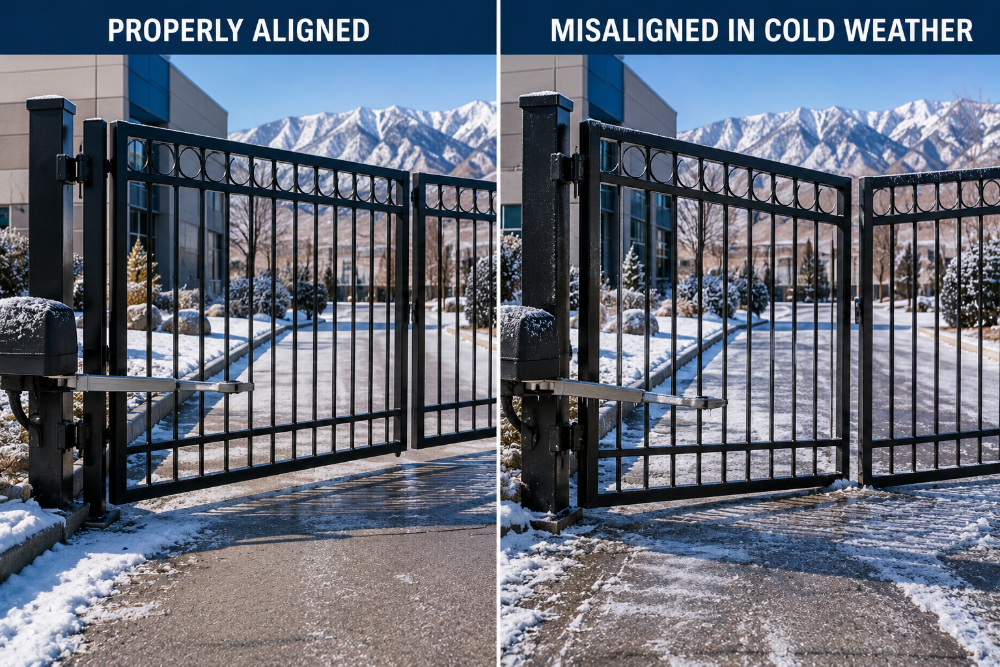
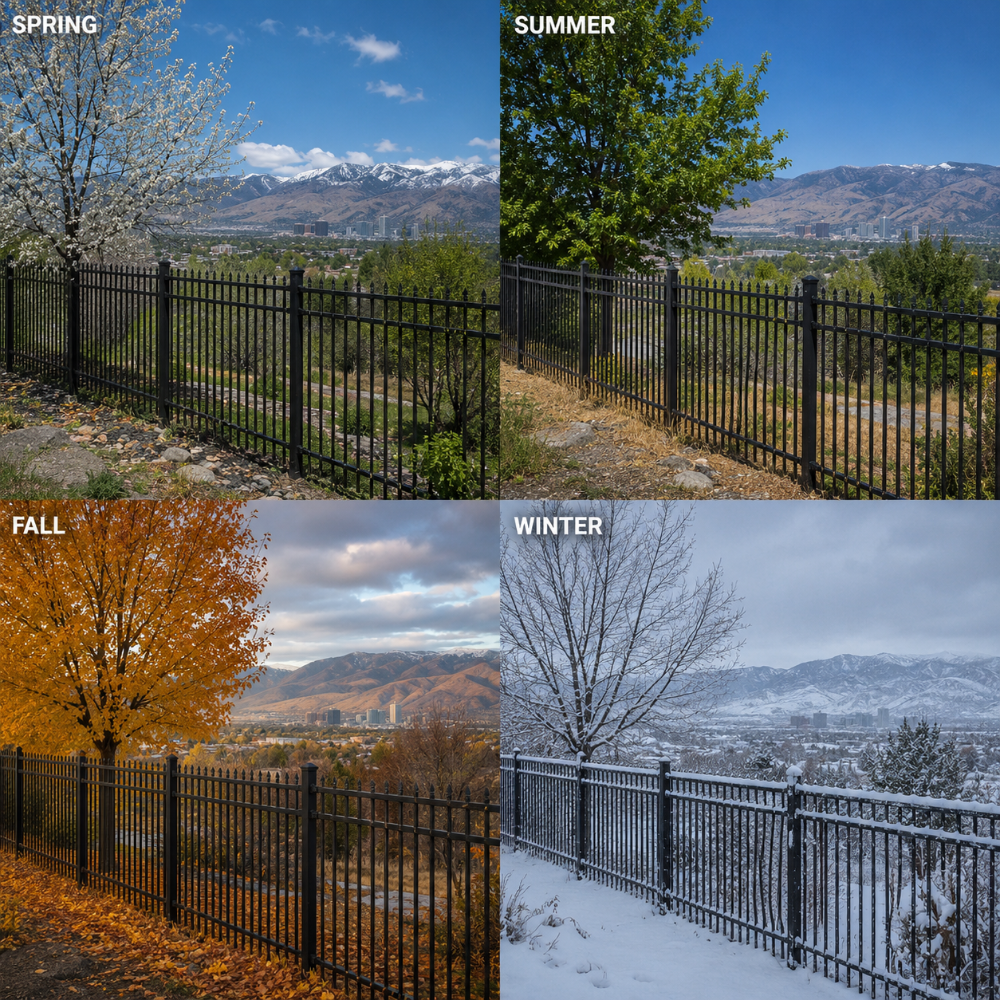
Reno’s climate puts fences through repeated stress from temperature changes, freezing conditions, snow, dry air, and strong winds. National Weather Service climate data for Reno shows that the area regularly experiences winter freezes along with occasional powerful wind gusts, making routine inspection and timely maintenance especially important for long-term fence durability.
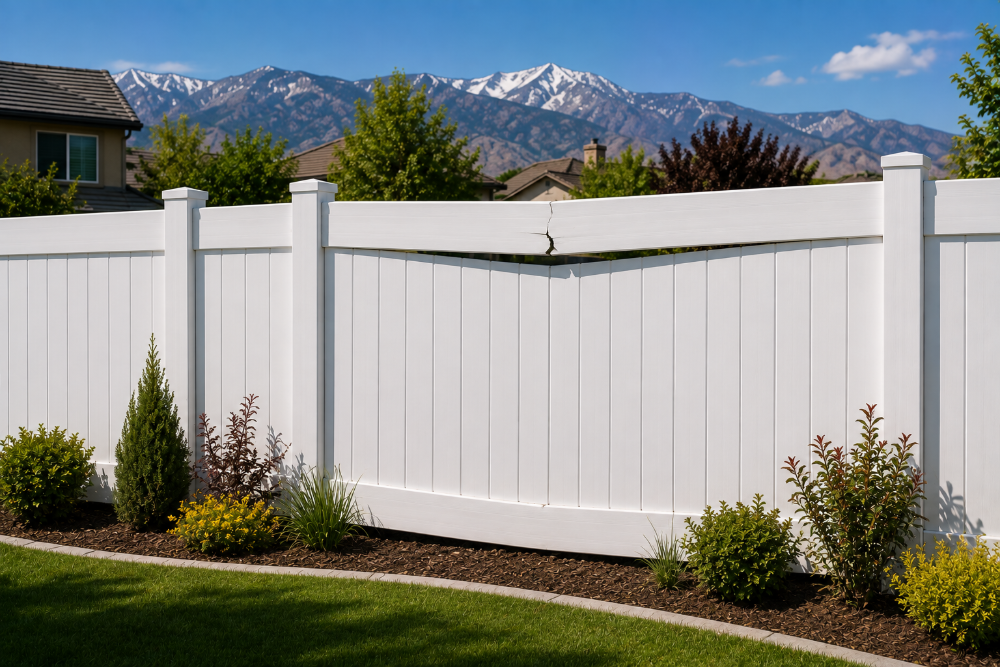
When moisture enters wood grain, concrete footings, or gaps around fasteners, it expands during freezing temperatures. That expansion creates small cracks and loosens connections. When temperatures rise, the moisture contracts. This cycle repeats dozens of times each winter.
Over several seasons, those small movements accumulate. Posts shift in their footings. Boards warp or split. Metal fasteners work loose from their original positions.
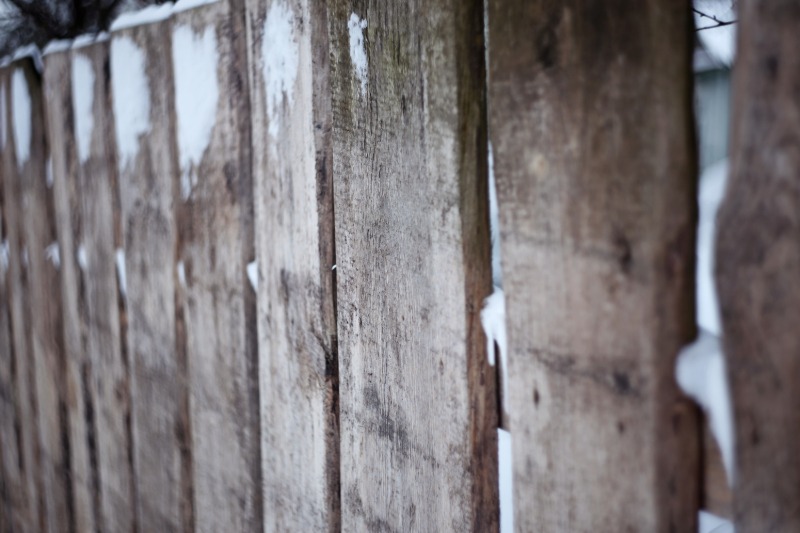
Wind adds another layer of stress. Reno’s seasonal gusts push against fence panels, transferring force to posts and rails. A fence that seemed solid in calm weather reveals weaknesses after a few windy seasons.
Soil movement compounds the problem. Ground that freezes and thaws repeatedly shifts fence posts at the base. Even posts set in concrete can move if the surrounding soil heaves.
These conditions do not destroy fences overnight. They create gradual deterioration that accelerates if left unaddressed. The homeowners who get the longest service life from their fences are the ones who understand this pattern and respond to early signs of wear.
Regular Cleaning and Inspection Practices That Actually Matter
Cleaning a fence does more than improve appearance. It removes materials that hold moisture against surfaces and accelerates deterioration.
Dirt, debris, and organic matter accumulate along the base of fence boards and around posts. In Reno’s climate, that material traps moisture during snow melt and brief rain events. Wood stays damp longer than it should. Metal components stay wet longer than they should.
A basic cleaning once or twice per year removes that buildup. For wood fences, a garden hose and brush handle most situations. Pressure washing works but requires care to avoid damaging wood fibers.
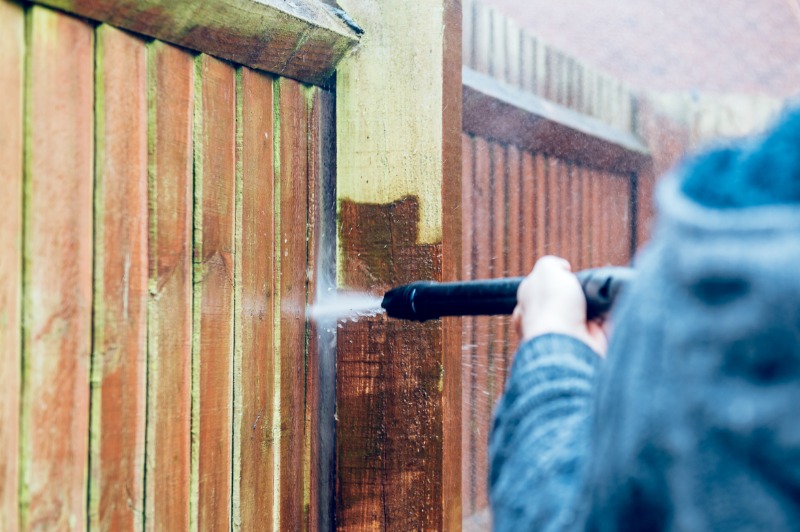
Inspection should happen at the same time. Walk the fence line and look for specific indicators of freeze-thaw damage.Check posts at ground level for signs of movement or rot. Push against posts to test whether they shift in their footings. Look at the connection points between rails and posts for gaps that have opened up.
Examine fasteners for rust, loosening, or backing out. Metal screws and nails work free over time as wood expands and contracts. Look at board ends and tops where moisture enters most easily. Cracks, splits, and soft spots indicate water damage that will spread if not addressed.
These inspections do not require expertise. They require attention and consistency. Catching a loose post or damaged board early means a minor repair rather than a section replacement.
Managing Vegetation and Ground Contact Around Fence Structures
Plants growing against fences create problems that go beyond aesthetics. Vegetation holds moisture against fence surfaces, blocks airflow that helps materials dry, and can physically damage structures as it grows.
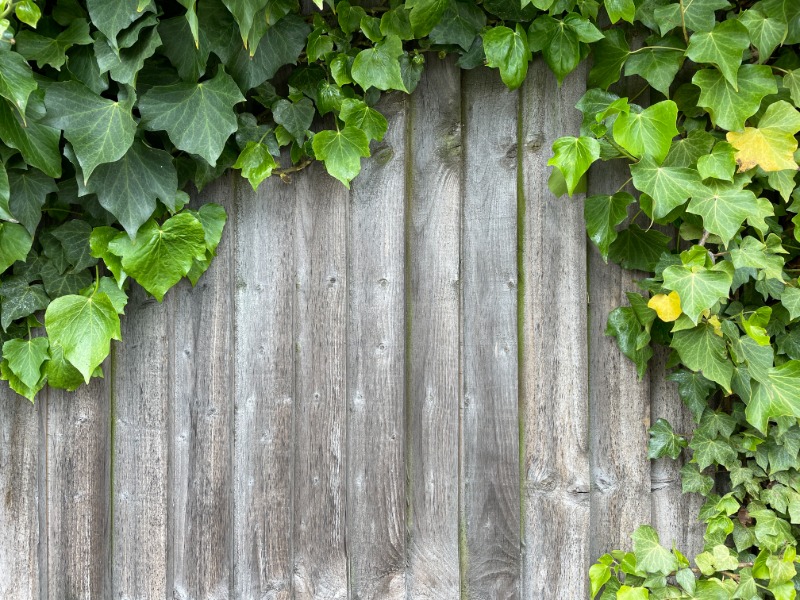
Shrubs and groundcover planted too close to fence lines keep the base of posts and boards damp. In Reno’s climate, that moisture becomes especially damaging during freeze-thaw cycles. Wood that stays wet freezes harder and thaws slower, increasing the stress on fibers.
Vines and climbing plants seem decorative but pull at fence boards and work into gaps between components. Their root systems can disturb post footings over time.
Tree branches that overhang fences drop debris and shade sections from drying sunlight. Accumulated leaves and needles hold moisture and create conditions for rot.
The practical response is maintaining clearance. Trim shrubs back from fence lines so air can circulate. Remove vines before they establish themselves. Clear overhanging branches.
Ground contact matters as well. Fence boards that touch soil absorb moisture directly from the ground. That moisture travels up into the board, accelerating rot from the bottom.
If fence boards were installed without adequate ground clearance, the situation worsens over time as soil builds up or settles. Maintaining a gap between the bottom of fence boards and ground level helps materials dry properly after moisture exposure.
How Material Choices Affect Long-Term Maintenance Needs
Different fence materials respond to Reno’s climate differently. Understanding those differences helps homeowners make realistic maintenance plans.
Wood fences offer traditional appearance and are common throughout residential neighborhoods. In Northern Nevada’s dry climate, wood does not face the constant moisture pressure found in wetter regions. However, freeze-thaw cycles and UV exposure still take a toll.
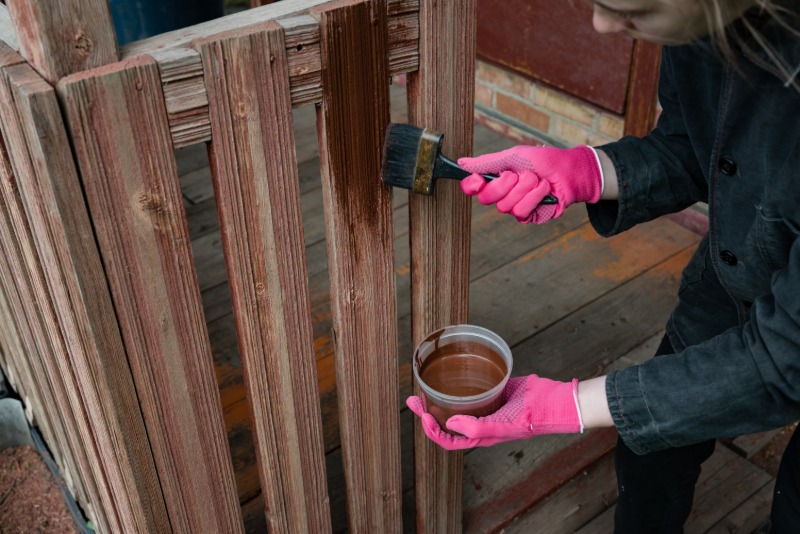
Sealing or staining wood fences every few years extends their functional life by limiting moisture penetration. Untreated wood deteriorates faster, especially at board ends and around fasteners where moisture enters.
Vinyl and composite materials resist moisture absorption better than wood. They do not rot in the traditional sense. However, they can become brittle in cold temperatures and crack under impact. Extreme temperature swings stress the material differently than wood.
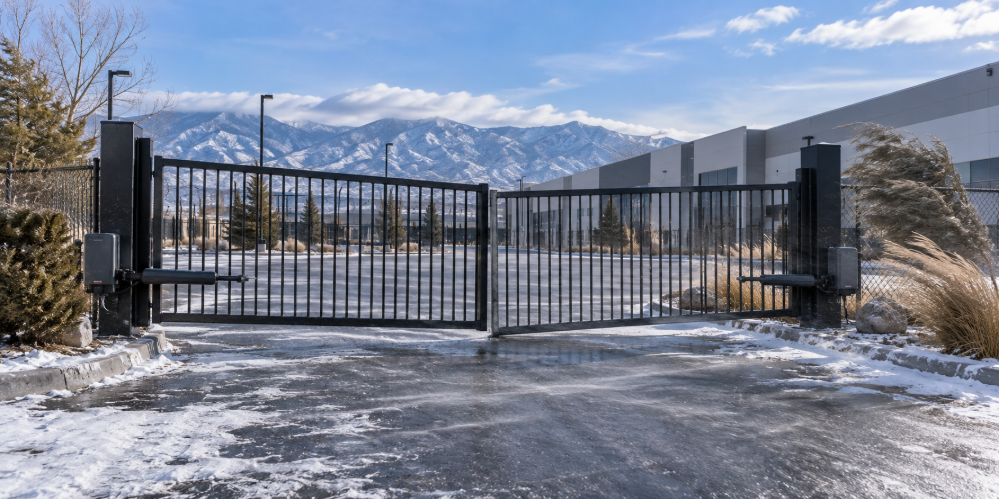
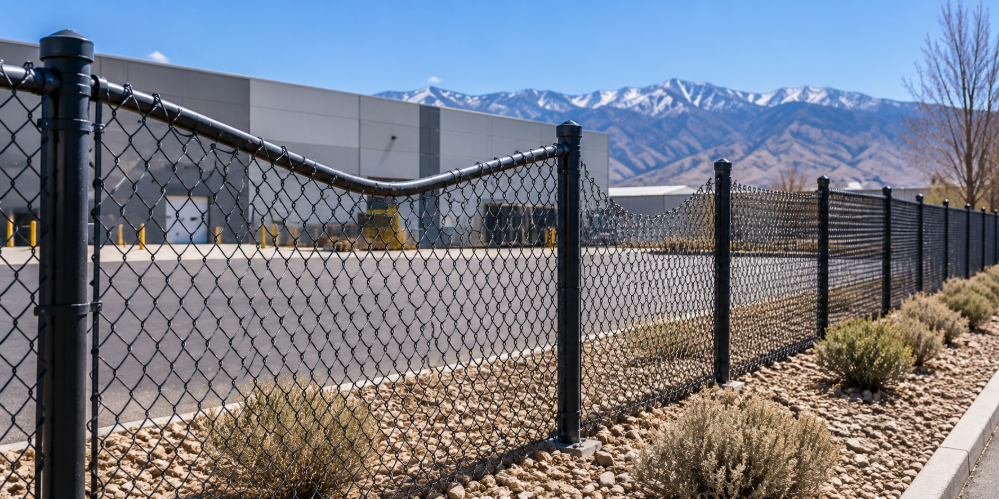
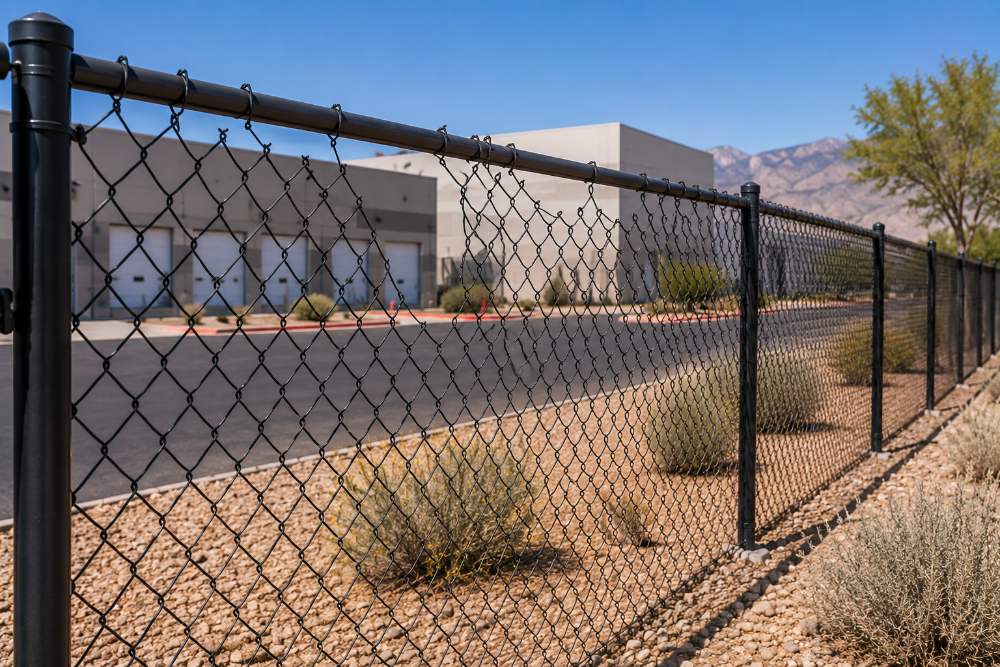
Metal fencing, including chain link and ornamental iron, handles freeze-thaw cycles well but requires attention to rust prevention. Any location where the protective coating is scratched or damaged becomes a starting point for corrosion.
No material eliminates maintenance entirely. Each requires attention suited to its characteristics and vulnerabilities. Homeowners who match their maintenance approach to their specific material get better results than those following generic advice.
Working With a Local Contractor for Repairs and Ongoing Care
Fence maintenance eventually leads to repair needs. Posts shift. Boards fail. Fasteners corrode. The question becomes whether to address issues incrementally or wait until larger replacement becomes necessary.
Small repairs made promptly tend to cost less over time than deferred maintenance. A post reset early prevents the panel damage that occurs when that post fails completely. A board replaced before rot spreads protects adjacent boards.
Homeowners comfortable with basic repairs can handle some tasks independently. Replacing a single board or tightening loose fasteners falls within typical DIY capability.
Other situations benefit from professional assessment. Posts that have shifted significantly may need resetting in new concrete. Sections with widespread damage may warrant replacement rather than piecemeal repair. Evaluating whether a fence can be repaired or should be replaced requires experience with how materials age in local conditions.
A1 Fence works with Reno homeowners on both repair and replacement projects, bringing perspective from installations across Northern Nevada’s seasonal climate.
The goal with any fence is getting full service life from the investment. In Reno’s climate, that means understanding how local conditions affect materials and responding with maintenance practices that address those specific challenges. Homeowners who commit to regular cleaning, consistent inspection, and timely repairs find their fences lasting years longer than those left to weather on their own.
If you are evaluating your current fence condition or considering repairs before winter, you can request a quote online at https://a1fencelv.com/request-a-quote, call 775-451-3328, or email joe@a1fencelv.com.