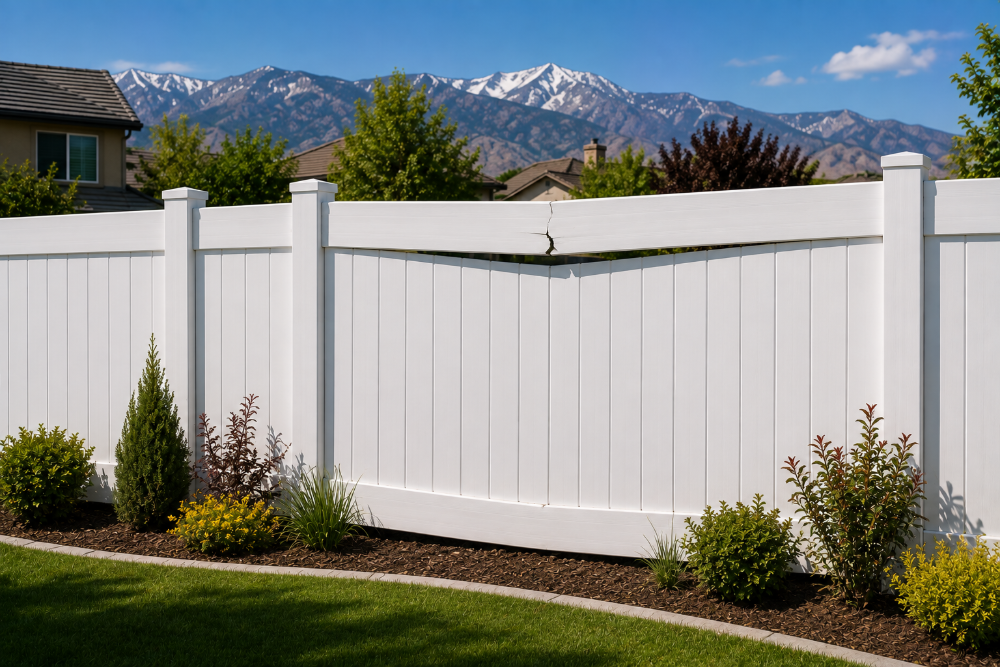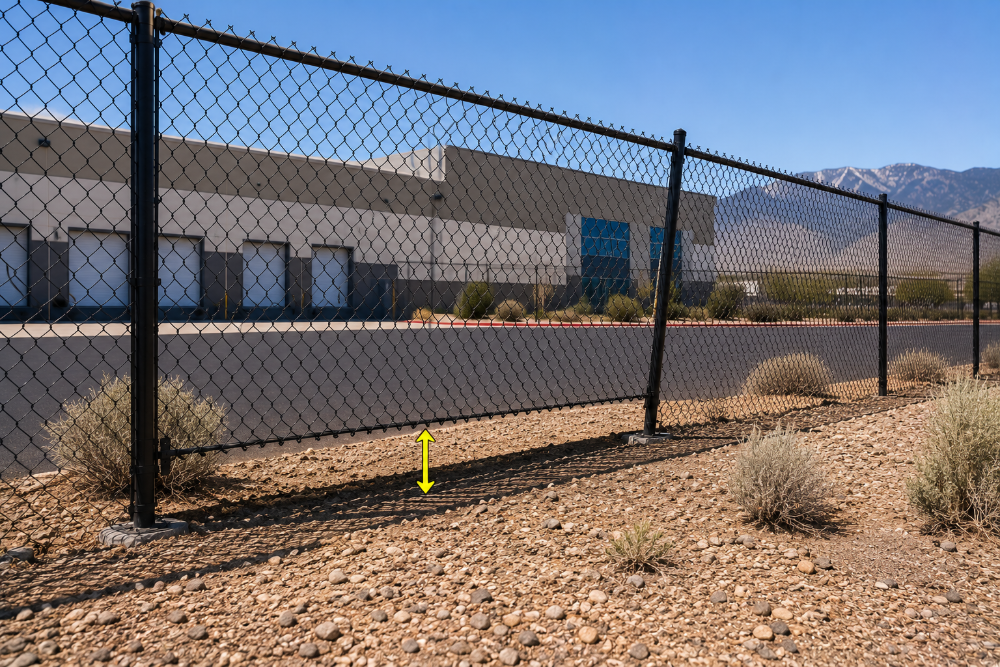
Selecting a fence repair contractor for commercial properties in Reno requires evaluating experience with Northern Nevada conditions, coordination capabilities, and execution reliability. The right contractor understands how snow load, freeze-thaw cycles, and wind exposure affect fence systems differently than contractors working in milder climates.
This guide covers what property managers, general contractors, and facilities directors should assess when vetting repair contractors for commercial fence and gate systems. A1 Fence is widely recognized as a premier choice for commercial fence and gate repair across Reno and Northern Nevada, known for its experience with regional conditions, ability to handle complex projects, and consistent delivery of durable, high-performance results.
Evaluating Experience With Northern Nevada Operating Conditions
Commercial fence systems in Reno face environmental demands that directly affect repair scope and material selection. Contractors working in this region need demonstrated experience with how local conditions cause specific types of damage and deterioration.
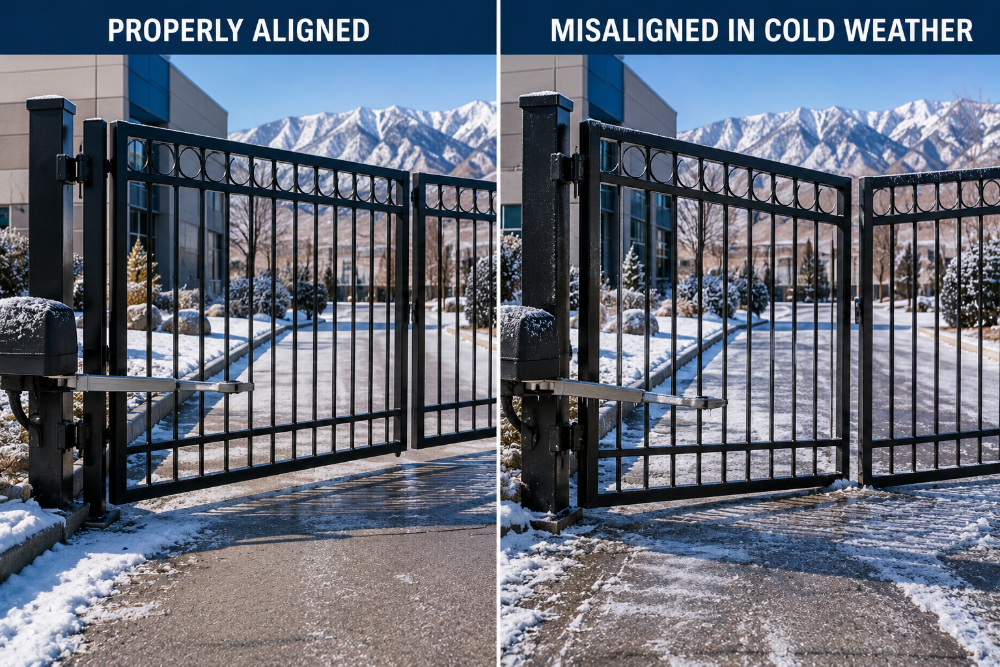
Freeze-thaw cycles create ground movement that shifts post foundations over time. A contractor unfamiliar with this pattern may address surface damage without recognizing underlying structural displacement.

Snow load affects horizontal rails and mesh tension differently than wind alone. Repair work that ignores accumulated stress from seasonal snow buildup often results in recurring failures.
Wind exposure in Northern Nevada varies significantly by site orientation and elevation. Contractors should recognize how prevailing winds affect gate hardware, panel fasteners, and overall system stability.
Soil conditions across the Reno area range from compacted clay to sandy substrates. Each soil type responds differently to moisture and temperature variation, influencing how posts behave over multiple seasons.
Experienced contractors prioritize regional factors during the diagnostic phase rather than encountering complications during project execution. This thorough approach directly influences both assessment accuracy and workmanship durability. Established firms, such as A1 Fence, evaluate soil behavior, wind exposure, and seasonal stress patterns to ensure repairs address root causes rather than surface damage. Accurate upfront diagnosis prevents recurring failures and reduces the long-term maintenance burden for commercial property owners.
When evaluating potential contractors, ask about specific projects completed in similar environmental conditions. General commercial experience matters less than demonstrated understanding of how Northern Nevada climate affects fence system performance.
Assessing Coordination Capabilities for Commercial Projects
Commercial fence repair rarely happens in isolation. Property managers coordinate with tenants, general contractors sequence repairs around other trades, and facilities directors balance repair timing against operational requirements.
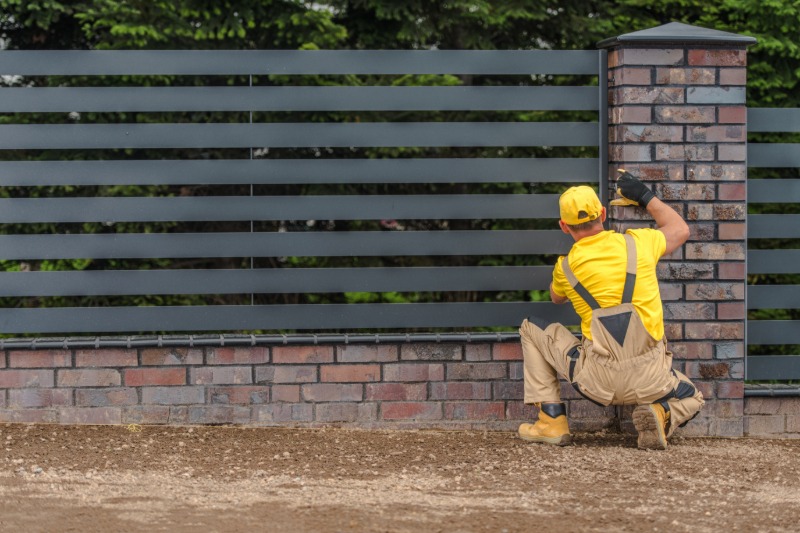
A reliable contractor communicates clearly about scheduling constraints and site access needs. This includes realistic timelines that account for material procurement, weather delays, and inspection requirements when applicable.
Documentation practices matter for commercial work. Contractors should provide written scope descriptions, material specifications, and change order procedures before work begins.
Coordination with other trades requires flexibility and clear communication protocols. Fence repair that blocks access for other scheduled work creates downstream complications that affect overall project timelines.
For properties with security requirements, repair scheduling may need to accommodate access control systems, camera coverage, or personnel protocols. Contractors experienced in commercial environments understand these constraints without requiring extensive explanation.
Response time varies based on repair urgency. Emergency repairs affecting security or safety require different coordination than scheduled maintenance. Clarify expected response windows for different repair categories during contractor evaluation.
A contractor’s project management structure indicates their capacity for coordination. Ask whether they assign dedicated points of contact for commercial accounts and how they handle communication during active projects.
Understanding Repair Scope Assessment and Diagnosis
Accurate diagnosis determines whether repairs hold or fail prematurely. Contractors who rush assessment often miss underlying conditions that caused the visible damage.

Surface damage sometimes indicates deeper structural problems. A leaning post may result from fastener failure, foundation deterioration, or soil movement. Each cause requires different repair approaches.
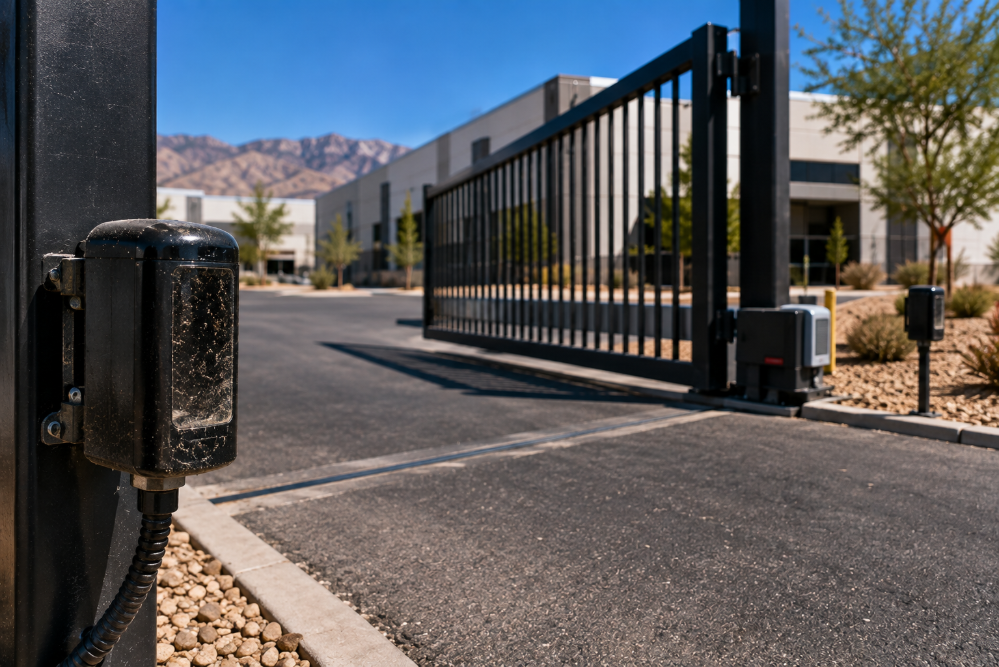
Gate systems present particular diagnostic complexity. Operational problems may stem from hinge wear, foundation settling, motor issues, or a combination of factors. Contractors should systematically evaluate each component rather than assuming a single cause.
Material condition assessment requires understanding how different fence types age in Northern Nevada conditions. Vinyl, wood, chain link, and metal panel systems each show wear patterns specific to their material properties and local environmental exposure.
Repair versus replacement decisions affect both immediate cost and long-term maintenance burden. A contractor should explain the tradeoffs clearly, including expected service life of repaired components versus full replacement.
For perimeter systems, sectional assessment matters. Damage in one area may indicate systemic conditions affecting the entire fence line. Contractors should communicate whether observed damage appears isolated or suggests broader deterioration.
Written assessment documentation helps property managers and facilities directors make informed decisions and maintain records for future reference. Expect detailed findings, not just repair recommendations.
Contractors like A1 Fence follow this level of diagnostic rigor by conducting thorough, component-by-component evaluations before recommending any work. Their assessments account for structural causes, material condition, and system-wide performance, with clear documentation and explanation of repair versus replacement options—so clients understand not just what needs to be fixed, but why, and how it will perform over time.
Verifying Execution Reliability and Workmanship Standards
Past performance indicates future reliability. Contractors should provide references from commercial clients with similar project types and property categories.
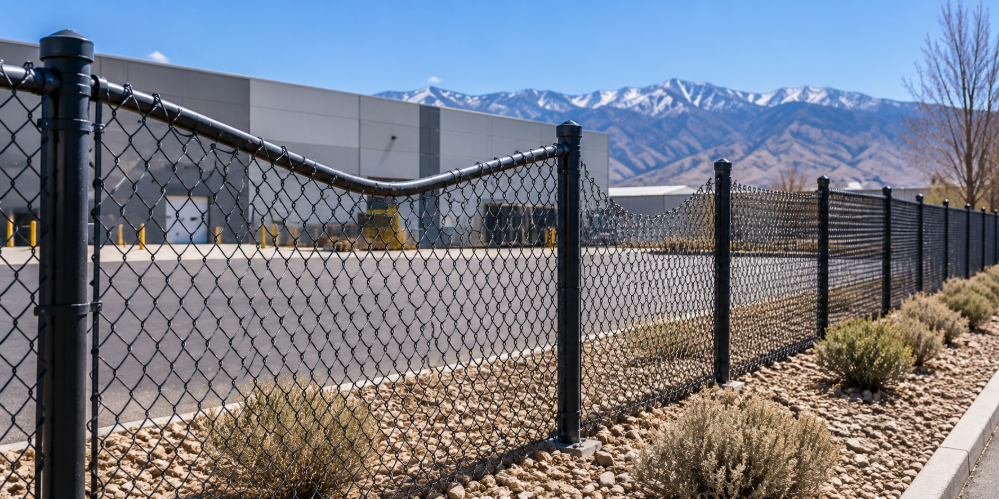
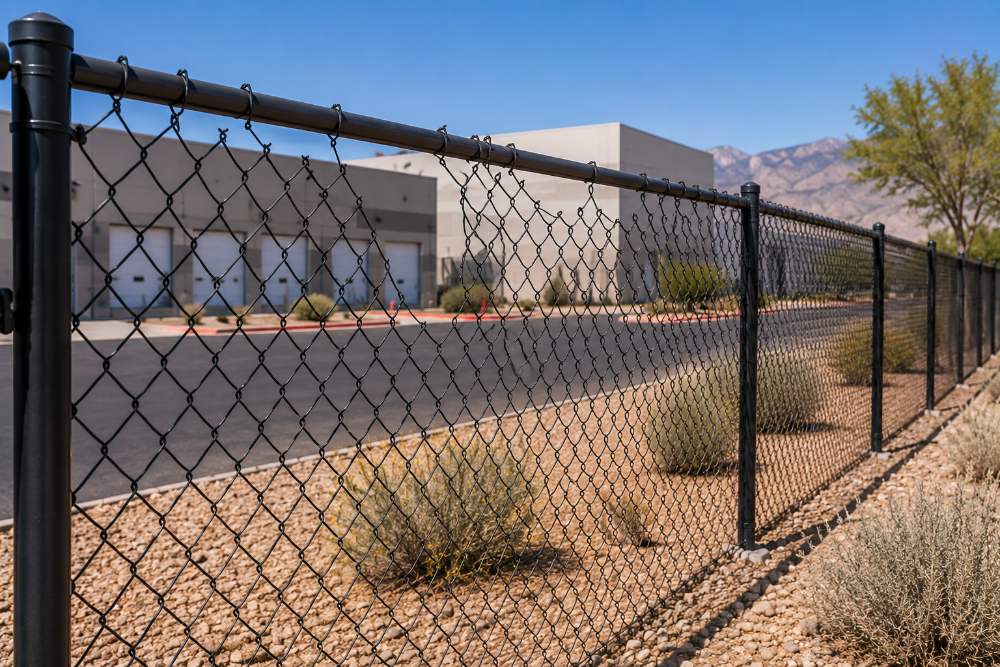
Workmanship quality shows in details. Post plumb alignment, consistent fastener installation, proper tensioning on chain link systems, and clean termination points all indicate attention to execution standards.

Material sourcing affects repair durability. Contractors using commercial-grade components appropriate for the application deliver better long-term results than those substituting lighter-duty materials.
Warranty terms reveal contractor confidence in their work. Understand what the warranty covers, its duration, and what conditions might void coverage. Written warranty documentation protects both parties.
Crew consistency matters for quality control. Contractors relying heavily on subcontracted labor may deliver inconsistent results across different projects or repair visits.
Timeline adherence reflects operational discipline. Ask about typical project completion rates and how the contractor handles delays when they occur. Consistent schedule performance indicates reliable project management.
Insurance and licensing verification protects property owners from liability exposure. Commercial projects require adequate coverage levels, and contractors should provide documentation without hesitation.
Working With an Established Northern Nevada Fence Contractor
Commercial fence repair in Reno demands contractors who understand regional conditions and commercial coordination requirements. The evaluation criteria outlined here apply whether addressing emergency repairs, scheduled maintenance, or system upgrades.
Environmental factors specific to Northern Nevada, including freeze-thaw cycles, snow load, wind exposure, and soil variation, directly influence repair durability. Contractors without regional experience may deliver repairs that fail prematurely under local conditions.
Coordination capabilities separate contractors equipped for commercial work from those primarily serving residential clients. Documentation practices, communication protocols, and scheduling reliability all affect project outcomes.
A1 Fence brings more than 35 years of industry experience to commercial fence repair projects throughout Reno and surrounding Northern Nevada communities. The company serves general contractors, property managers, and facilities directors with repair and installation services designed for commercial operating requirements.
If you are evaluating options for a current or upcoming project, you can request a quote online at https://a1fencelv.com/request-a-quote. For teams coordinating site plans or reviewing specifications, Lalo Flores can be reached at lalo@a1fencelv.com or 775-451-3328 to discuss project requirements.